Panels, Handrails & Posts
We have a fantastic range of decking panels, handrails and posts to suit any garden project. Browse through our range and see which panels would suit your decking, or use our handrails, posts and spindles to make your own unique decking border!Home / Timber / Decking / Panels, Handrails and Posts / Page 2
Material
- Postcrete (1)
Size
- 100mm x 100mm (1)
- 1200 x 85 x 85mm (1)
- 1250 x 85 x 85mm (1)
- 1800 x 85 x 85mm (1)
- 900 x 42 x 42mm (2)
- 900 x 900mm (3)
- 125mm x 125mm (1)
- 2400 x 68 x 44mm (1)
- 3" (2)
- 4" (2)
Length
- 2400mm (1)
Width
Height
Thickness
Weight
- 20kg (1)
Accessory
- Post Cap (4)
Application
Finish
- Round Picket (1)
Price
-
Elite Round Picket Fence Panel
- 0% Interest Available*
- Great Quality & Quick Delivery
£57.60 Was£59.90£69.12 Was£71.88 -
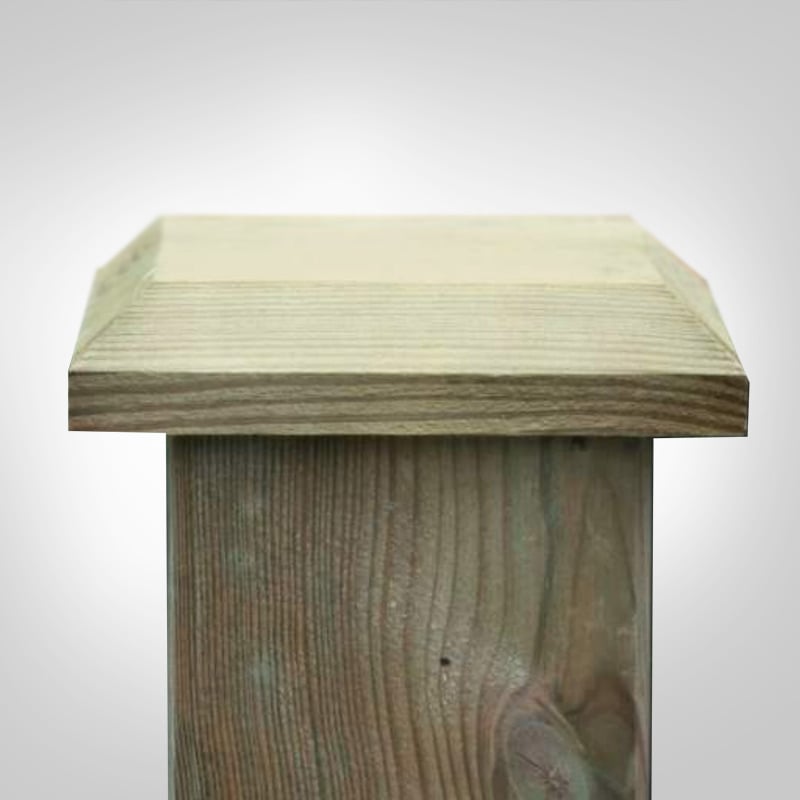
Post Cap – 100mm for 75mm Post
- 0% Interest Available*
- Great Quality & Quick Delivery
From £0.77 Was£0.80From £0.92 Was£0.96 -
Post Cap – 125mm for 100mm Post
- 0% Interest Available*
- Great Quality & Quick Delivery
From £1.12 Was£1.17From £1.34 Was£1.40 -
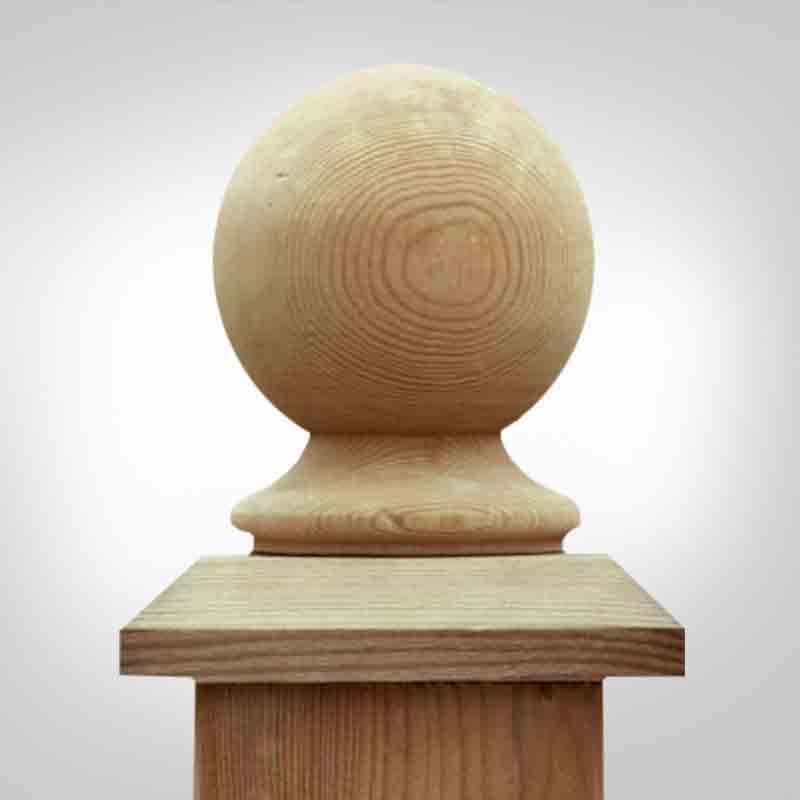
Finial Ball
- 0% Interest Available*
- Great Quality & Quick Delivery
From £5.70 Was£5.92From £6.84 Was£7.10 -
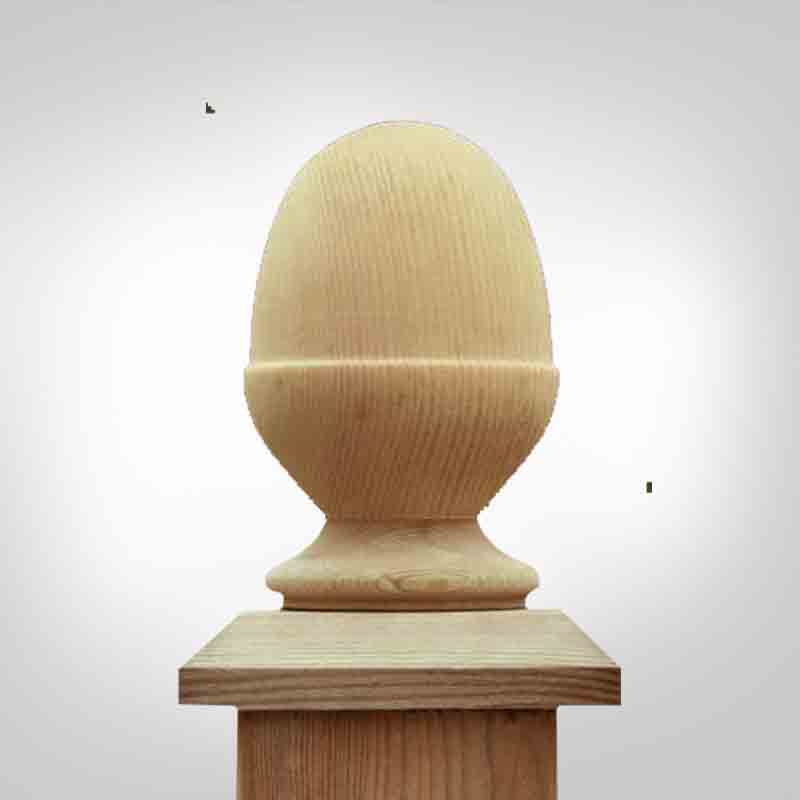
Finial Acorn
- 0% Interest Available*
- Great Quality & Quick Delivery
From £5.35 Was£5.56From £6.42 Was£6.67
Panels, Handrails & Posts
Add a decorative element to your decking with posts and rails. Our decking posts and rails help create a more defined area around your decking, a beautiful way to landscape your garden no matter what size you’re working with.
Choose decking balustrades and rails to keep children safe in a raised decking area. Installing panels means less chance of accidents if your decked space is higher than the rest of your garden spaces.
Frequently Asked Questions
What are the regulations for decking handrails in the UK?
Building Regulations require guarding on any deck where the drop to the ground is more than 600mm, and on a domestic deck the guarding must be at least 1100mm high, with no gap a 100mm sphere could pass through and nothing a small child could use as a ladder. On steps, a handrail between 900mm and 1000mm above the treads is required where there are more than two risers. Below a 600mm drop, a balustrade is a choice rather than a requirement, which is where most garden decks sit.
What should I use for a deck handrail?
Use pressure-treated, planed softwood components made for the job: 85 x 85mm newel posts, a grooved 68 x 44mm handrail used as both the top rail and the base rail, and 42 x 42mm spindles that sit in the grooves. Our decking handrail and fillet is rebated 42mm wide so the spindles drop straight in, and the fillet strip cuts into spacers to hold them apart. If you would rather not build a balustrade from parts, our 900mm high cross top decking border panels fit between the same newel posts and look the same from both sides.
How do you build decking handrails?
Fix the newel posts first, then fit the rails between them and drop the spindles in last. Bolt an 85 x 85mm newel post to the deck frame at each corner and at no more than 1.8m centres along the edge, which is the length a run of handrail and 12 spindles will fill. Cut the base rail to fit between the posts with the groove facing up and fix it with angle brackets or screws, cut the handrail to match with the groove facing down, then stand the spindles in the base rail groove with 100mm fillet spacers between them and lower the handrail over the top. Finish each post with a post cap or a finial ball or acorn to shed rain off the end grain.
Can I buy a handrail kit for decking steps?
Normally the parts are sold individually, which in practice gives you more flexibility on a flight of steps than a kit would. You need a newel post at the top and bottom of the flight, a length of handrail fixed between them at the angle of the steps, and spindles cut to length so each one sits between the sloping handrail and a base rail or the step treads.
How far apart should decking spindles be?
Set decking spindles no more than 100mm apart, which is the gap we recommend and the limit the regulations work to, since a 100mm sphere must not be able to pass through a balustrade. With our 42 x 42mm spindles that means 12 spindles for every 1.8m bay between newel posts.
Should I choose border panels or individual spindles for a deck balustrade?
Choose border panels for speed and a uniform look, and spindles for odd-sized bays, steps and a traditional balustrade. A cross top decking border panel is 1.8m wide and 900mm high, finished the same both sides, and fixes between newel posts in minutes with a matching gate available. A bay of spindles costs about the same once you add two lengths of handrail and 12 spindles, around £70 to £75 including VAT either way, but takes longer to build. Panels cannot be shortened without rebuilding the frame, so measure your bays before deciding.
How do you attach newel posts to decking?
Anchor each post directly to the framework rather than the deckboards. Position the newel flush against or notched into the outer joist, securing it with a pair of M10 coach bolts, one positioned high on the frame and one low, prior to laying your boards. Our modern newel post is available at a 1.2m length, providing roughly 900mm of clearance above the surface when 300mm is secured to the joists; a 1.8m option is also supplied for elevated installations, allowing the post to extend down into Postcrete alongside primary structural uprights.
Do I need a gate on raised decking?
Not by law but if the deck is more than 600mm off the ground, the opening for the steps has to be guarded like the rest of the edge, and a gate is a practical way to do that when children or dogs use the garden. Our cross top decking gate is 900 x 900mm to match the border panels and hangs from a newel post bolted to the frame, with a gate spring and auto catch if you want it to close itself. On a low deck under 600mm a gate is purely a choice, and most people leave the step opening clear.
Get the latest news & offers