Commercial Food Waste Bins
More than 1.3 billion tonnes of food waste is generated globally each year. Food production itself is one of the main contributors to environmental damage, so responsible management is essential for businesses and households.Home / Commercial Waste Bins / Commercial Food Waste Bins
Material
- Food Waste (2)
Capacity
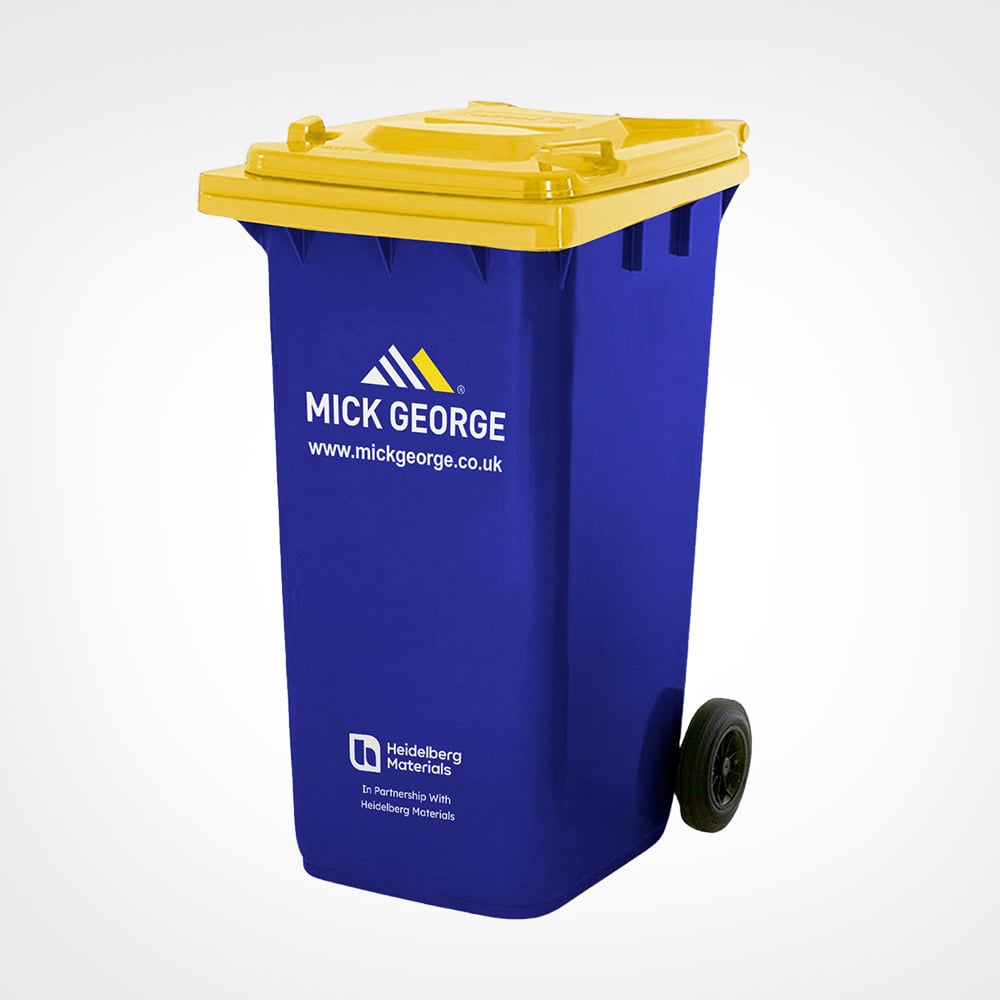
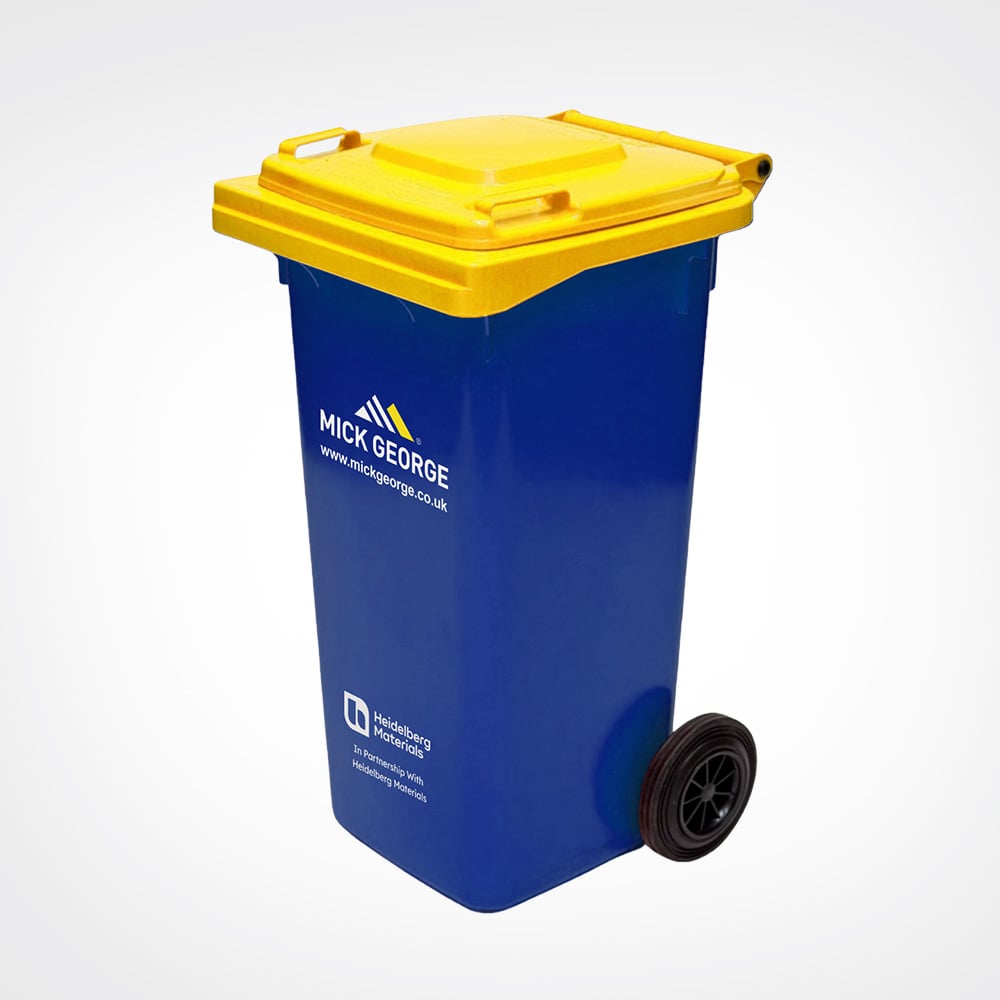
- 120 Litre (1)
- 240 Litres (1)
Price
What Is Food Waste?
Food waste refers to any edible or inedible food that’s lost, discarded, or left uneaten at any stage of the supply chain, from production and processing to retail and consumption.
This includes:
- By-products and offcuts from food production that can’t be used.
- Damaged goods during transport or handling that become unsellable.
- Uneaten meals from restaurants, shops, workplaces, or homes
While some waste is unavoidable, like fruit peels, eggshells, or tea bags, much of it can be prevented. Food often spoils due to poor storage, over-purchasing, or incorrect temperature control.
Businesses may overorder perishables that expire before use, and consumers frequently throw away leftovers or items past their “best before” date.
Who Needs Commercial Food Waste Disposal?
Nearly all businesses generate food waste, but it’s especially significant in catering, hospitality, and food production. Under the Simpler Recycling regulations, any organisation with 10 or more full-time employees must have a separate food waste collection and disposal system in place.
Common industries requiring commercial food waste disposal include:
- Bakeries
- Catering services
- Hotels
- Pubs and clubs
- Restaurants
- Takeaways
Implementing professional food waste collection helps businesses stay compliant, reduce landfill impact, and improve sustainability performance.
Where Does Food Waste Go?
Commercial food waste can be safely managed through several sustainable disposal methods, including composting, pump and vacuum systems, dewatering, and anaerobic digestion.
Each option helps reduce landfill use, lower emissions, and support greener operations.
- Composting
Food waste naturally breaks down into nutrient-rich compost that can be reused in agriculture. Businesses can use on-site composting bins or partner with commercial composting services for collection and processing. - Pump and Vacuum Systems
Ideal for commercial kitchens, these systems collect peelings, scraps, and leftovers via a vacuum line into a sealed tank, improving hygiene and waste handling efficiency. - Dewatering Systems
Dewatering grinds and separates solids from liquids, reducing the volume and weight of food waste. The process makes transport easier and allows the recovered water to be treated and reused. - Anaerobic Digestion
This method uses bacteria to break down organic waste in oxygen-free conditions, generating biogas for renewable energy and fertiliser for crop production.
What Are the Benefits of Recycling Commercial Food Waste?
Recycling commercial food waste offers major environmental and financial advantages for businesses. By diverting food waste from landfill, companies can reduce their carbon footprint, lower disposal costs, and contribute to a more sustainable future.
Proper commercial food waste management helps reduce landfill tax while generating renewable energy and organic fertiliser through anaerobic digestion. This transforms unavoidable waste into valuable resources that benefit both business operations and the planet.
Beyond cost savings, recycling food waste supports legal compliance and strengthens a company’s green credentials. Demonstrating sustainable waste practices can enhance reputation, attract eco-conscious customers, and improve efficiency by tackling issues like overproduction and poor stock control.
Can You Take Commercial Food Waste to the Tip?
Businesses cannot dispose of commercial food waste at household tips without the proper authorisation. All food waste from commercial premises must be collected by a licensed waste carrier or taken to an approved trade waste facility.
Some recycling centres may accept trade waste, but you’ll need to confirm whether they handle food waste and ensure you hold a valid waste carrier’s licence.
Household waste recycling centres (HWRCs) typically only accept domestic food waste, so always check local regulations before transporting any business waste.
Frequently Asked Questions
How much is a food waste bin?
The bin is free; you pay per collection. A 120 litre food recycling bin costs £8.00 ex VAT per collection and a 240 litre bin costs £10.00 ex VAT, with no delivery or hire charge and prices fixed for 12 months. The total depends on how often the bin is emptied: a café or restaurant kitchen may need daily or twice-weekly collections, while an office usually manages on weekly. Separating food waste also lowers your overall bill, because it keeps heavy, wet material out of the general waste bin, which costs more per collection to dispose of.
What can go in a commercial food waste bin: cooked and raw food, bones, shells, out-of-date stock?
All of them. A Mick George food waste bin takes cooked and raw food, including meat, fish and bones, dairy, eggs and eggshells, fruit and vegetable peelings, bread, pasta and rice, plate scrapings and out-of-date or spoiled stock. The waste goes to anaerobic digestion or industrial composting, where it is broken down into biogas for energy and fertiliser, so bones and shells are no problem. What must stay out is anything that is not food: packaging, liquids, garden waste and general rubbish, which contaminate the load and may lead to the bin being refused.
Can food go in the bin still in its packaging, or does it have to be unwrapped?
Packaging of any kind, including plastic film, trays, tins, jars and cardboard sleeves, must not go in a food waste bin, because it has to be removed before the food can be digested or composted. Tip the contents into the bin and put the packaging in the right recycling or general waste bin.
Do I need compostable liners in a food waste bin, or can I use ordinary bin bags?
Use compostable liners or none at all; ordinary plastic bin bags are not allowed. Plastic does not break down in anaerobic digestion or composting and has to be screened out, so a bin full of black-bagged food can be treated as contaminated. Certified compostable liners (look for the seedling logo or EN 13432 mark) are accepted and keep the bin cleaner, or you can tip food in loose and rinse the bin after collection. Many kitchens use a small lined caddy indoors and empty it into the outdoor bin, which keeps the larger bin from needing liners.
Can liquids, cooking oil and fat go in a food waste bin?
No. Liquids of any kind, including used cooking oil, fat, sauces, drinks and soup, must not go in a food waste bin. Liquid makes the bin too heavy to lift safely, leaks during collection and prevents the load being accepted at the digestion plant. Drain excess liquid and put the solids in the bin; small amounts of sauce clinging to plate waste are fine. Used cooking oil should be collected in a sealed container by a licensed oil collector, who will usually take it free or pay for it, and fat from grease traps is handled as a separate hazardous waste stream.
How do I stop a food waste bin smelling or attracting pests in warm weather?
Collect it more often. In summer, moving a food waste bin from weekly to twice-weekly or daily collection is the single most effective fix, and the frequency can be changed at any point. Keep the lid closed and locked, drain liquids before food goes in, and use compostable liners so residue is not left on the bin walls. Store the bin in shade and away from kitchen doors and vents, and rinse it with a hose or mild disinfectant after each collection. Lining the base with a layer of cardboard or paper towel absorbs moisture, which is what causes most odour and fly problems.
What size food waste bin does my business need, and how often should it be emptied?
Food waste bins come in two sizes, 120 litres and 240 litres, because food is heavy and larger bins cannot be lifted safely; a full 240 litre food bin can weigh up to 80 kg. Offices, small cafés and shops usually need one 120 litre bin emptied weekly. Restaurants, pubs, hotels and takeaways typically use one or more 240 litre bins collected twice weekly or daily. Collections are available daily, weekly or fortnightly, and the right answer is the smallest bin that stays below its weight limit between collections. Our bin size guide lists the dimensions of each bin.
Can coffee grounds, tea bags and paper napkins go in the food waste bin?
Coffee grounds and tea bags yes; paper napkins no. Used coffee grounds, filter papers and tea bags all go in the food waste bin and break down well in anaerobic digestion and composting, though some tea bags contain a thin plastic mesh, so plastic-free bags are better where possible. Paper napkins, kitchen roll and greasy paper are treated as contamination and should go in the general waste bin, as they are not accepted by the digestion plant and cannot be recycled with cardboard and paper once soiled with food.
Get the latest news & offers