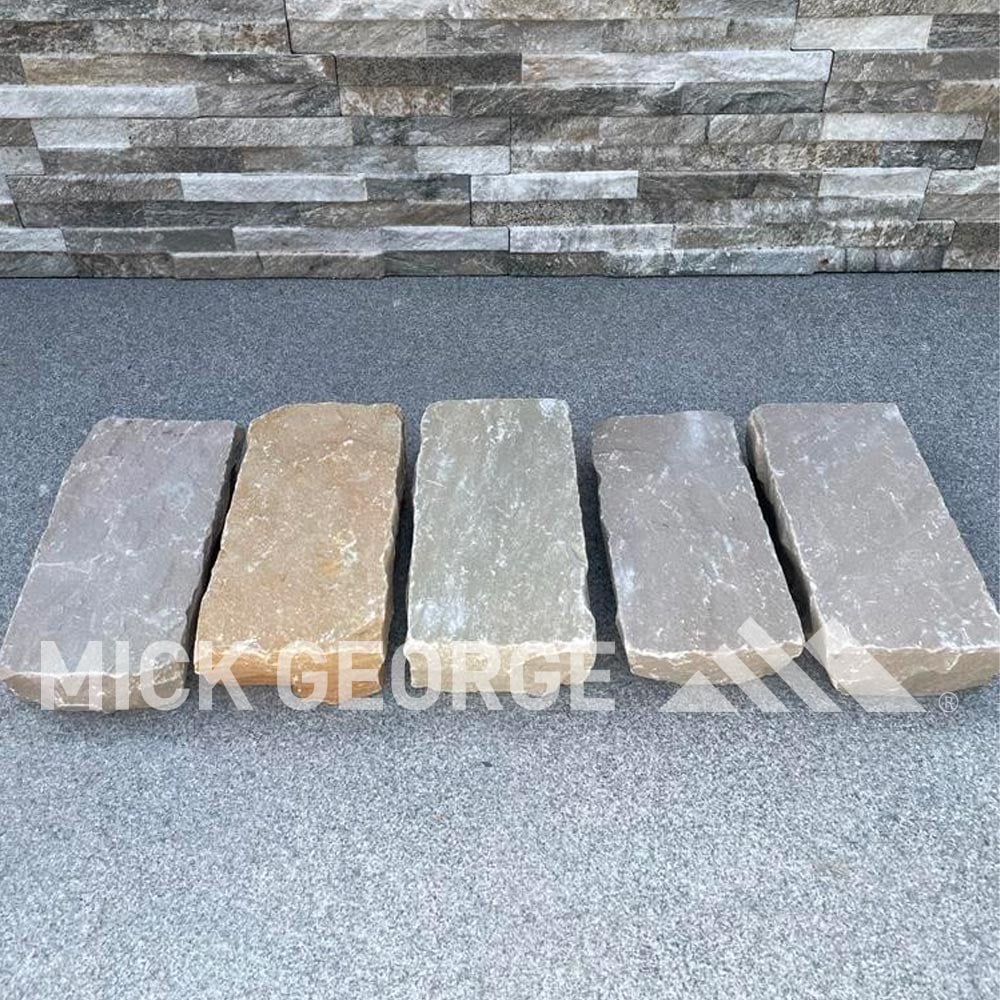
Sandstone
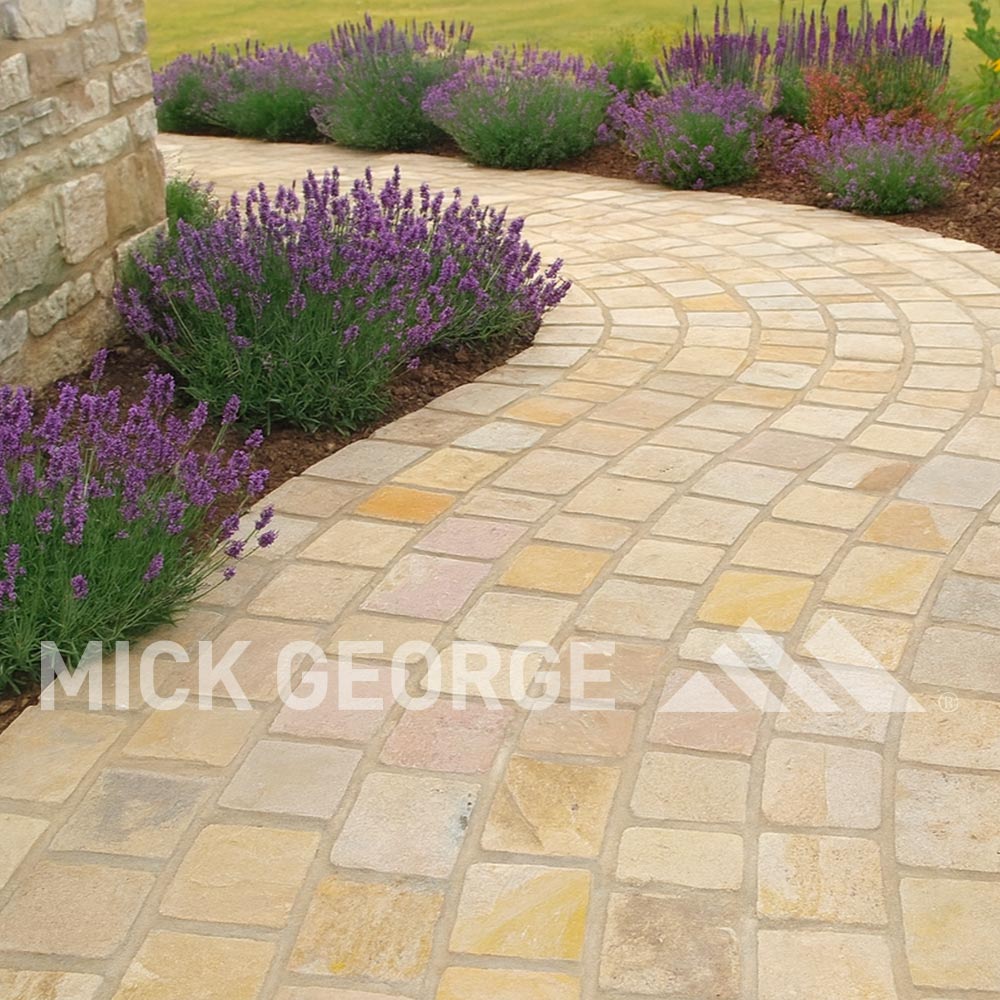
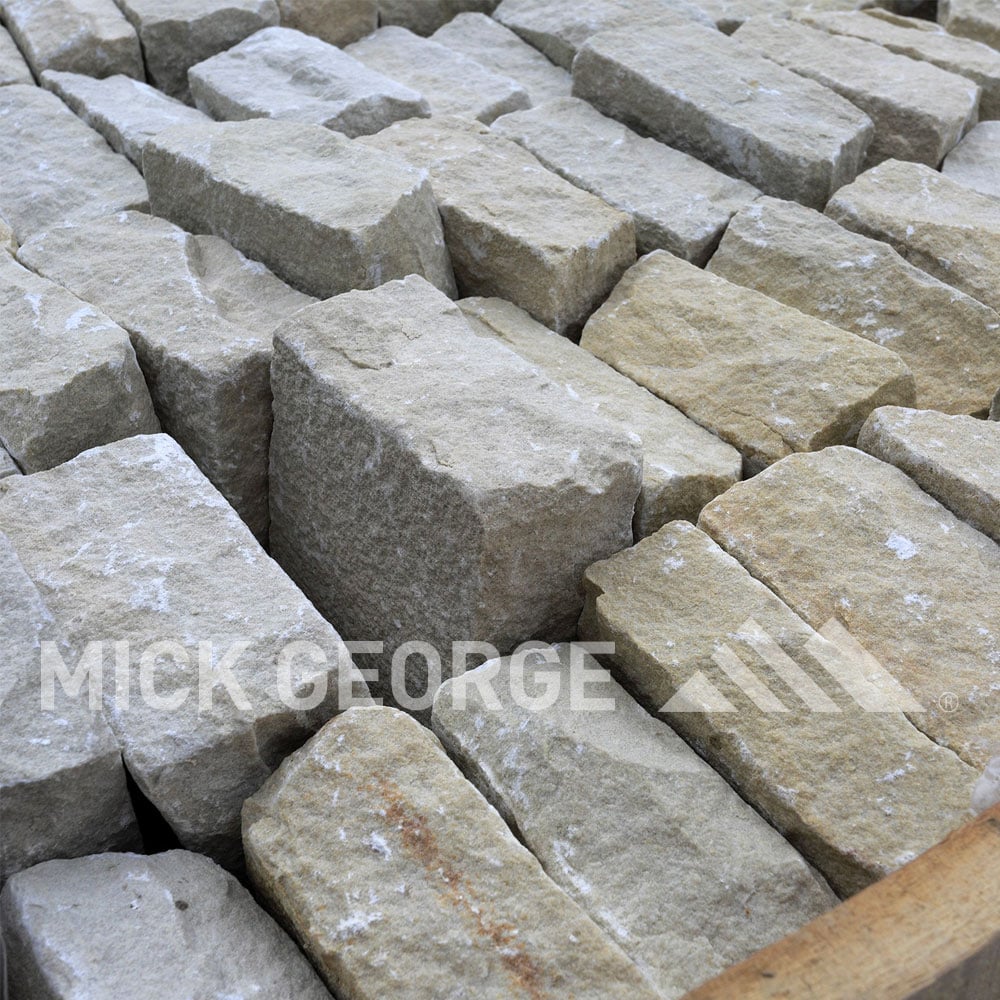
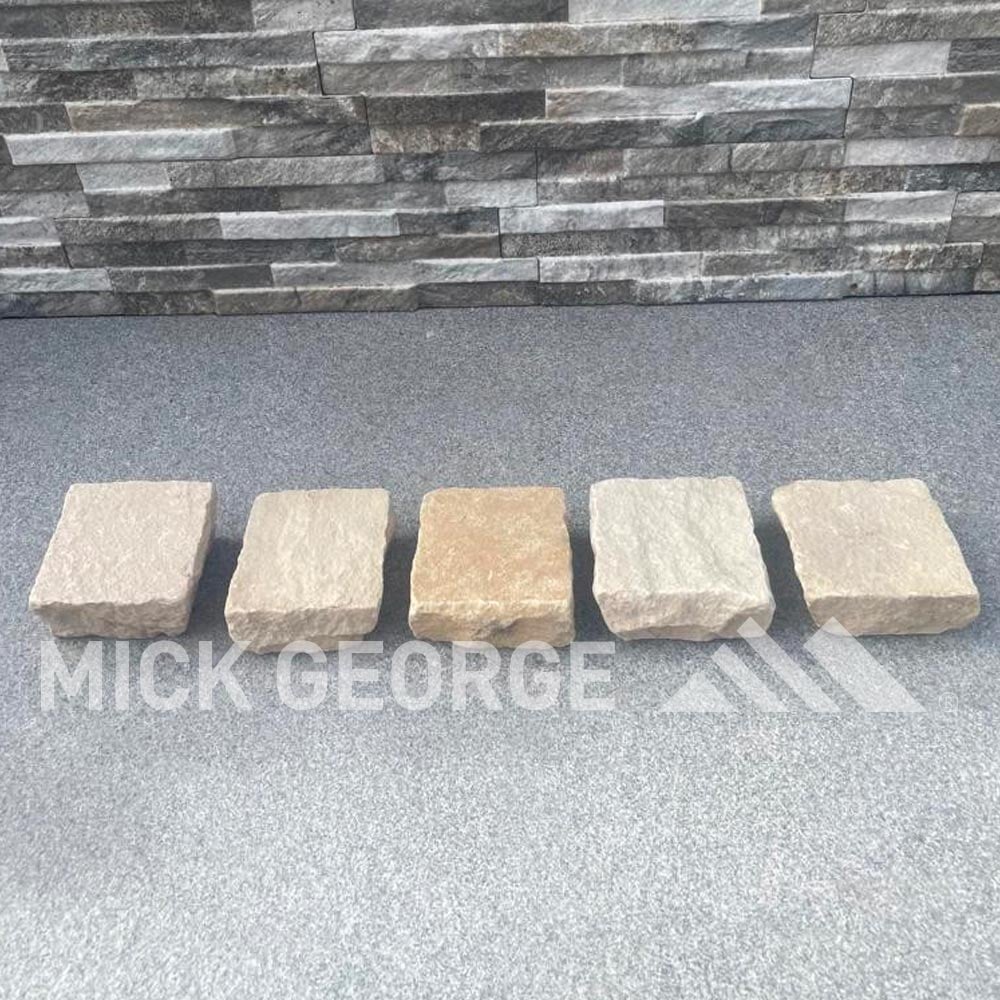
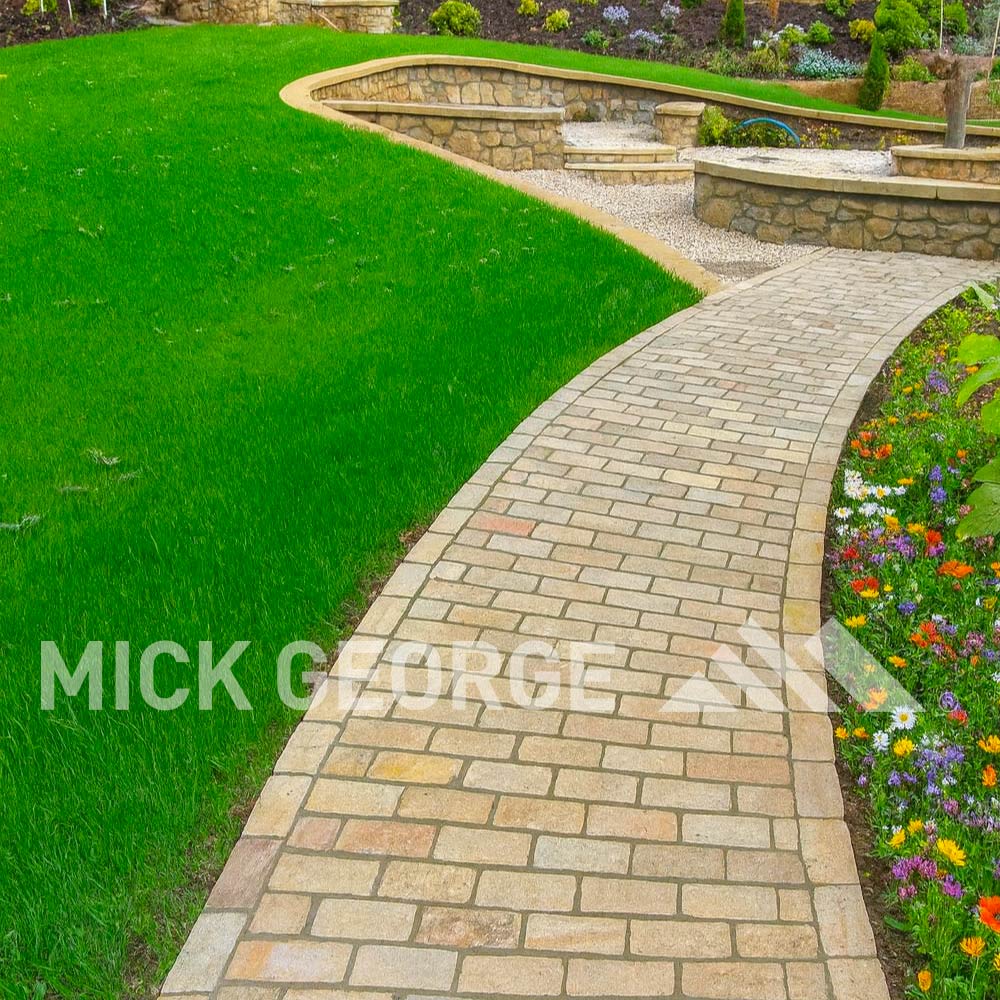
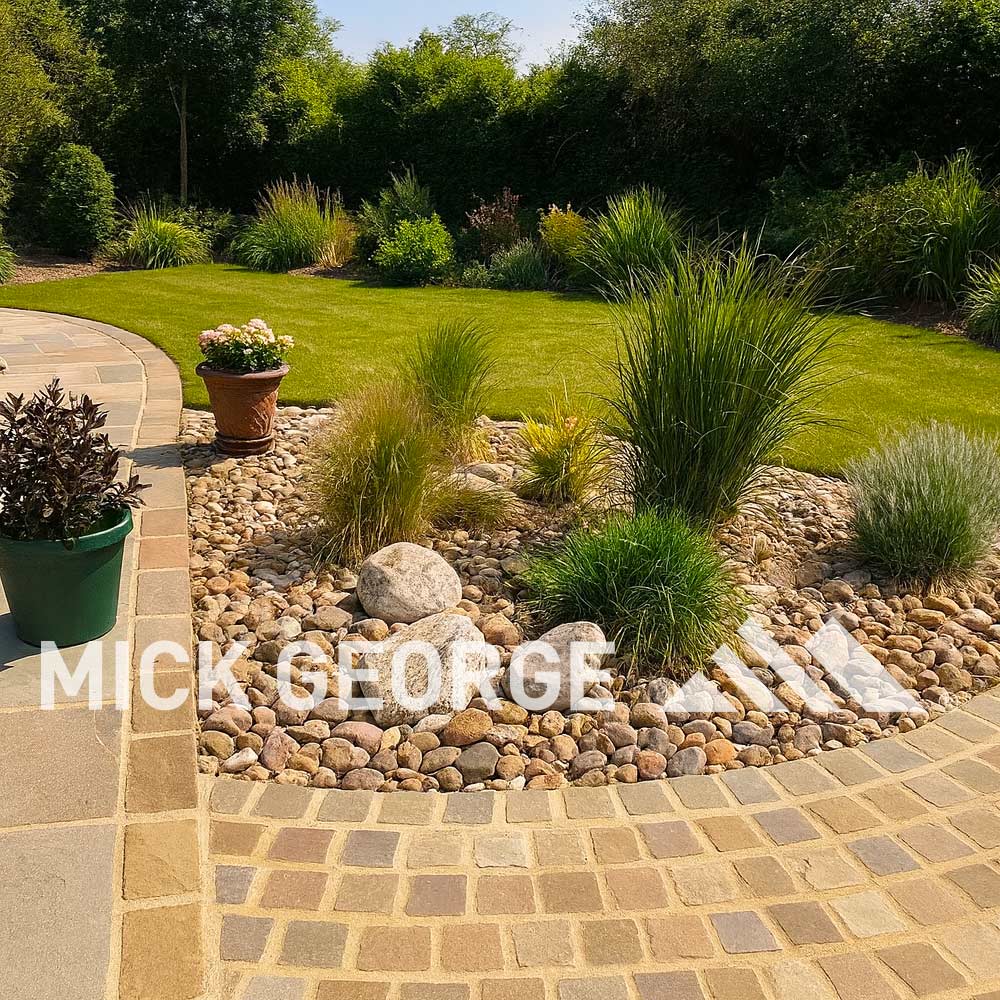
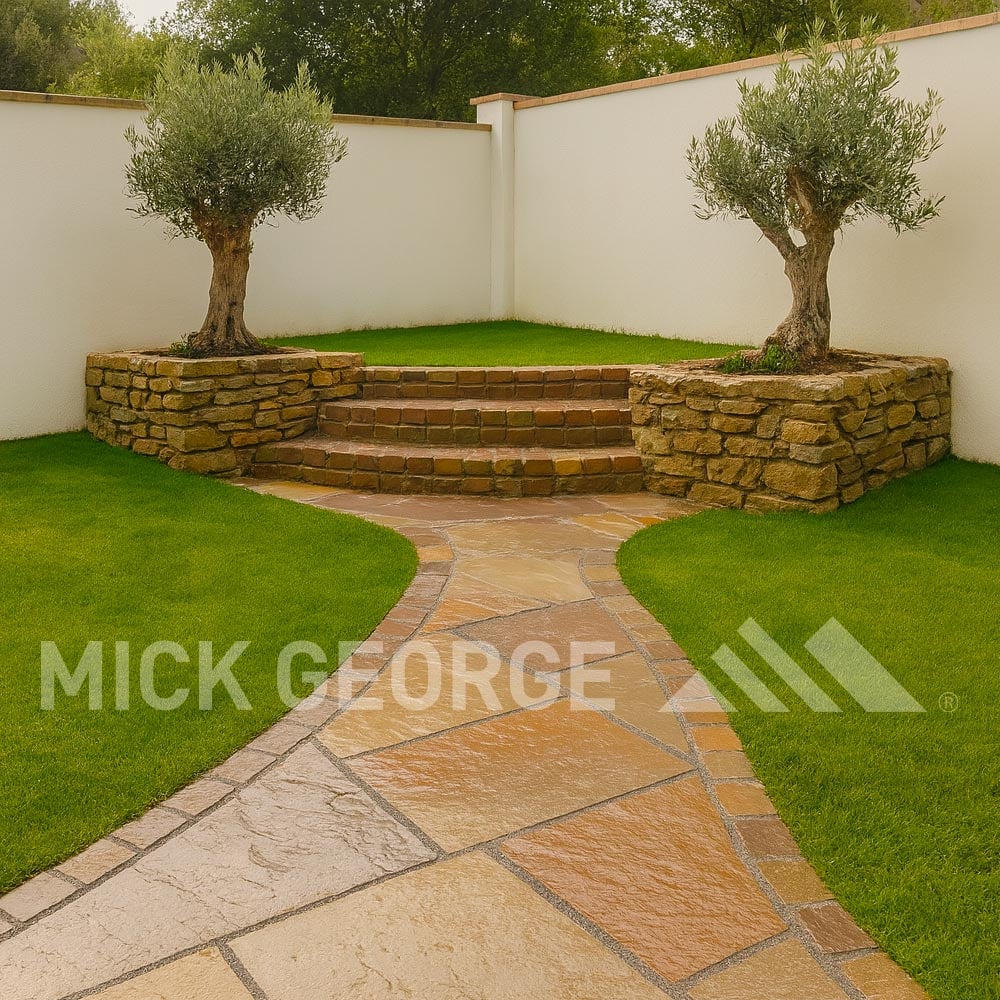
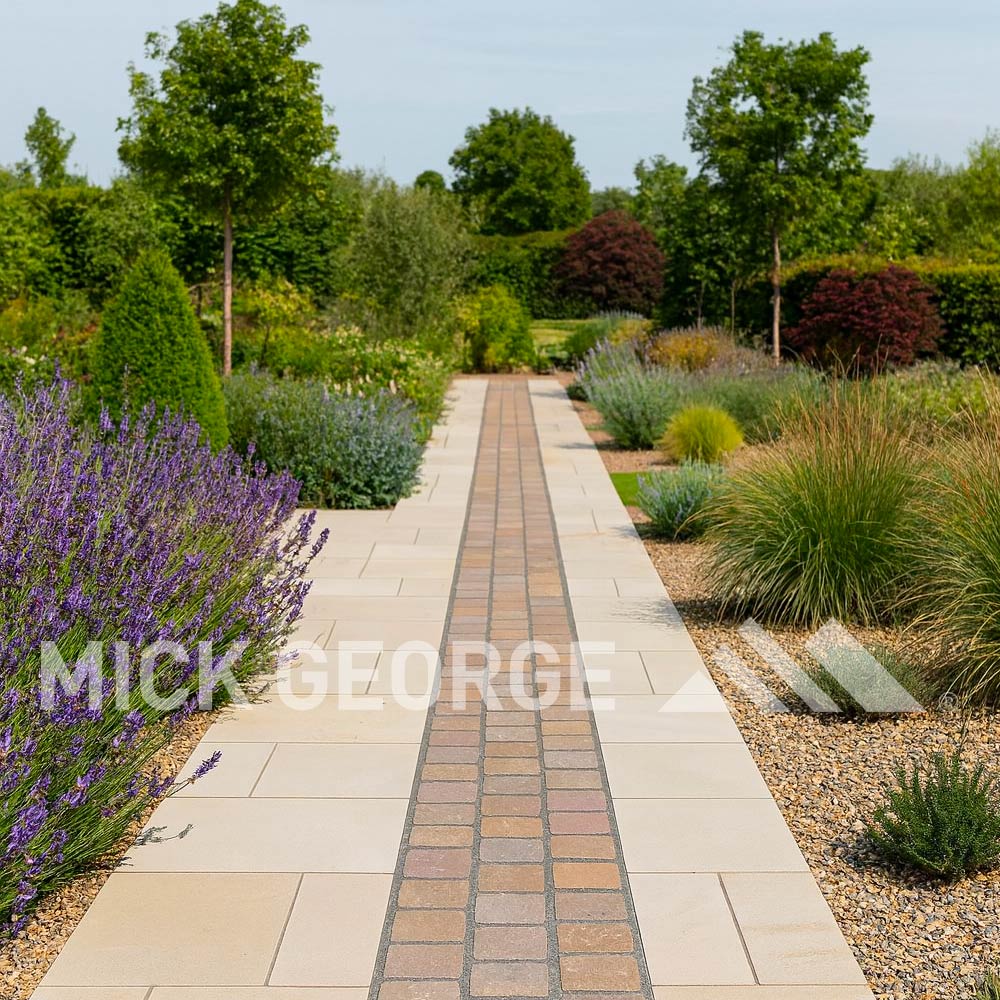
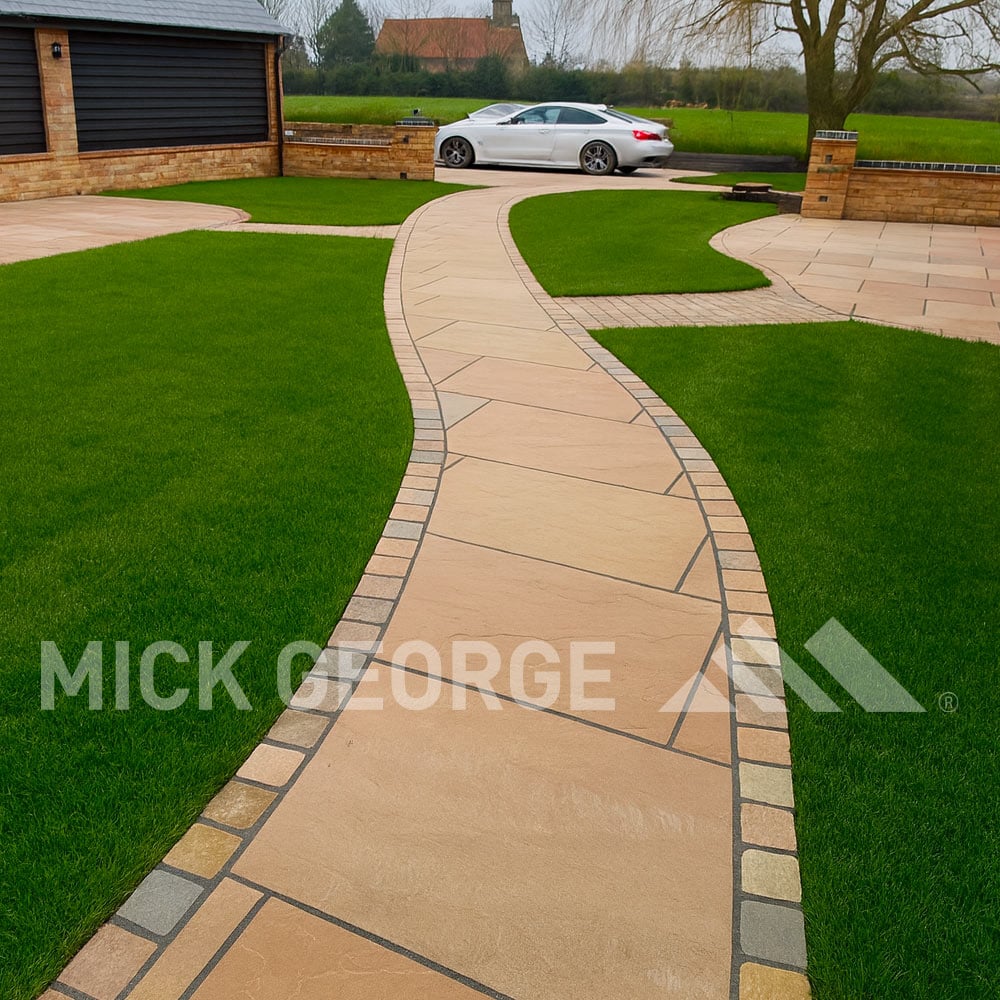
Often the most popular choice as it compliments the sandstone that has been used in the main paving project. The natural riven surface maintains the natural look of the project and it's incredibly easy to find a complimentary cobble.Home / Paving / Kerb, Edging and Cobbles / Sandstone
-
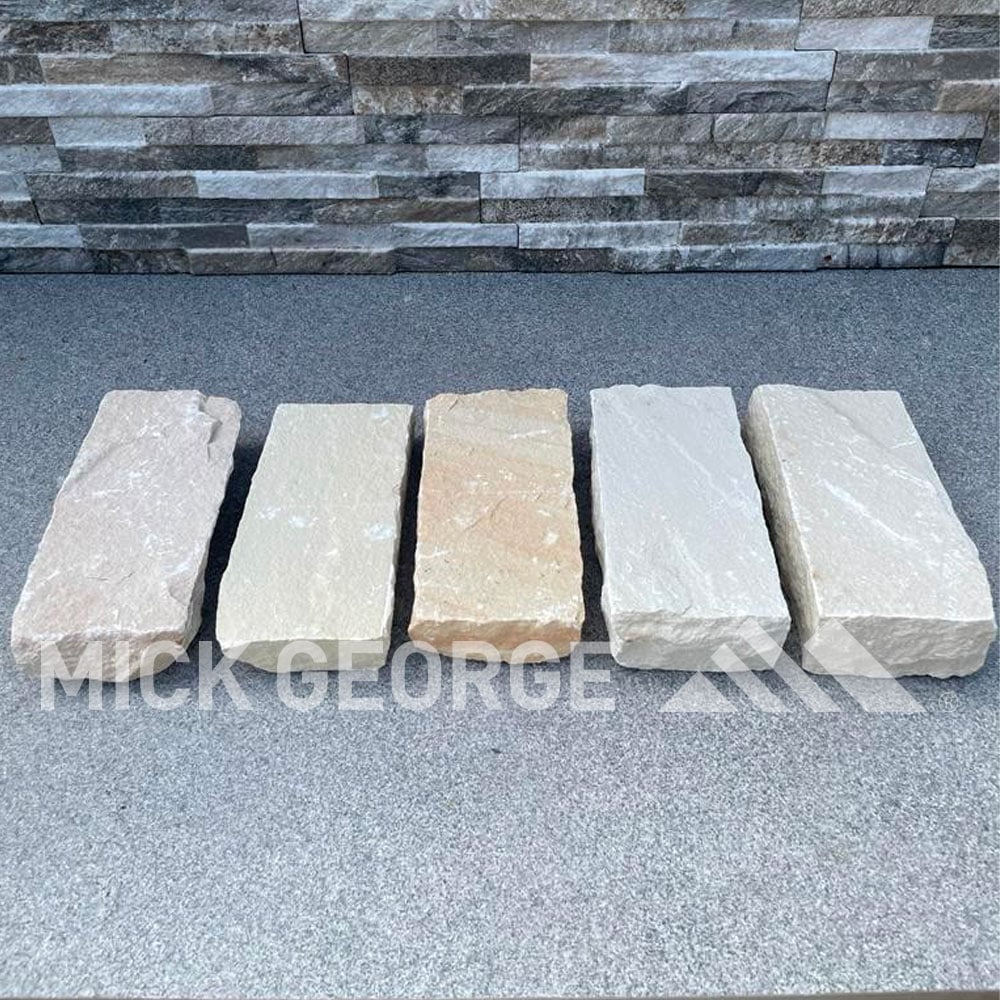
Fossil Mint Sandstone Cobbles 10cm x 10cm Packs
- 0% Interest Available
- Great Quality & Quick Delivery
-
Fossil Mint Sandstone Cobbles 20cm x 10cm Packs
- 0% Interest Available
- Great Quality & Quick Delivery
-
Kandla Grey Sandstone Cobbles 10cm x 10cm Packs
- 0% Interest Available
- Great Quality & Quick Delivery
£41.00 per m² /£0.43Original price was: £0.43.£0.41Current price is: £0.41.£49.00 per m² / £0.49 Was£0.52 -
Kandla Grey Sandstone Cobbles 20cm x 10cm Packs
- 0% Interest Available
- Great Quality & Quick Delivery
£45.86 per m² /£0.96Original price was: £0.96.£0.92Current price is: £0.92.£55.00 per m² / £1.10 Was£1.15 -
Raj Green Sandstone Cobbles10cm x 10cm Packs
- 0% Interest Available
- Great Quality & Quick Delivery
-
Raj Green Sandstone Cobbles 20cm x 10cm Packs
- 0% Interest Available
- Great Quality & Quick Delivery
£55.27 per m² /£1.16Original price was: £1.16.£1.11Current price is: £1.11.£66.33 per m² / £1.33 Was£1.39
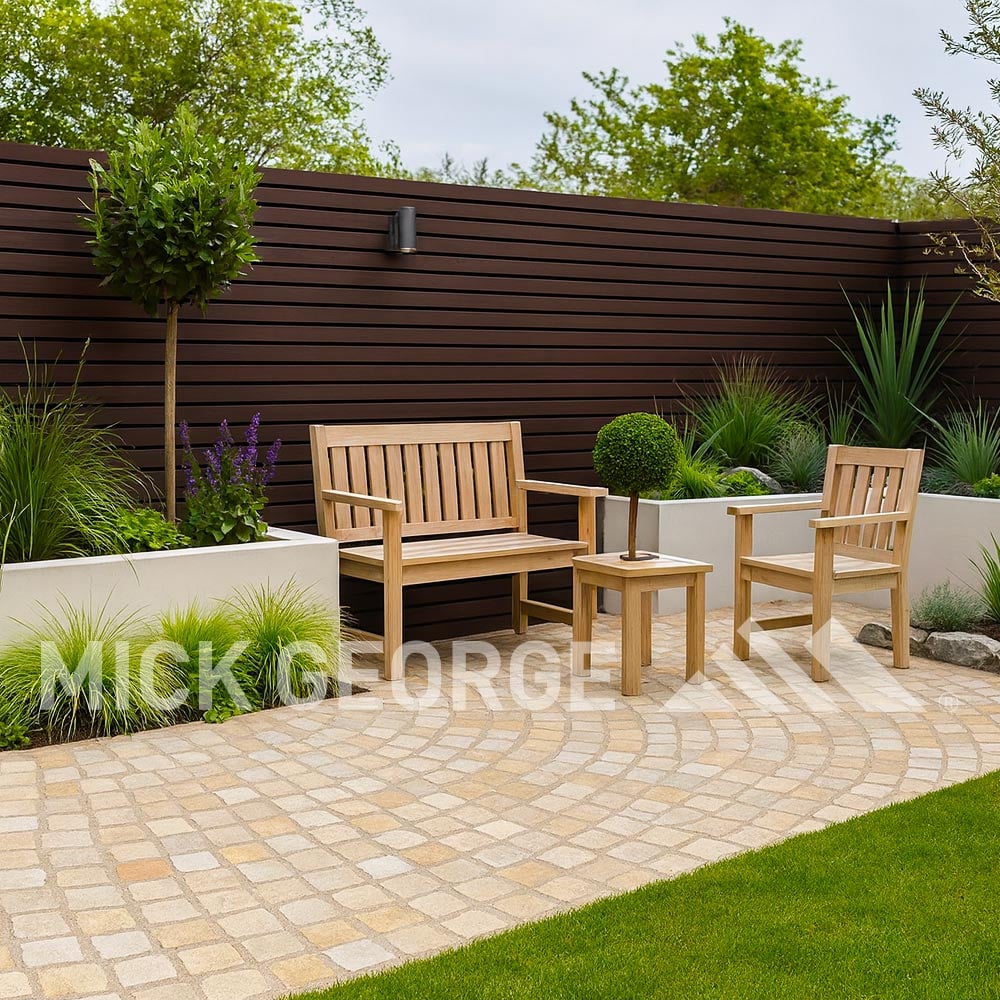
Sandstone Cobbles
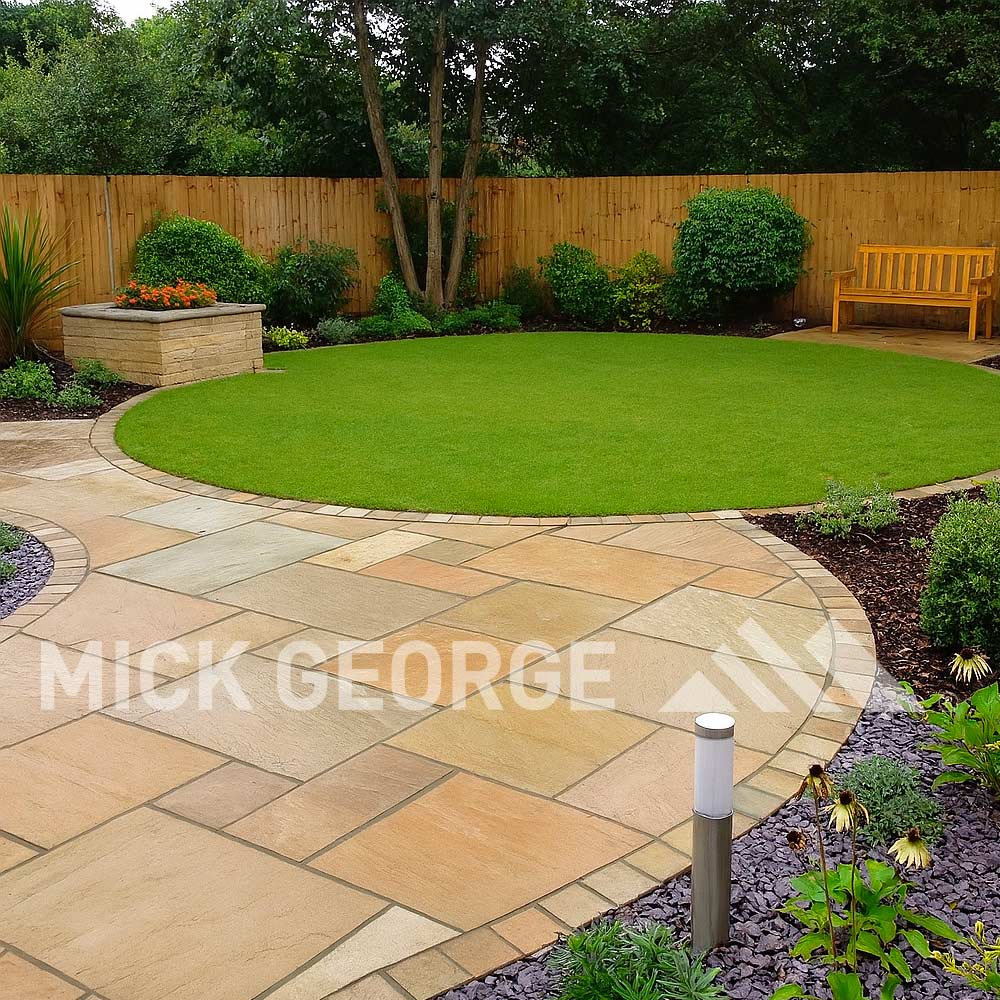
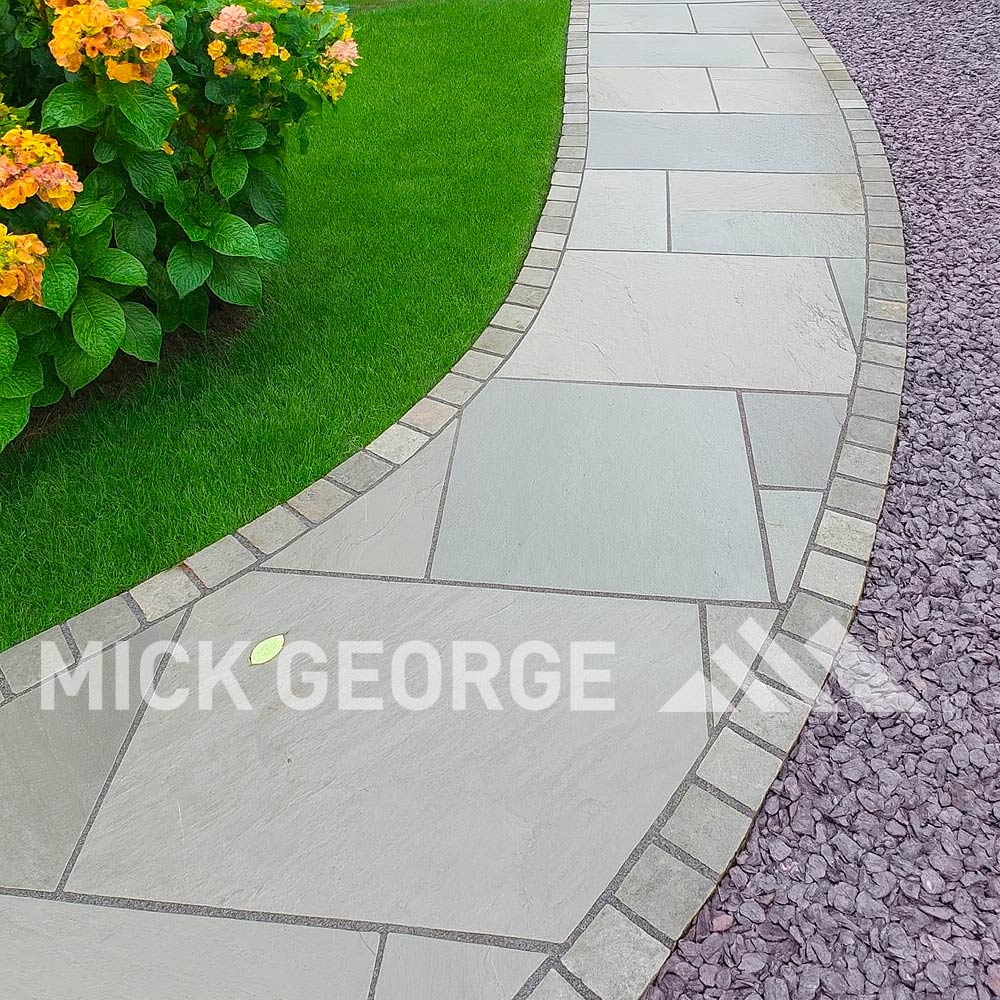
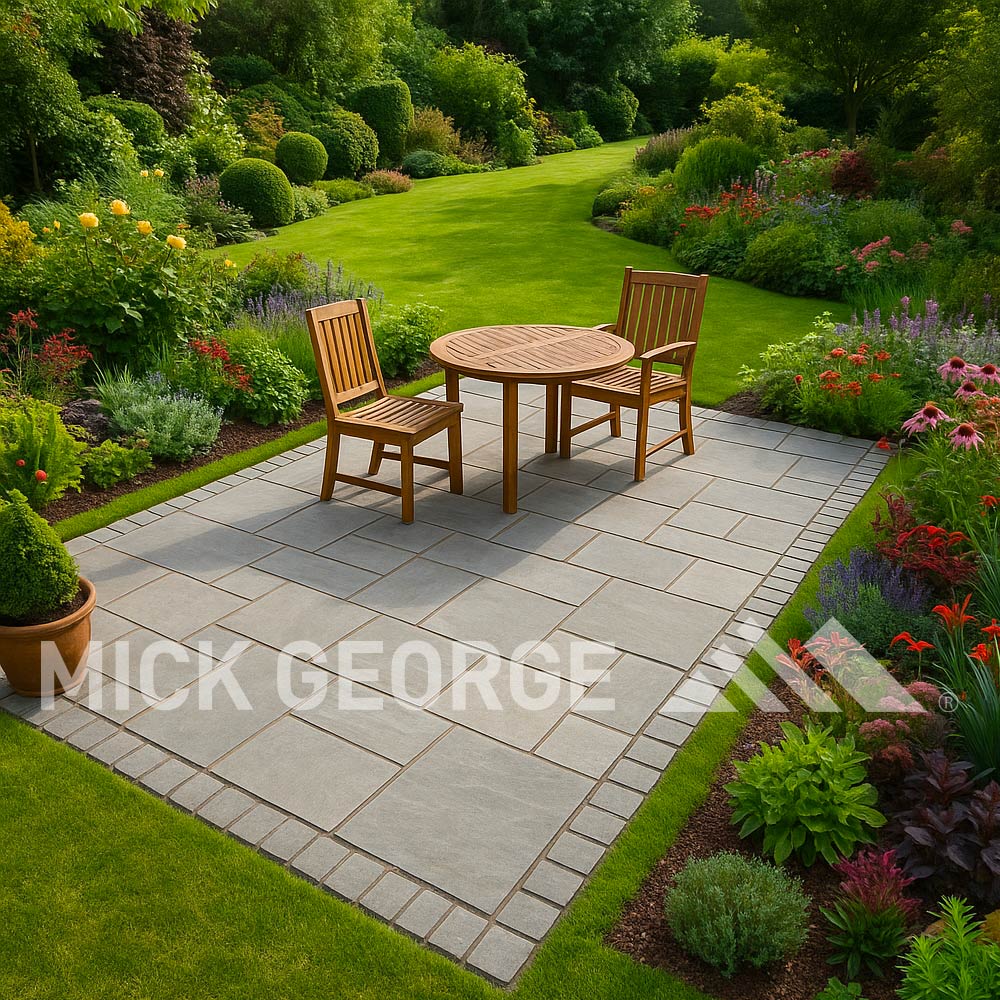
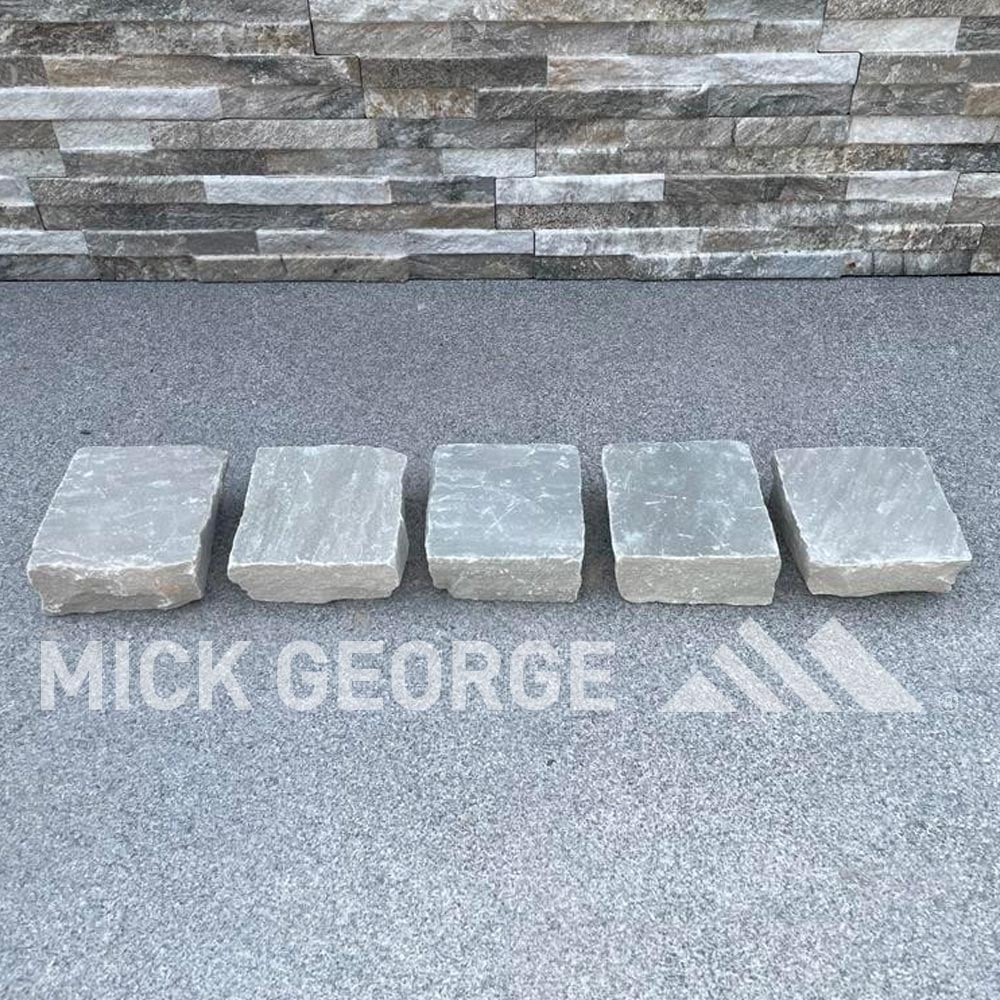
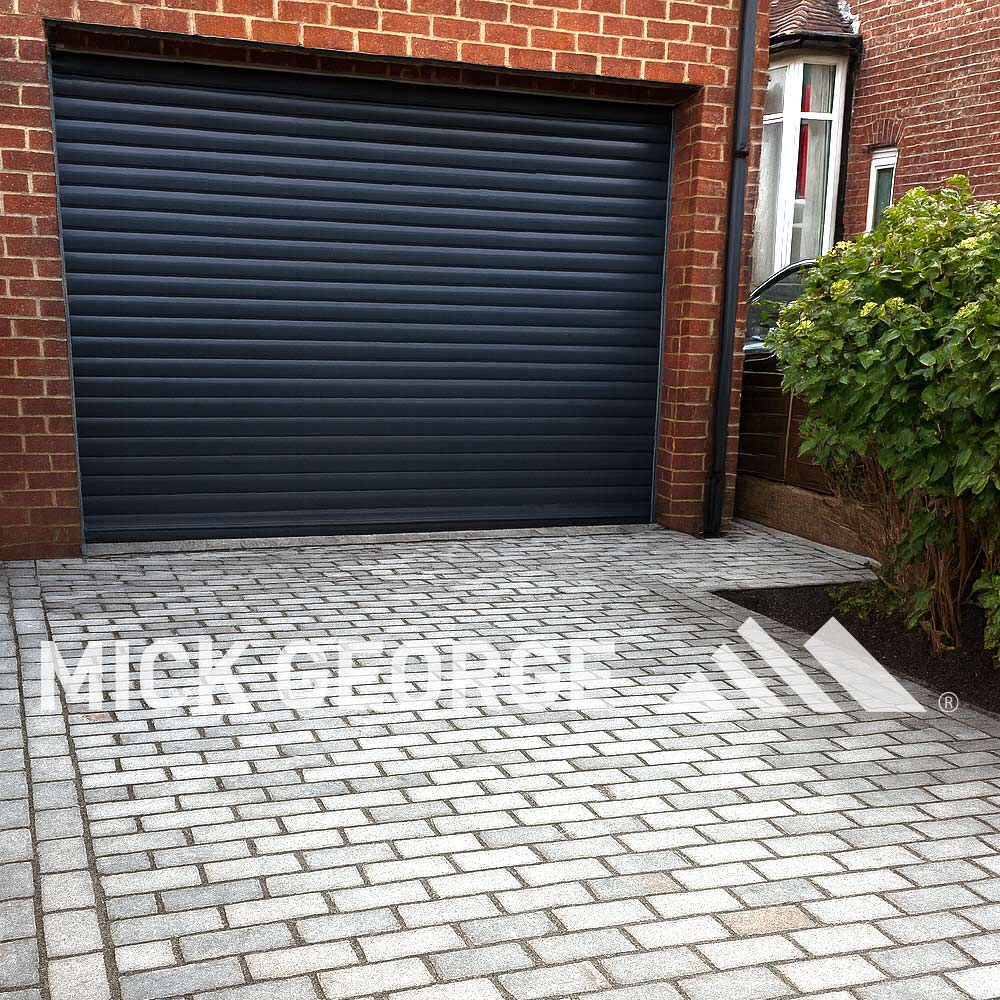
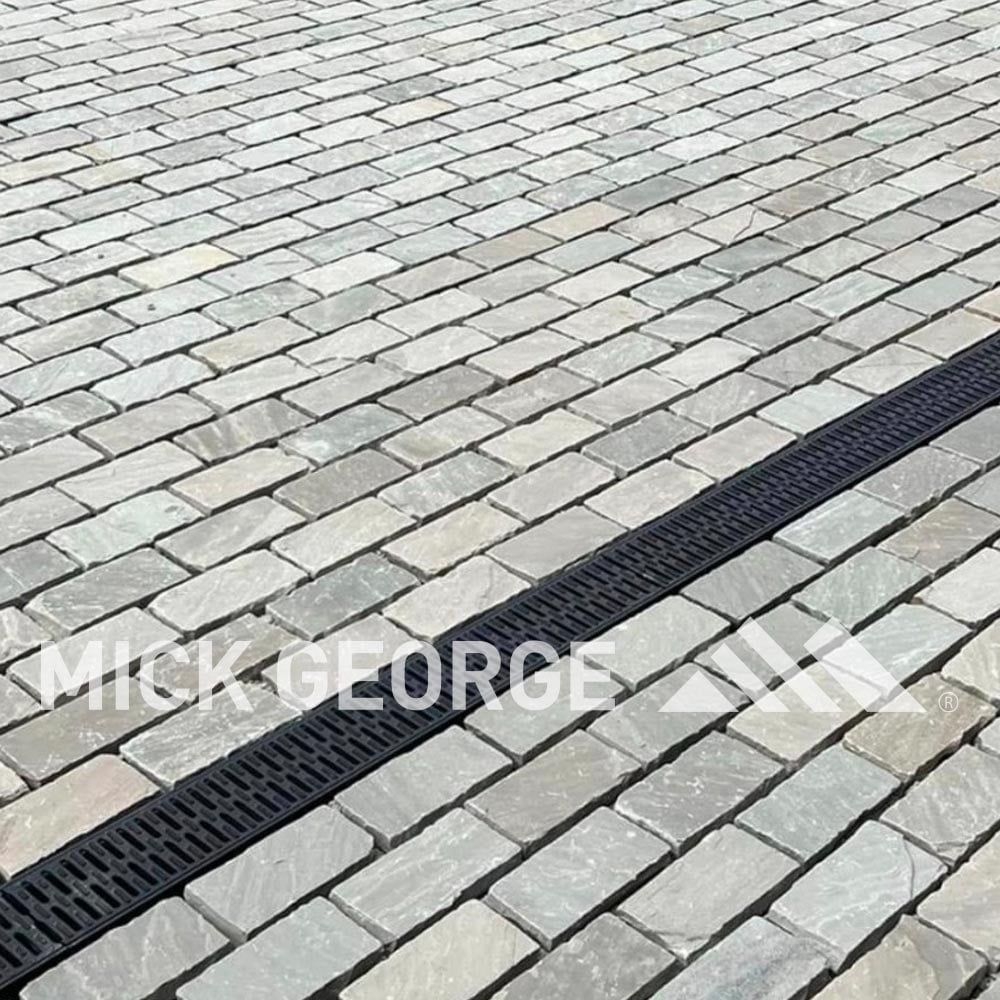
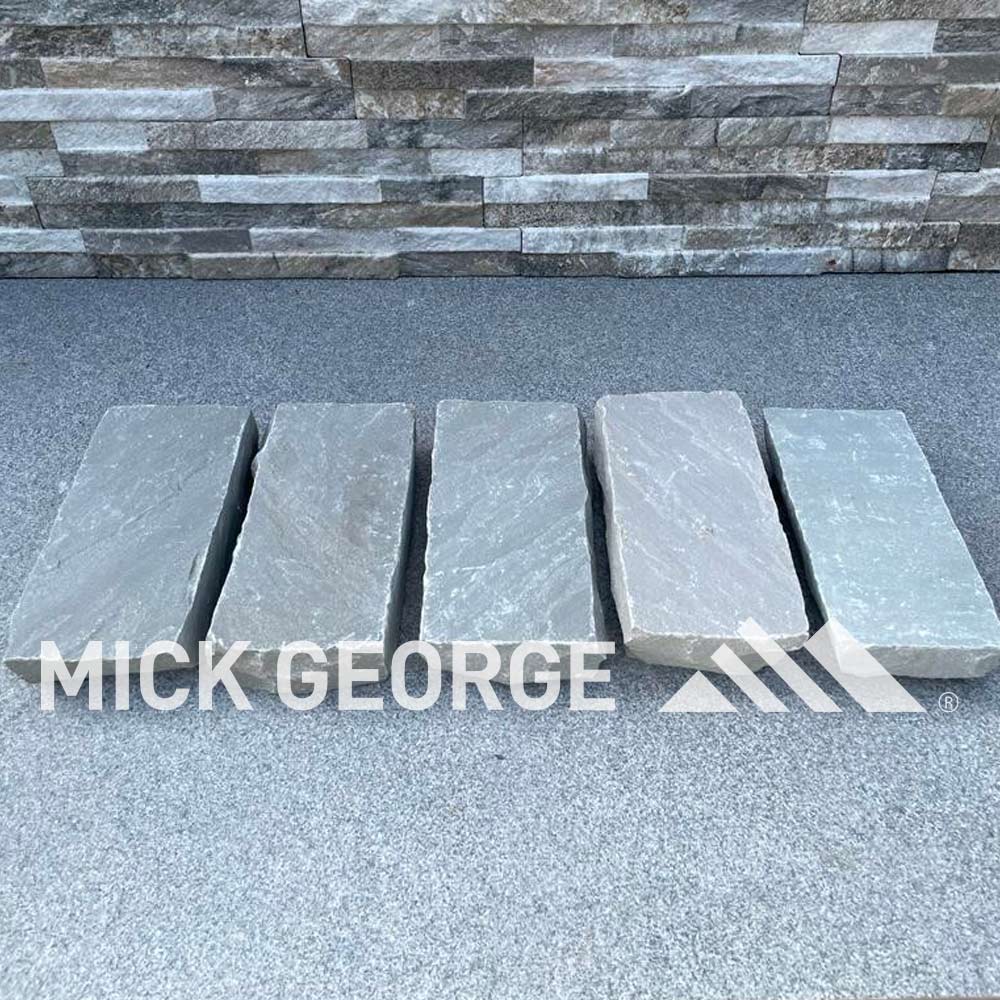
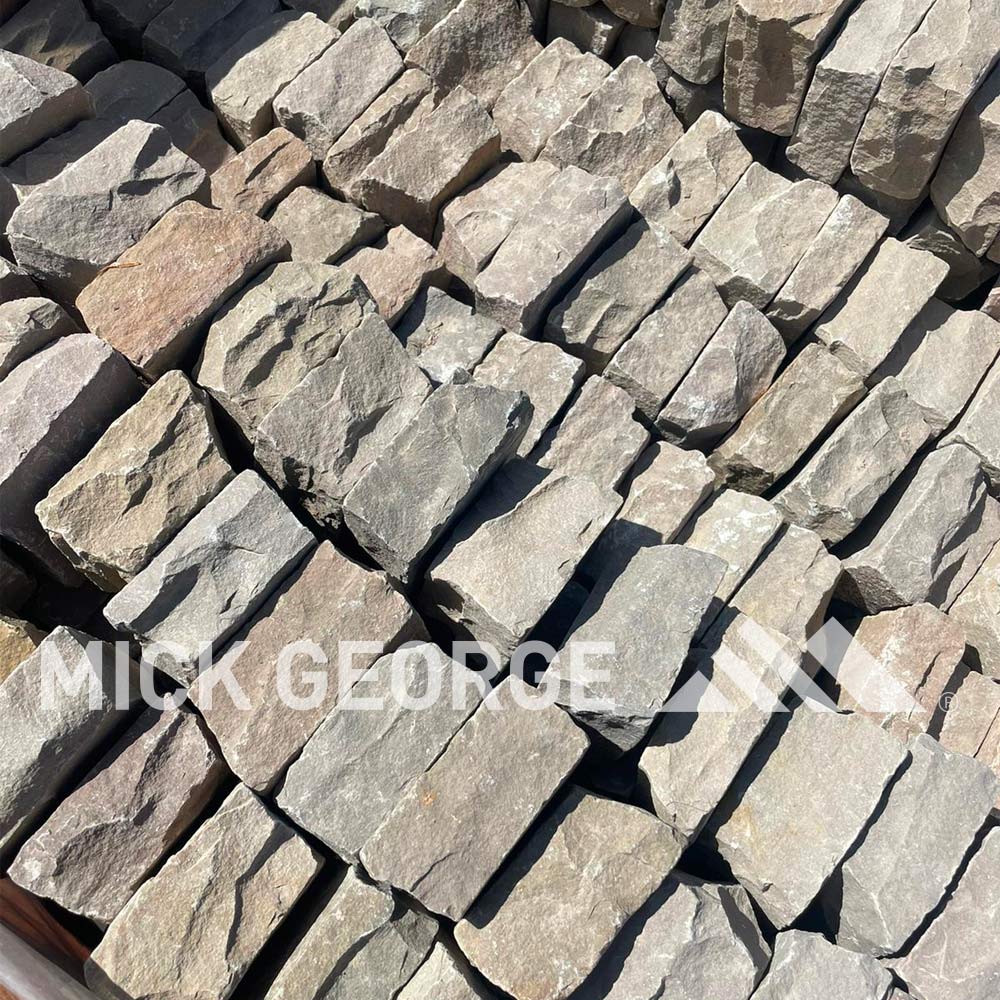
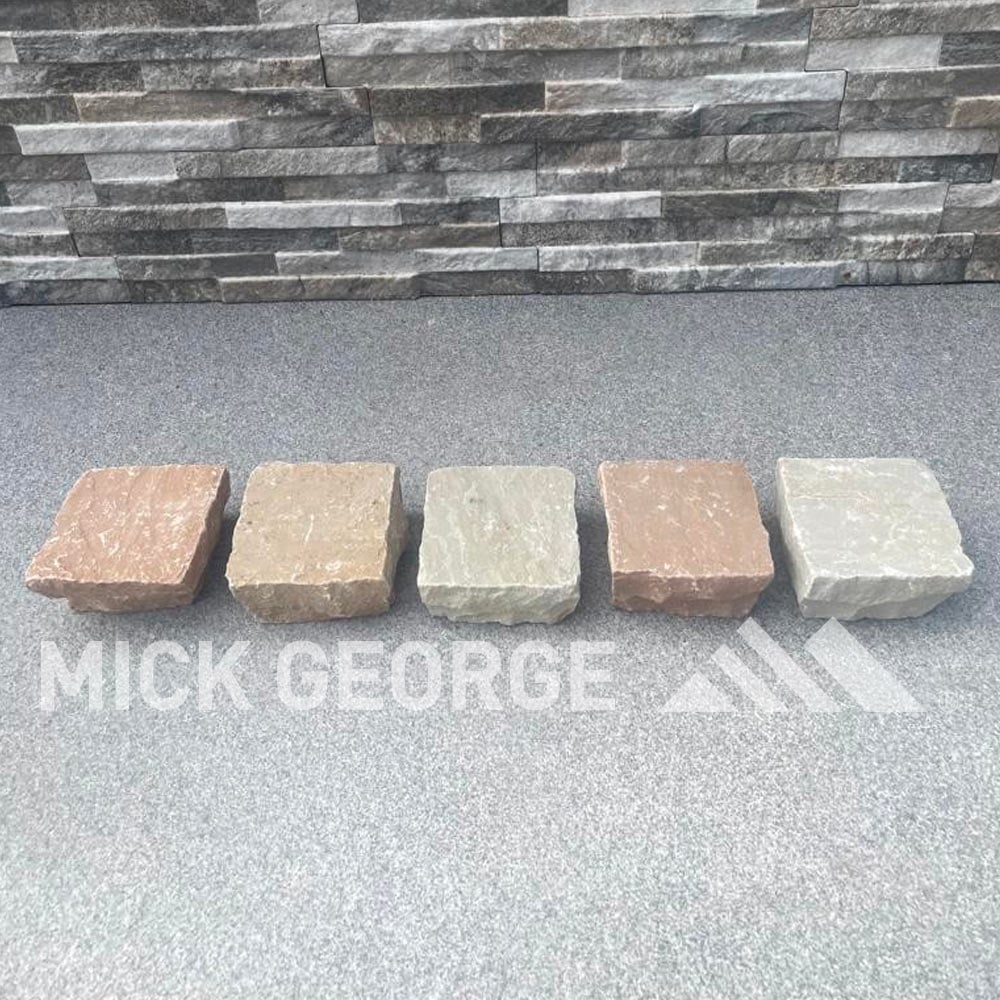
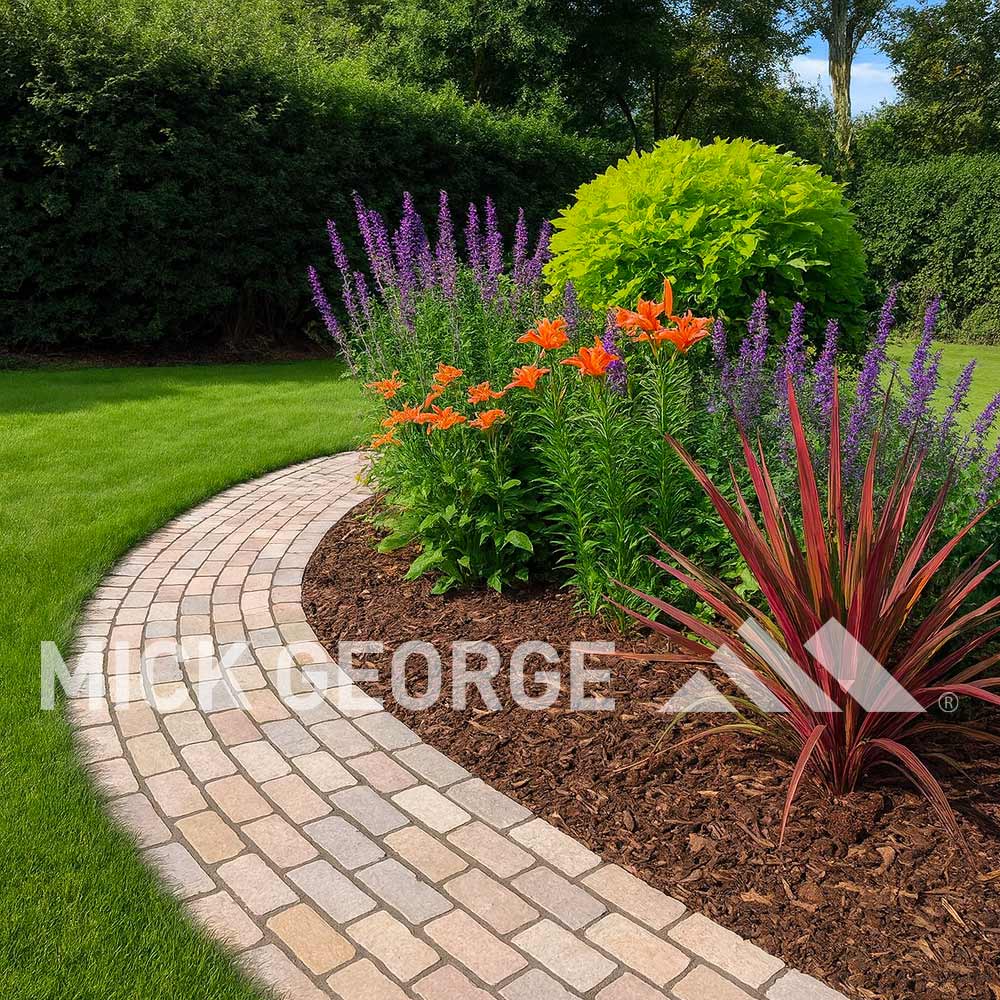
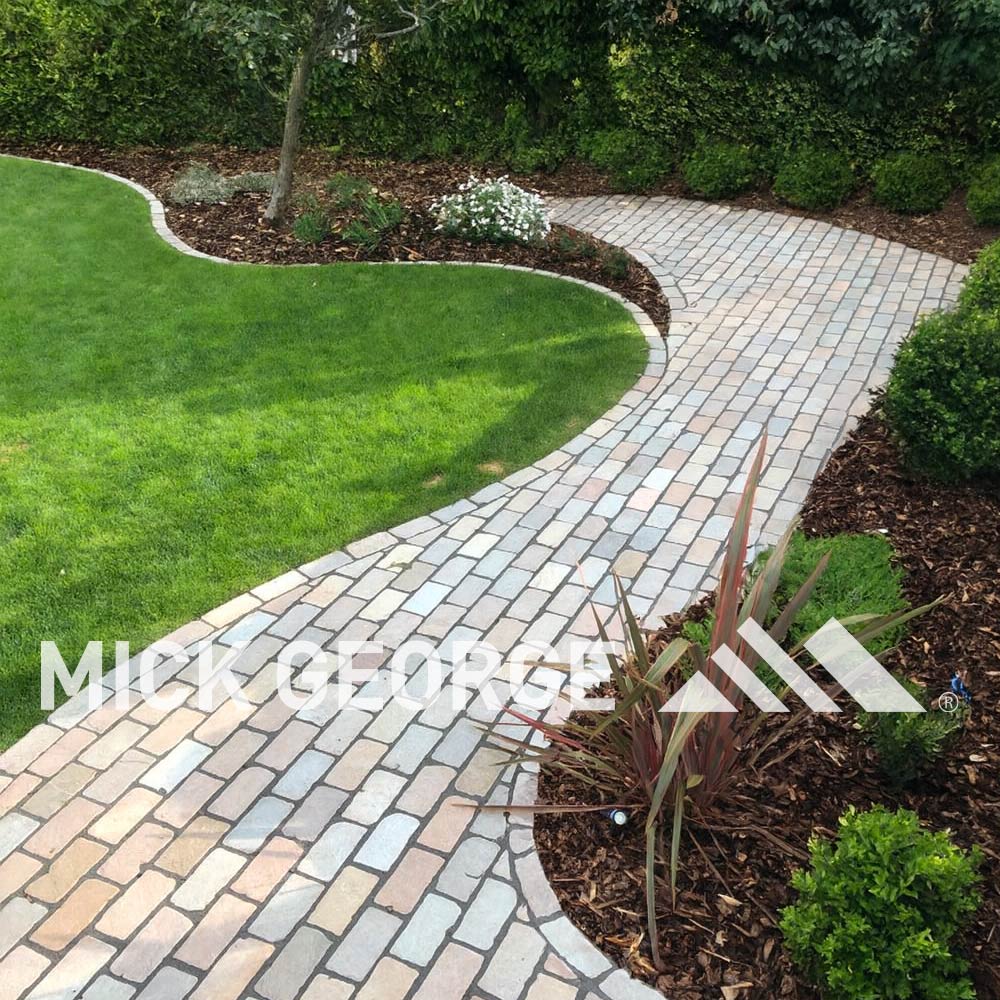
Sandstone Cobbles are ideal for smaller areas, where their scale increases the sense of space, and for edging curved paths and borders and adding bespoke pattern to paving designs. Hard-wearing and low-maintenance, they are a good choice for driveways and other high-traffic areas.
Frequently Asked Questions
What are the downsides of Indian sandstone paving?
The main downsides are staining, upkeep and variation. Sandstone is porous, so oil, wine, barbecue fat and leaf tannins can soak in, and in shady spots algae and moss take hold faster than on porcelain. No two slabs are the same colour, and batches vary, so a patio extended years later rarely matches perfectly. Kandla Grey contains natural iron that can show as brown spots. The riven surface is also uneven, which some people find awkward under tables and chairs.
Should you jet wash Indian sandstone?
Yes. but gently. Use a low pressure setting with a wide fan nozzle, hold it at an angle about 30cm from the surface, and keep it off the joints. A narrow, high-pressure jet strips the surface layer of sandstone, leaving it pitted and more absorbent, and can blast out sand-and-cement pointing. Softer stones such as Fossil Mint mark most easily. For routine cleaning, a stiff brush and a stone cleaner are often enough. Join-It jointing compound is made to withstand power washing.
How much does Indian sandstone paving cost per square metre?
Our sandstone paving starts from around £19 per m² plus VAT for the 18mm value ranges. The standard 22mm calibrated slabs start from around £21 per m² plus VAT, including Kandla Grey, Raj Green, Fossil Mint and Rippon Buff. price depends on thickness, slab size and whether you buy single-size or mixed packs, which come in 5m² steps up to 18m² . circle features cost more per m². Delivery is charged by postcode and pallet count.
What is the typical lifespan of an Indian sandstone patio?
Several decades. Sandstone is a hard-wearing natural stone, and a patio laid on a compacted sub-base with a full mortar bed should outlast most other parts of the garden. The stone itself rarely fails. What wears first is the jointing, which may need raking out and refilling over the years, and the bedding if the slabs were laid on spots of mortar. Over time the colour mellows and the surface weathers, which many people see as part of the appeal.
What happens if you don’t seal Indian sandstone?
Nothing structural. Unsealed sandstone lasts just as long, but it stains more easily, takes on dirt and algae faster in damp or shady areas, and weathers to a softer, paler shade. Many people leave it unsealed and like the aged look. If you do seal, use an impregnating sealer designed for natural stone, and wait until the patio has fully dried and any white salt bloom from the mortar has cleared. Sealing over damp stone traps that bloom underneath.
Is Indian sandstone slippery when wet?
Not usually. All our sandstone paving has a riven surface, split along the stone’s natural layers, so it has a textured face that gives good grip in the wet. It becomes slippery when algae, moss or lichen build up, which happens fastest in shade, under trees and where water sits, brushing the patio regularly, keeping a slight fall so rain drains off, and cleaning green growth as soon as it appears to keep the surface safe underfoot.
Which is better for a patio, porcelain or sandstone?
It depends on what matters most to you. Porcelain absorbs almost no water, so it resists stains and stays uniform with little maintenance, but it costs more to lay because it needs a slurry primer and diamond cutting. Sandstone costs less, cuts and lays more easily, and has a natural variation that porcelain only imitates, but it needs more care. Our sandstone starts from around £19 per m² plus VAT, and budget porcelain such as Cathedral Grey Porcelain from around £22.
Do you sell white sandstone paving?
No. The lightest sandstone we stock is Fossil Mint: a cream and buff stone with caramel tones, occasional pink swirls and fossil prints on the surface. If you want a white patio, porcelain is the better buy. We stock white porcelain ranges such as Quartz White, Holystone White and Dolomia White. A pale, porous sandstone shows every leaf stain and drip, while white porcelain stays clean with a wipe.
Get the latest news & offers