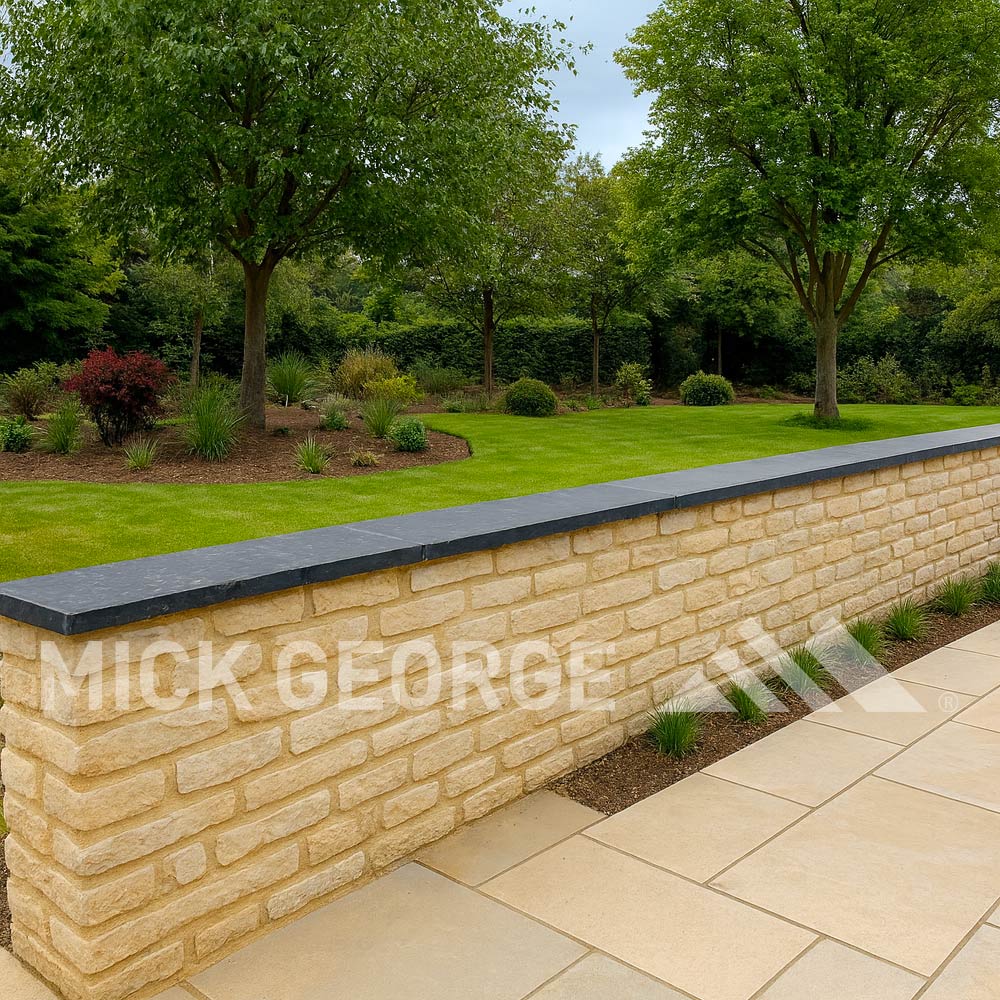
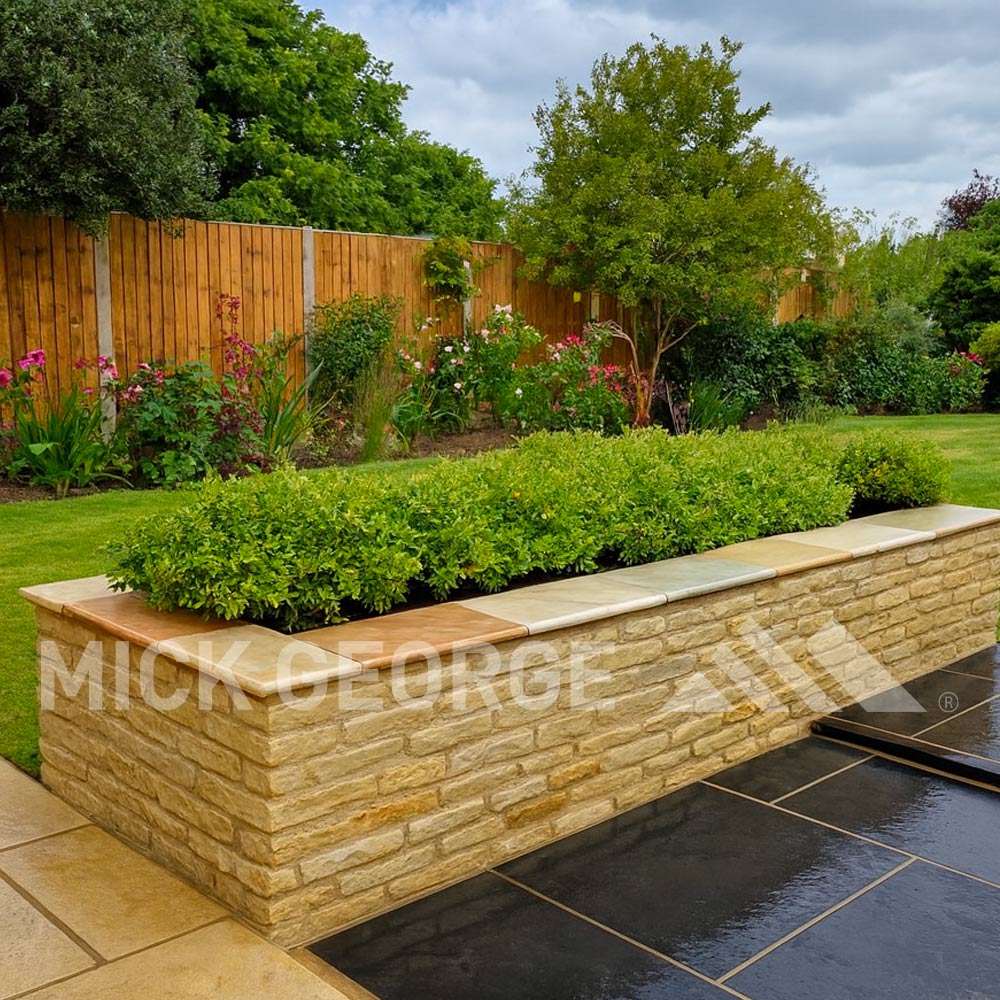
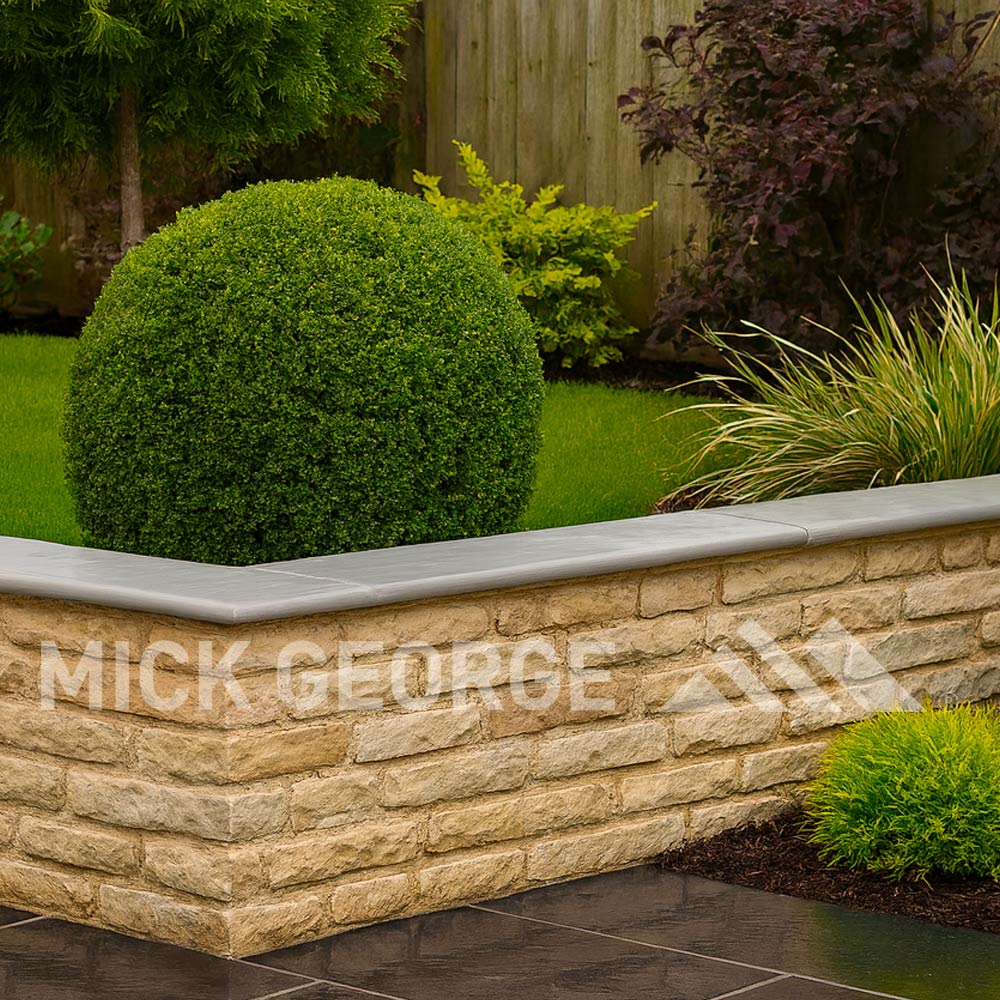
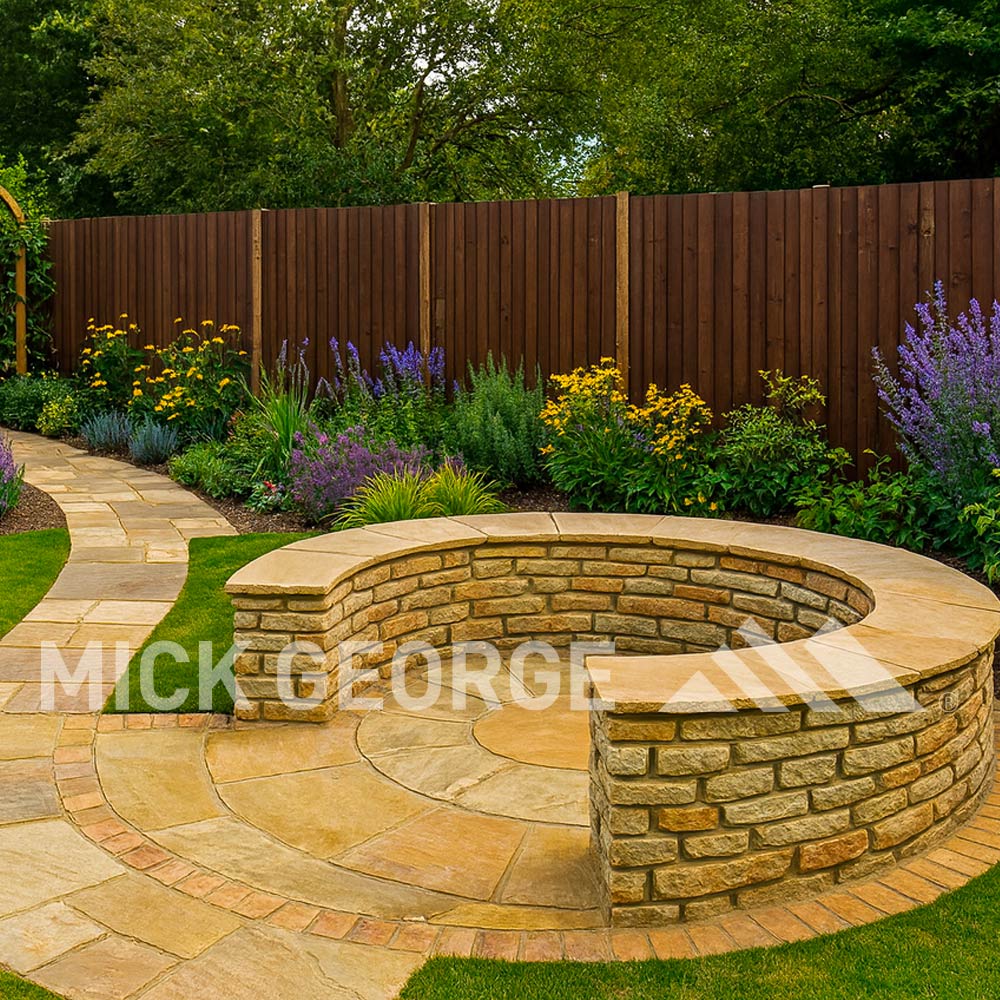
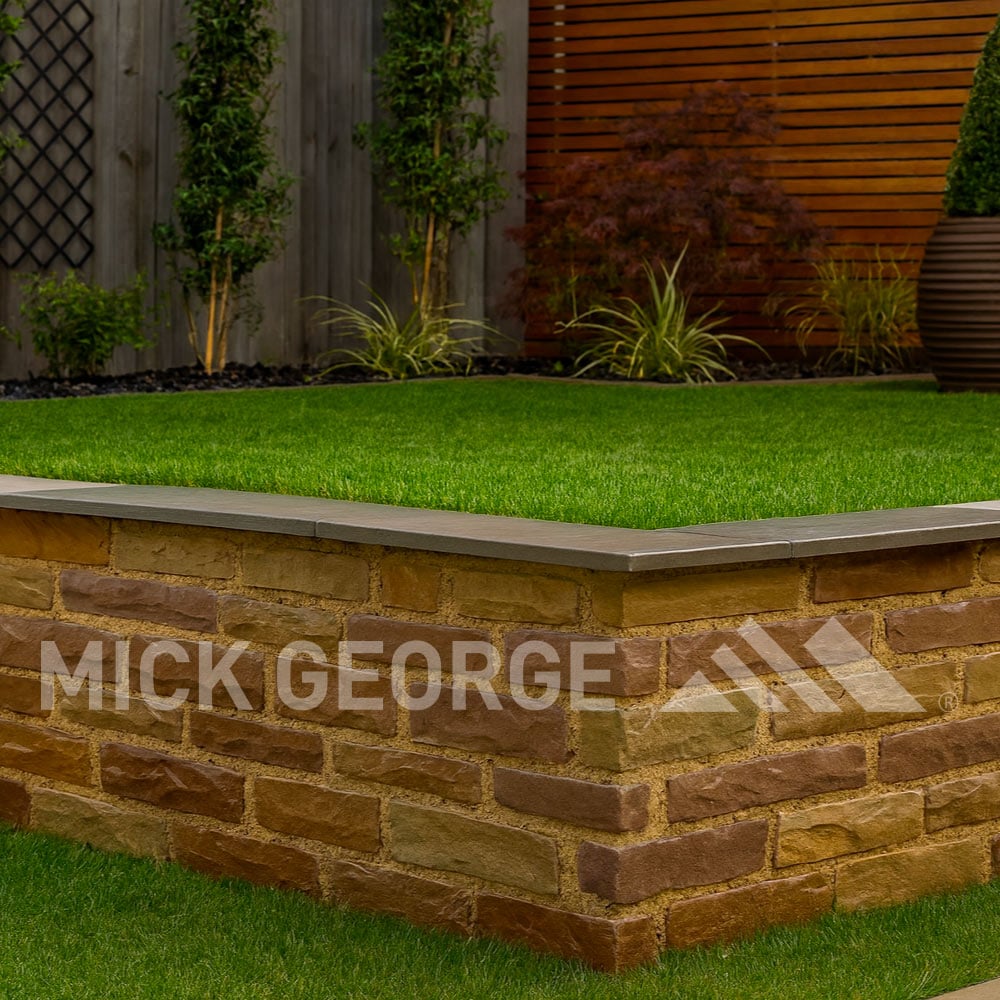
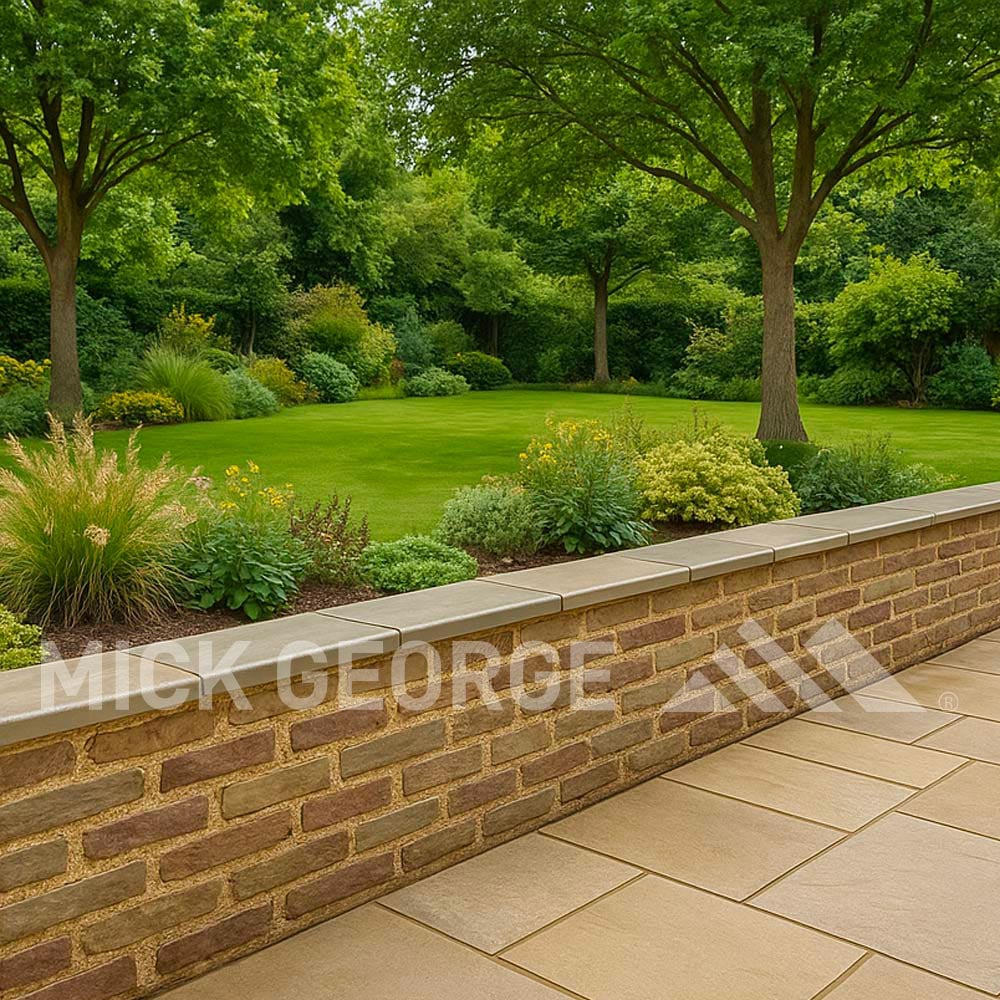
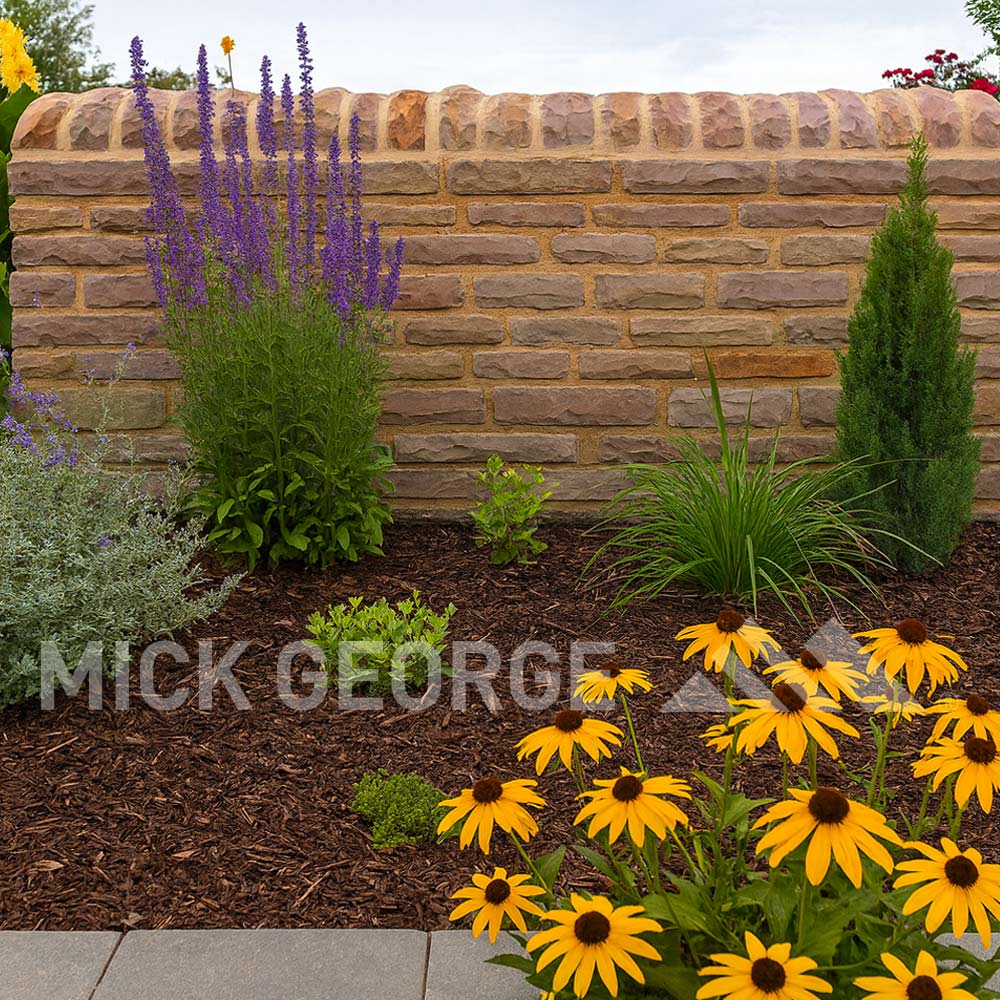
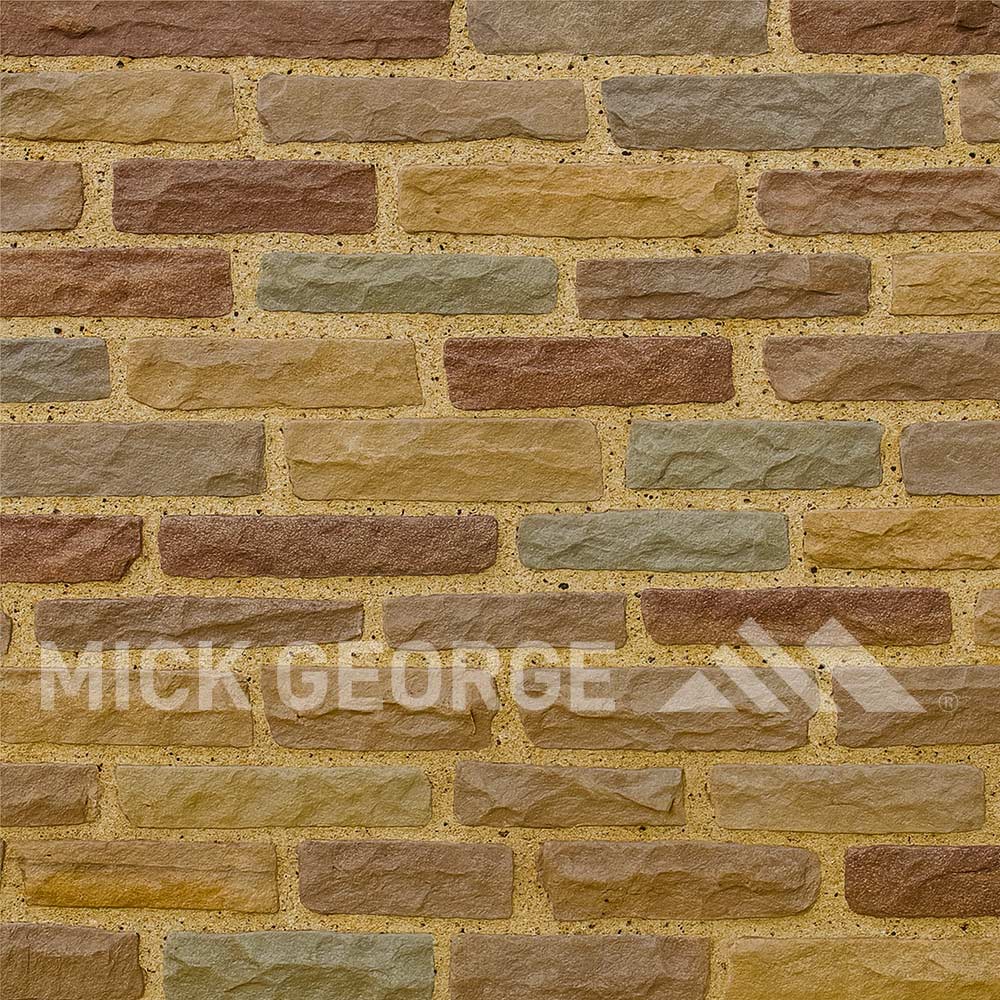
Walling Stone
Whether you’re creating a domestic garden wall or something for a commercial project, our garden walling is competitively priced and can be delivered quickly to make your ideal garden wall a reality.Home / Paving / Garden Walling / Walling Stone
-
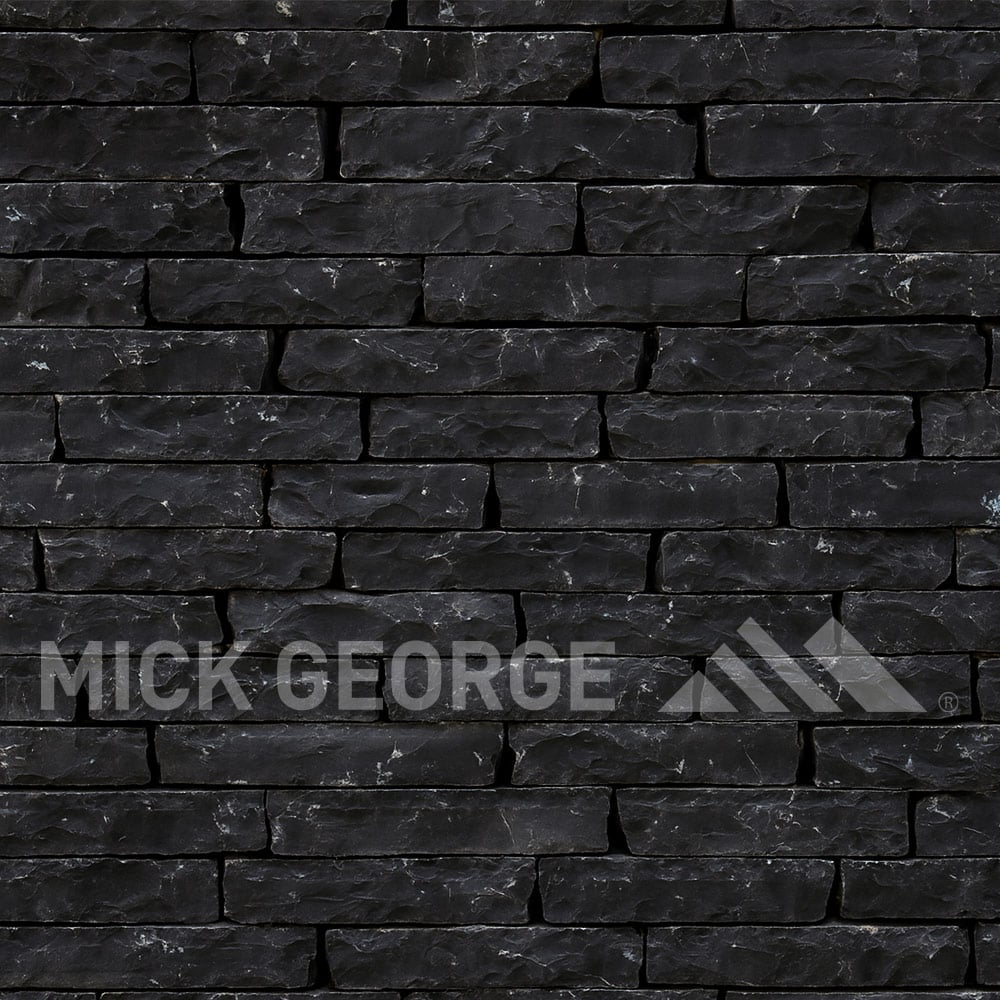
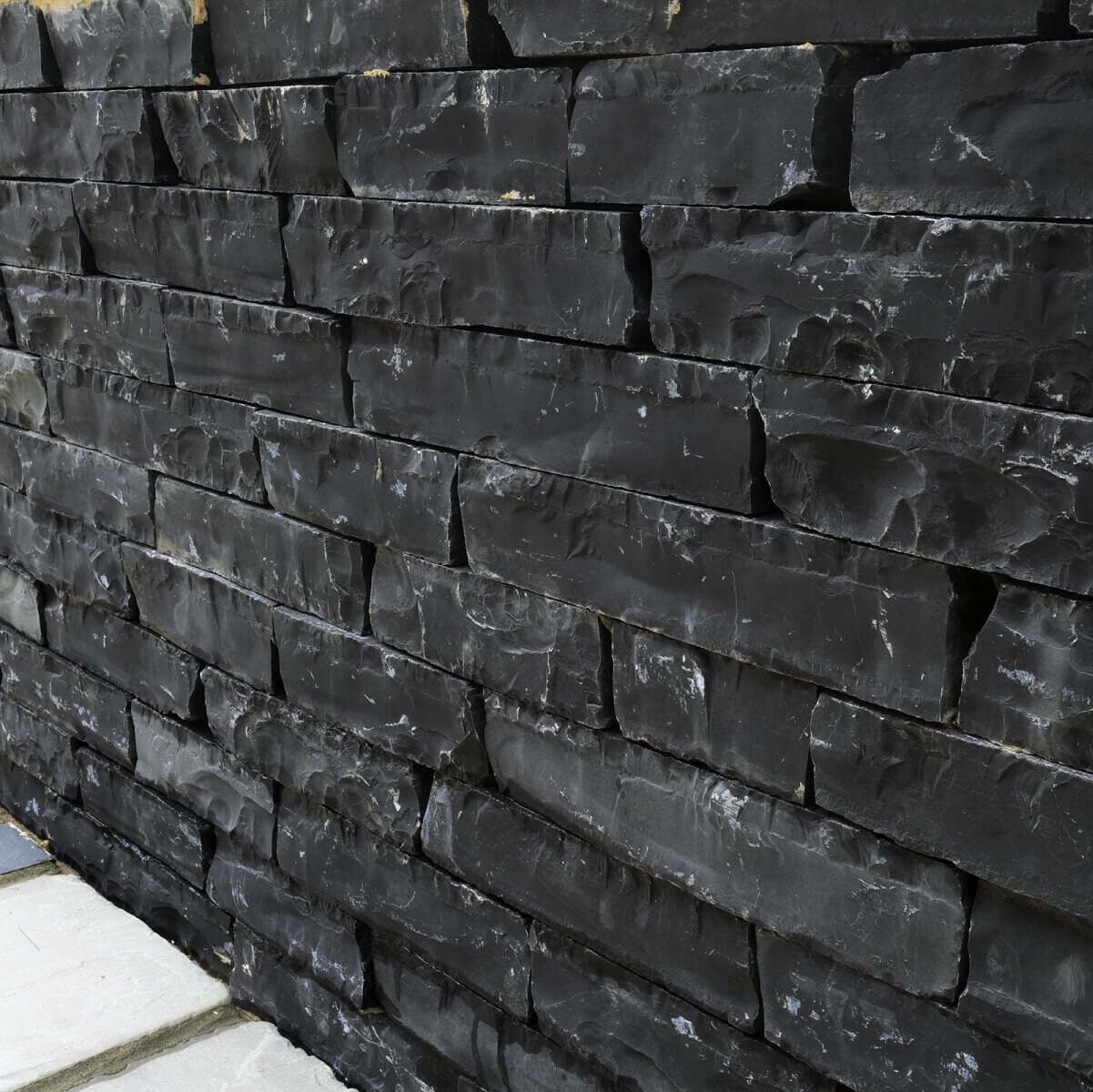
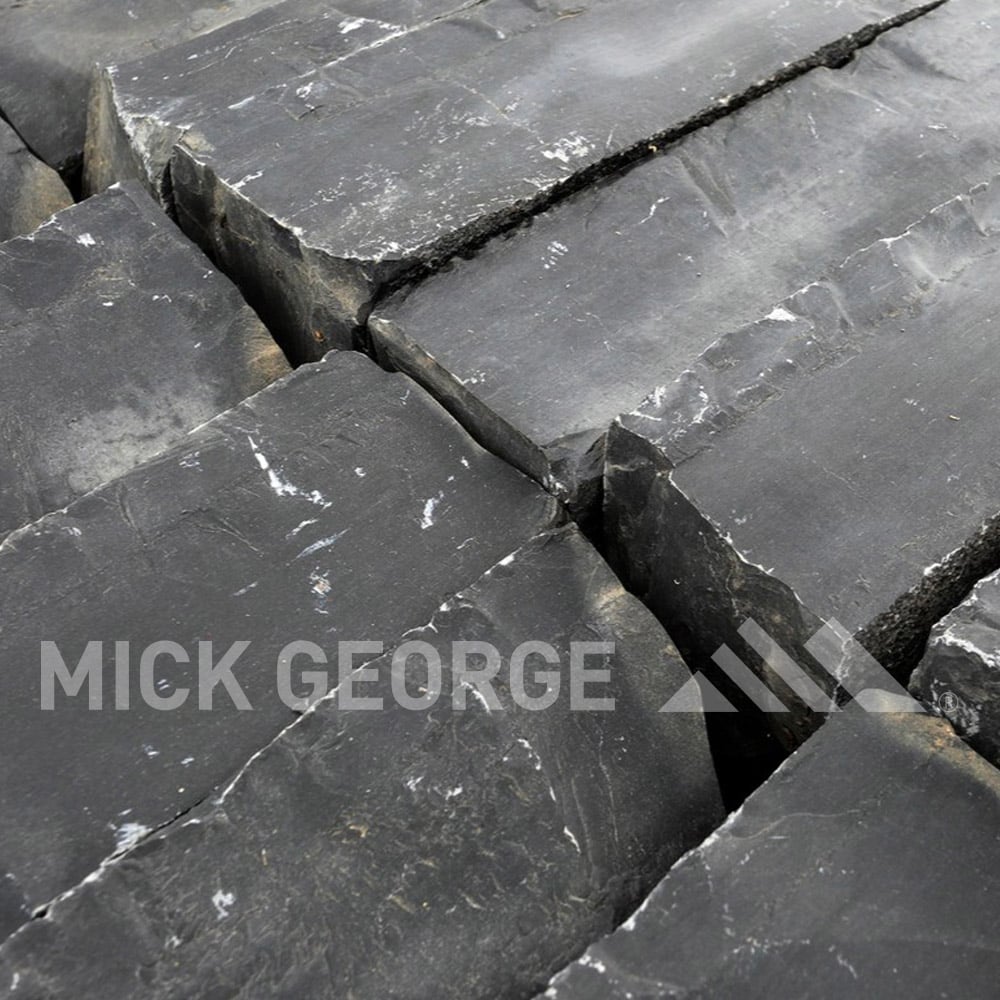
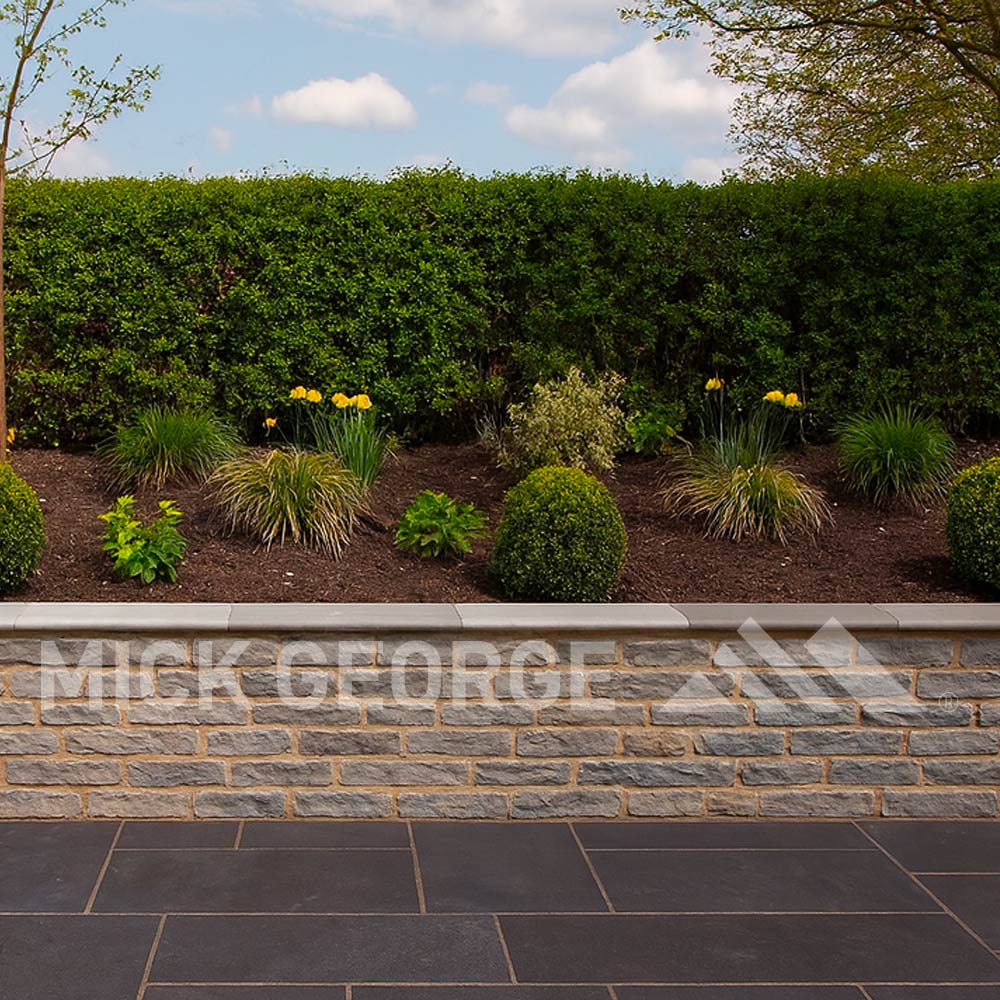
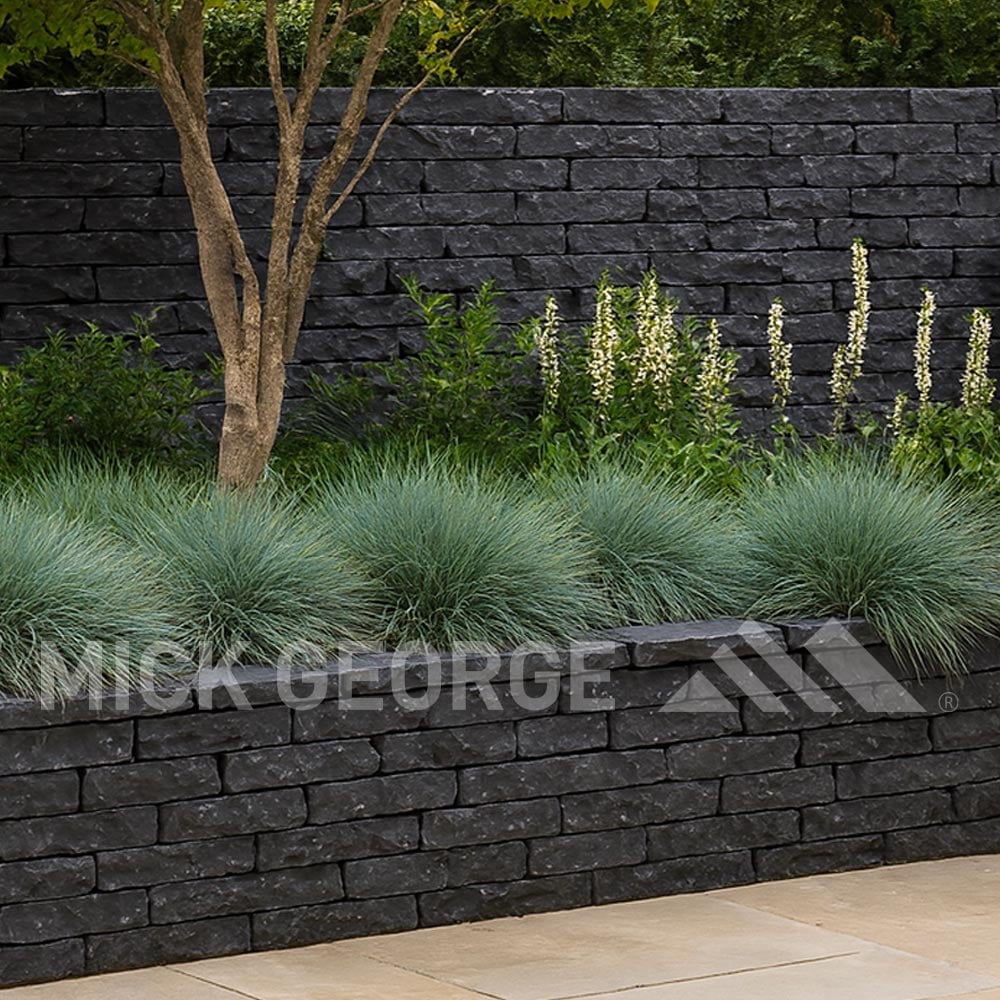
Black Limestone Walling Stone
- 0% Interest Available
- Great Quality & Quick Delivery
£98.40Original price was: £98.40.£93.71Current price is: £93.71.£112.45 Was£118.08 -
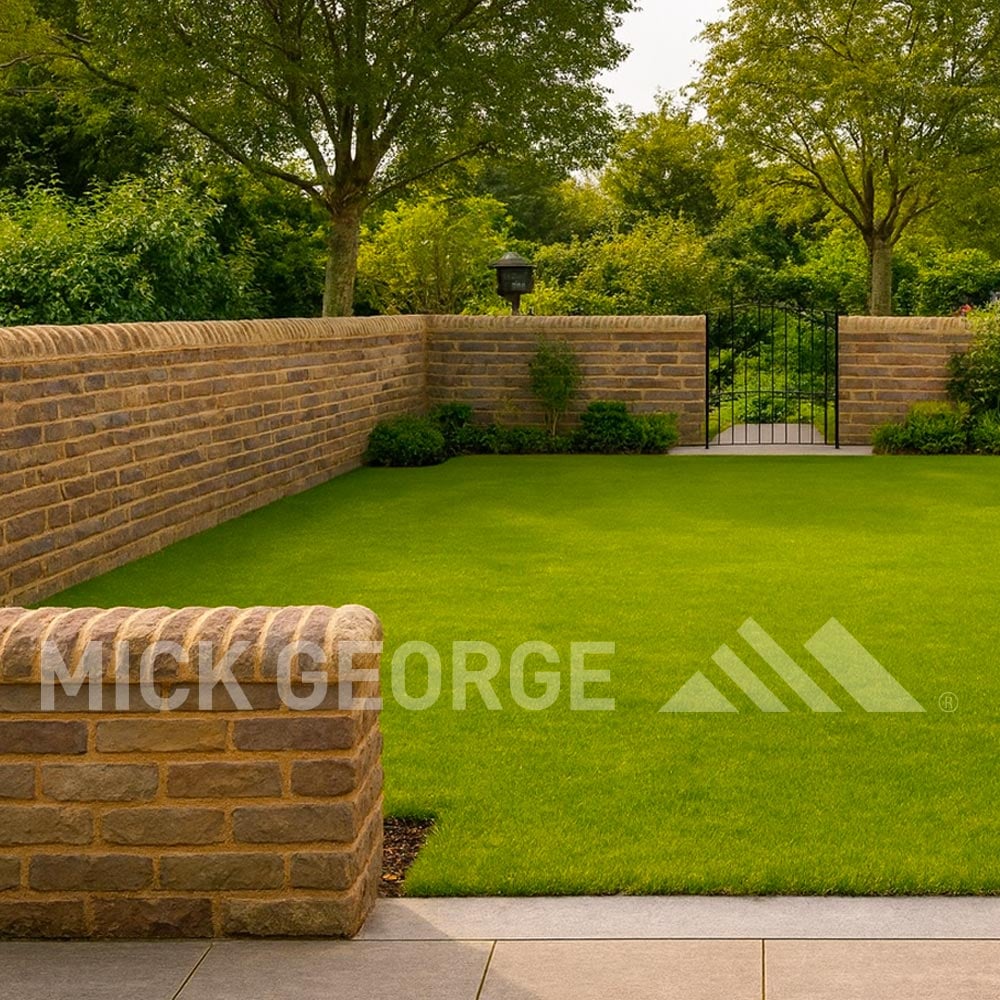
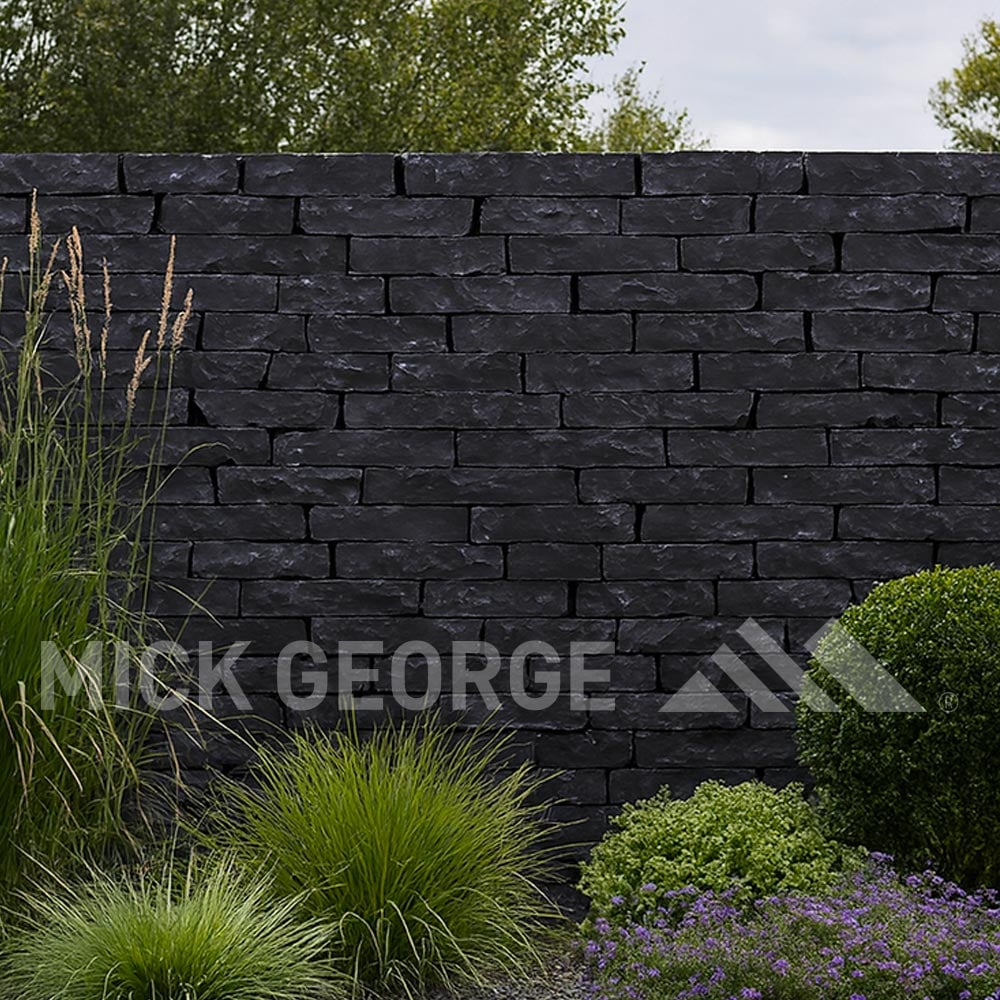
Fossil Sandstone Walling Stone
- 0% Interest Available
- Great Quality & Quick Delivery
-
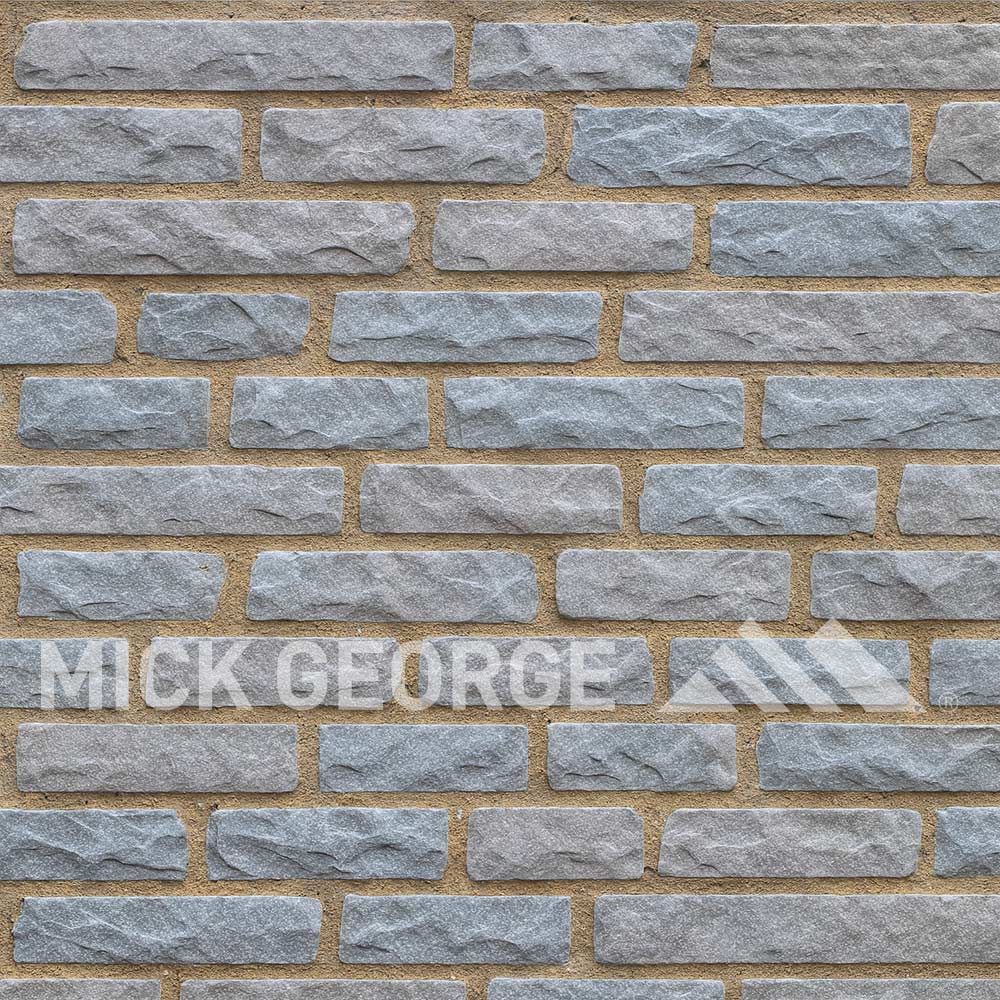
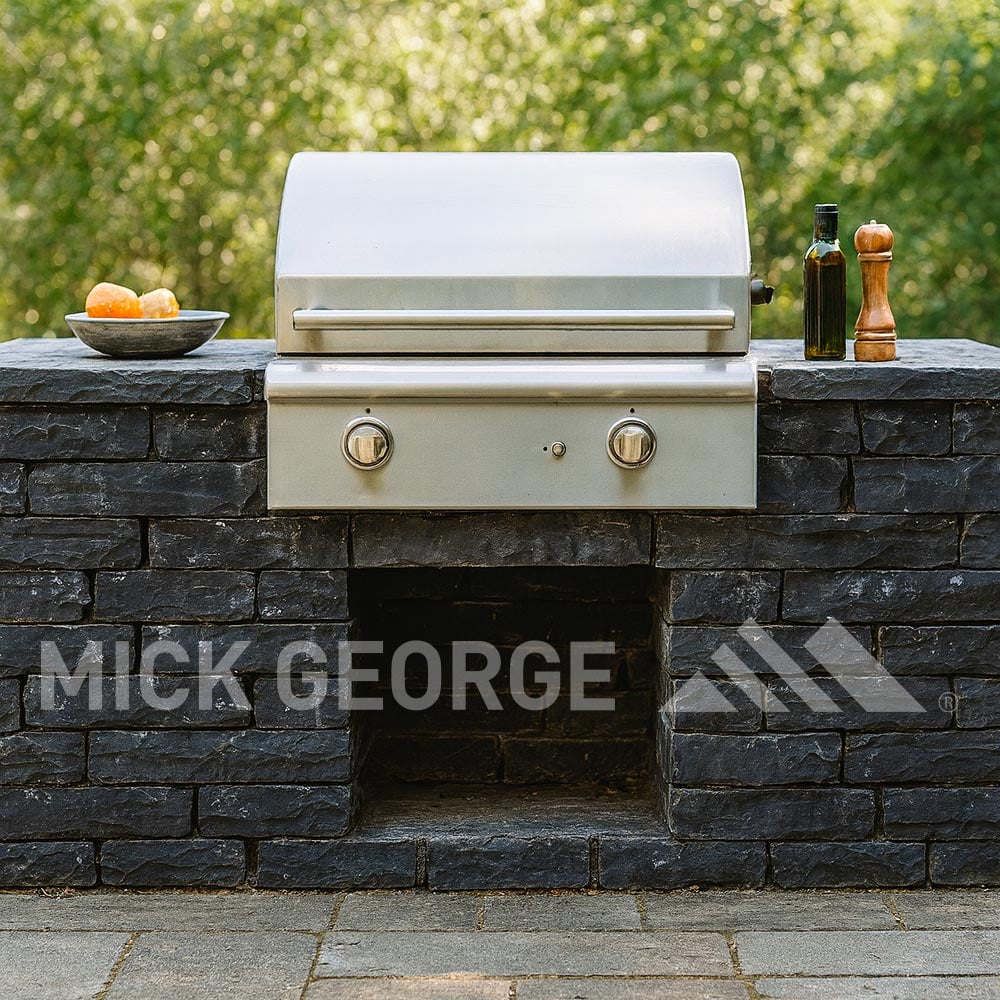
Kandla Grey Sandstone Walling Stone
- 0% Interest Available
- Great Quality & Quick Delivery
£62.47 per m² /£98.40Original price was: £98.40.£93.71Current price is: £93.71.£74.97 per m² / £112.45 Was£118.08 -
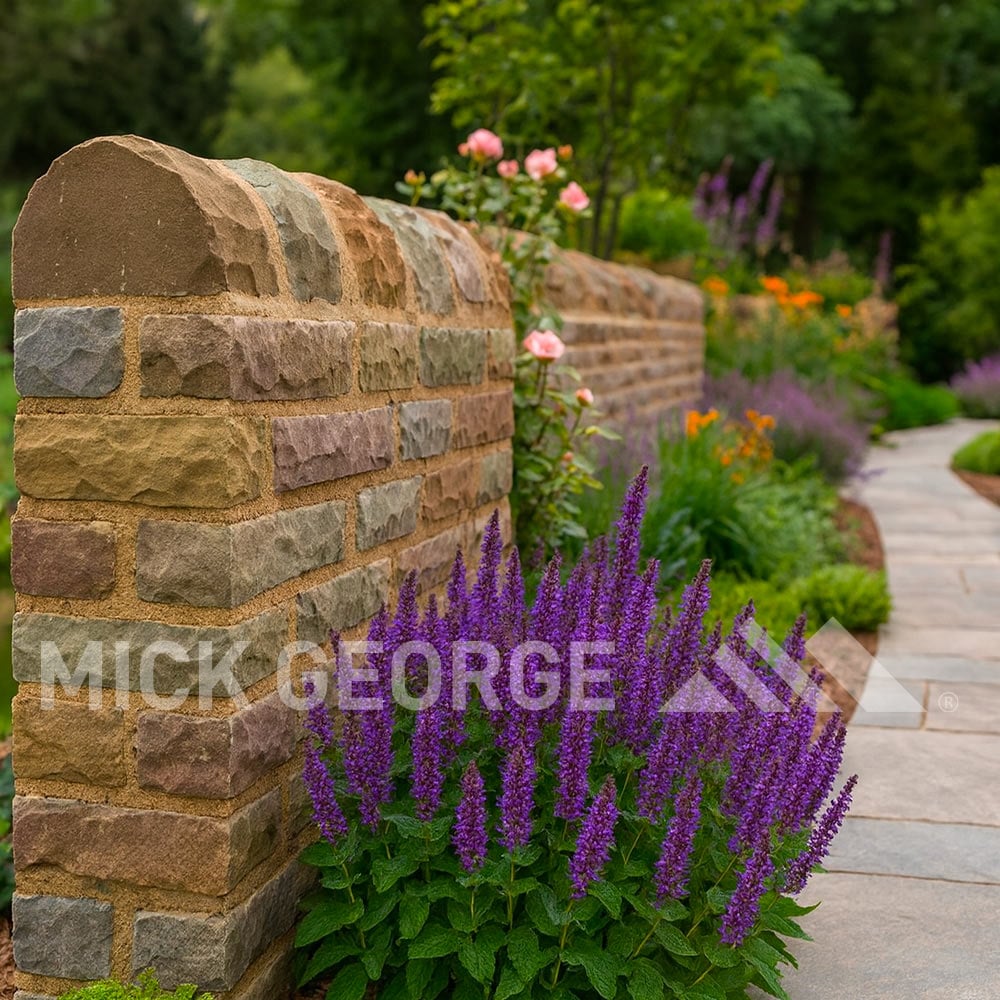
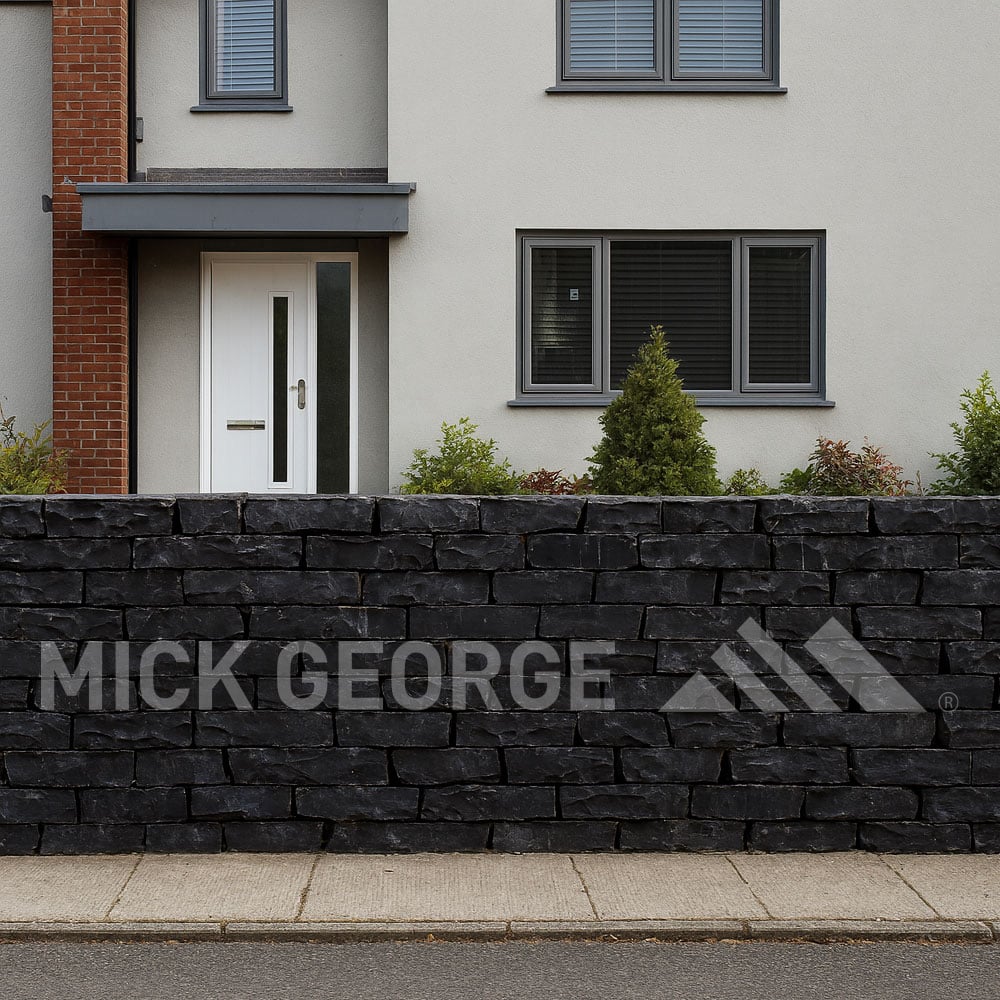
Raj Green Sandstone Walling Stone
- 0% Interest Available
- Great Quality & Quick Delivery
Frequently Asked Questions
What is walling stone?
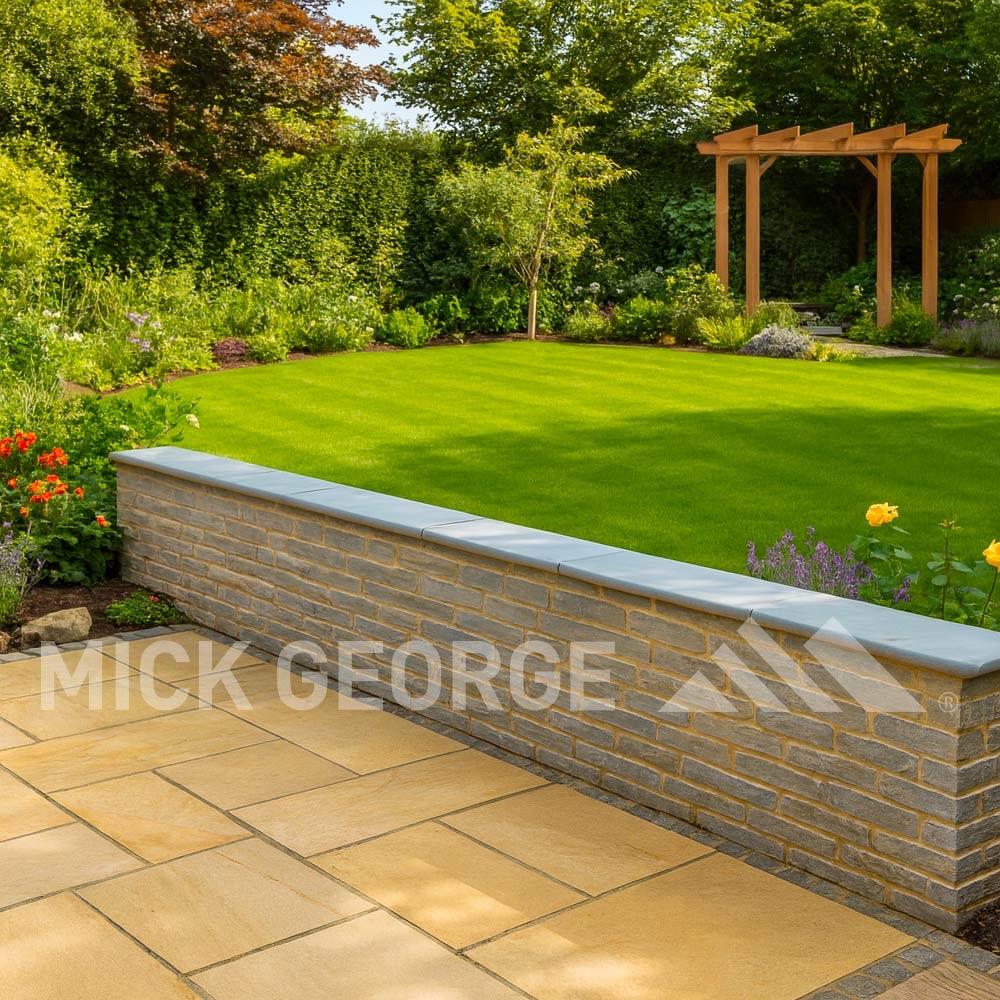
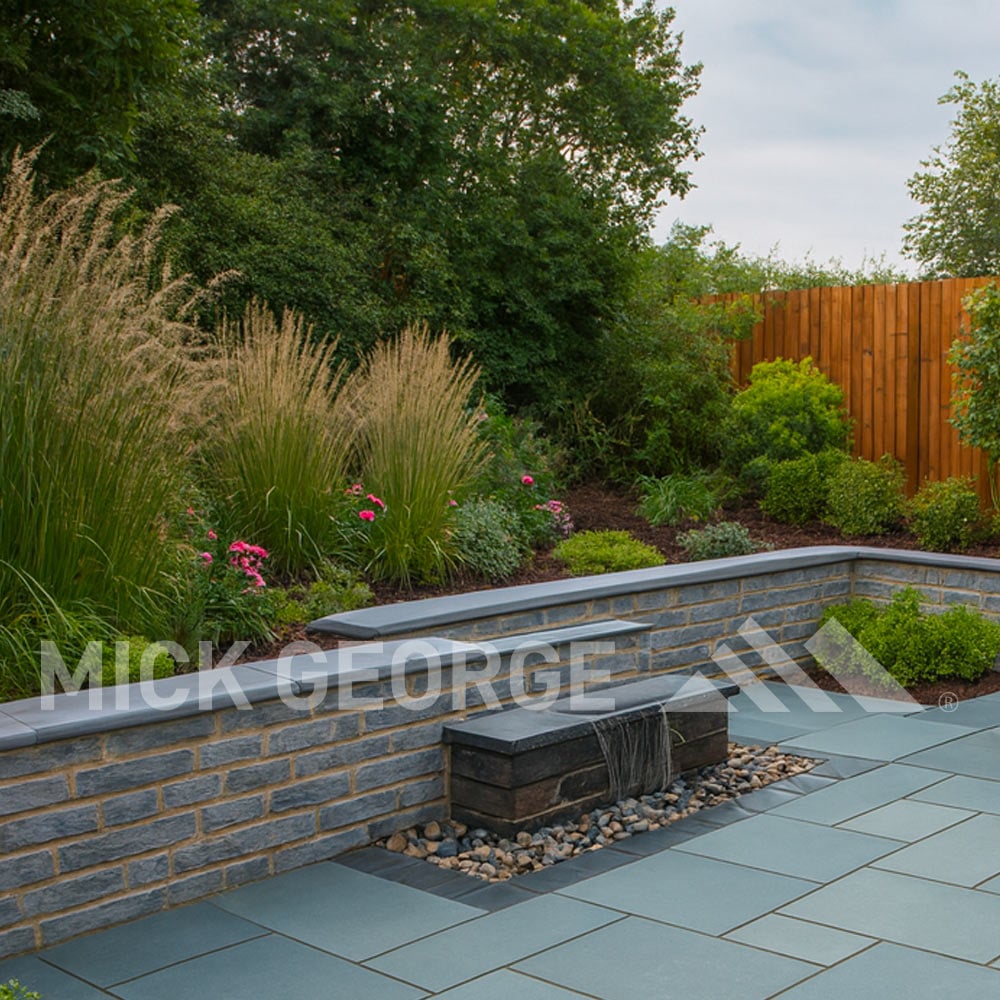
Exactly as it says on the tin! Walling stone is a perfect product for building a natural stone wall in any outdoor space.
Why is Walling Stone sold by weight?
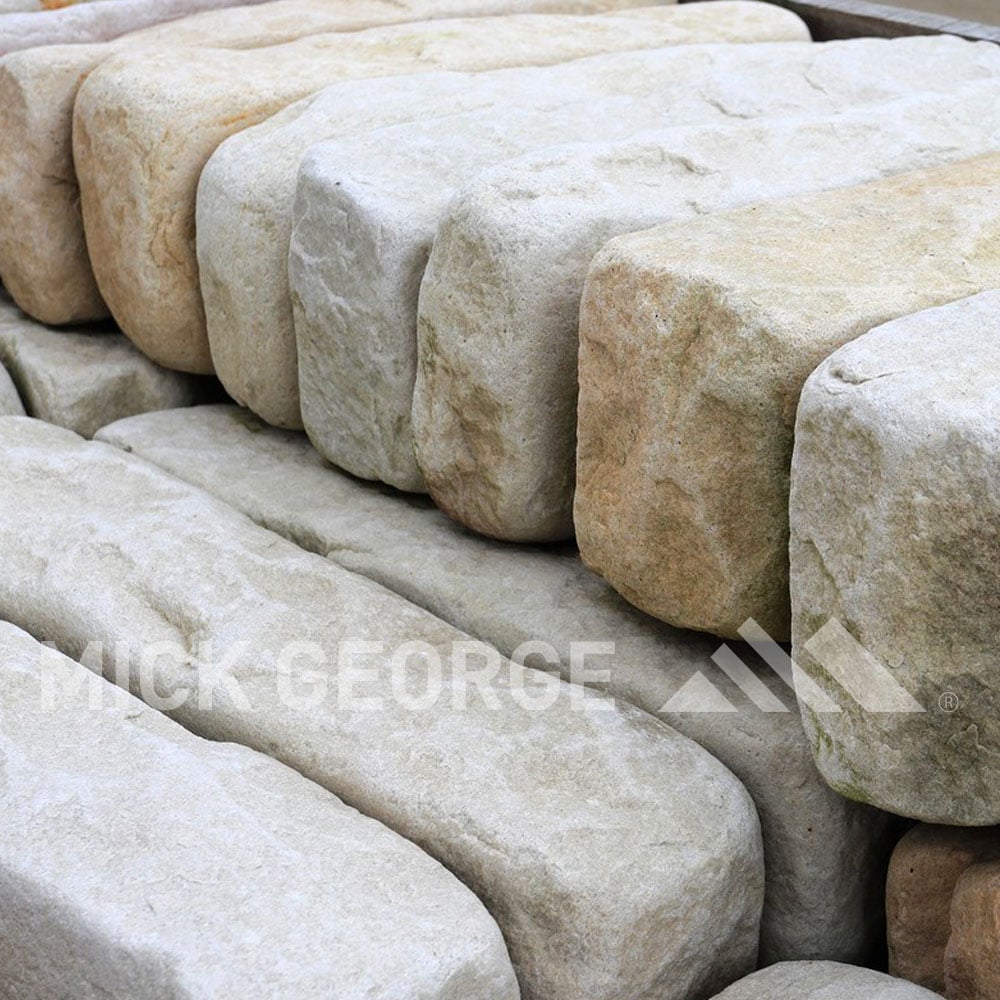
You’ll notice that you buy walling stone as in weight (e.g. 500kg) rather than coverage. This is because the stone has a varying thickness of, on average, 50-80mm. This means there isn’t a guarantee on coverage. We estimate what the coverage will be, but the stone is sold purely on weight.
How much walling stone do I need per square metre of wall face?
Allow roughly 170kg to 220kg of walling stone for each square metre of a single-skin wall face. Our packs cover about 4.5m² to 6m² per tonne, so a 250kg pack builds 1m² to 1.5m² and a 1,000kg pack 4.5m² to 6m². The spread exists because the stones vary in thickness, and a batch of thicker pieces cover less. Measure the length of the wall times its height, double it if both faces will be stone, and add around 10% for cutting and the odd broken piece.
What are the disadvantages of a natural stone garden wall?
Cost, build time and variation. Stone works out at around £62 per m² plus VAT before mortar and labour, more than concrete block, and because each piece is a different thickness the stones must be sorted into courses before laying, which makes it slower than brick. It is a job we recommend leaving to a professional if you have not built the wall before. The colour and surface vary from stone to stone, and dark stone such as Black Limestone can soften towards charcoal in strong sun. Packs arrive on pallets, so you need somewhere a lorry can drop them.
Can walling stone be built as a dry stone wall without mortar?
Yes, for low walls. Our walling stone has smooth top and bottom faces, so it can be dry laid as well as bedded in mortar, and raised beds, planter walls and edging up to around knee height are fine built that way with the stones coursed and bonded like brickwork. It is not a traditional dry stone wall, though: the pieces are 100mm deep, with no through-stones to tie two faces together, so anything taller, a boundary wall or a wall holding back soil should be built on mortar with a proper footing.
What mortar mix should be used with sandstone or limestone walling?
A fairly soft mix, around one part cement to five parts building sand with plasticiser, or one part cement, one part lime and six parts sand for a more traditional finish. Natural stone is softer than engineering brick, and a strong mortar will crack the stone before it cracks itself, so avoid anything richer than 1:4. Use a light-coloured sand with Kandla Grey or Raj Green so the joints do not jar, keep mortar off the faces as you go, and sponge any smears before they set, as sandstone marks easily.
How thick does a wall built from walling stone need to be?
Each stone is 100mm deep, so a single skin gives you a 100mm wall, which is enough for raised beds and garden walls up to about 600mm high. A free-standing boundary wall taller than that should be at least 215mm thick, built either as two skins of stone back to back or as a stone face tied to a concrete block backing, with piers every 3m or so. A wall holding back soil is a retaining wall and needs a thicker section, drainage behind it and ideally a structural check. Finish whichever you build with coping stones to match the wall width.
Will Raj Green or Kandla Grey walling stone match the paving of the same name?
The colour will, the texture will not be identical. The walling and the paving come from the same sandstone, so Raj Green walling carries the same browns, greys and hints of green as Raj Green paving, and Kandla Grey walling the same light-to-dark grey bend as Kandla Grey paving. The difference is in the finish: the paving is riven with hand-dressed edges, while the walling has tumbled or dressed in faces, so the wall reads slightly more rustic than the patio. Natural stone also varies from batch to batch, so order both at the same time if you can.
Are sandstone walling blocks a regular size or random sizes?
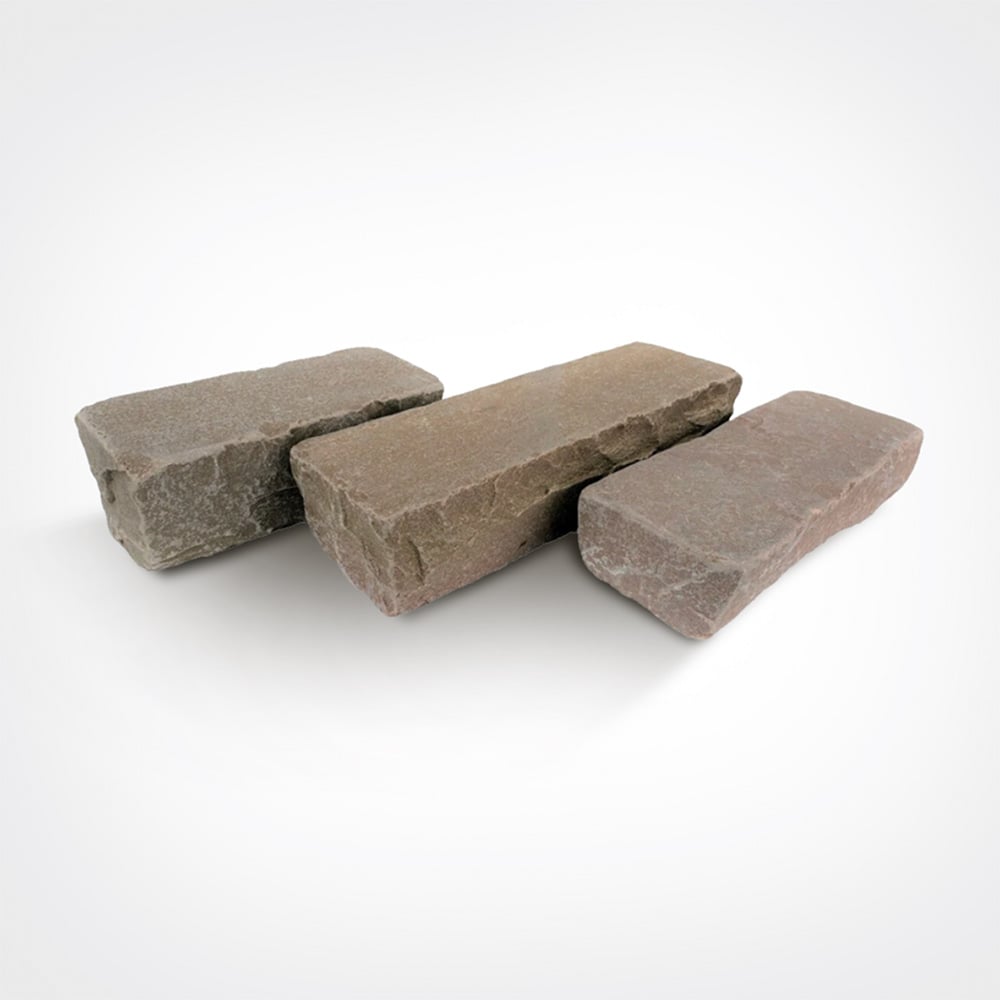
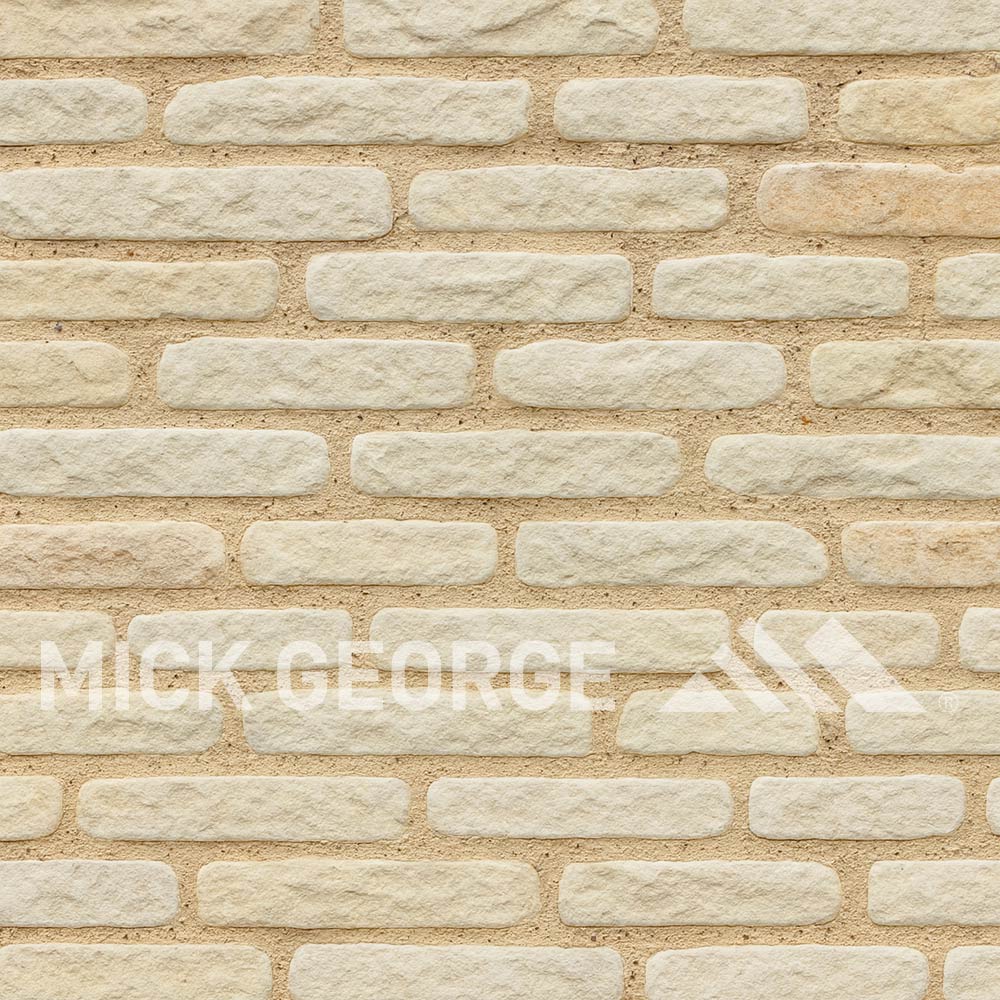
They come as mixed sizes, not one uniform block. Each pack contains three face lengths, 215mm, 270mm and 325mm, all 100mm deep, and the stones are between 50mm and 80mm thick. The varying thickness is deliberate: it is what gives a natural stone wall its character, but it means you course the stone first, sorting pieces into groups of similar thickness and laying each course from one group. The three lengths let you stagger the joints as you would with brick, so the wall bonds properly without cutting every piece.
Is walling stone sold by weight or by the pack?
By weight, in packs of 250kg, 500kg, 750kg and 1,000kg, priced per pack from around £94 plus VAT for 250kg. We sell it this way because the stones are not a fixed thickness, so the number of pieces and the area a pack covers cannot be guaranteed the way they can with paving slabs sold by the square metre. The coverage figures on each product page are estimates to help you order, and it is sensible to round up rather than down. Delivery is charged by postcode and number of pallets at checkout.
Get the latest news & offers