Commercial Cardboard & Paper Waste Bins
Cardboard and paper waste are among the most common materials generated by businesses, especially from packaging that’s discarded after use. Choosing a cardboard recycling collection service provides a simple, sustainable, and cost-effective way to dispose of your waste responsibly, helping your business reduce landfill use and improve environmental performance.Home / Commercial Waste Bins / Cardboard & Paper Waste Bins
Material
Capacity
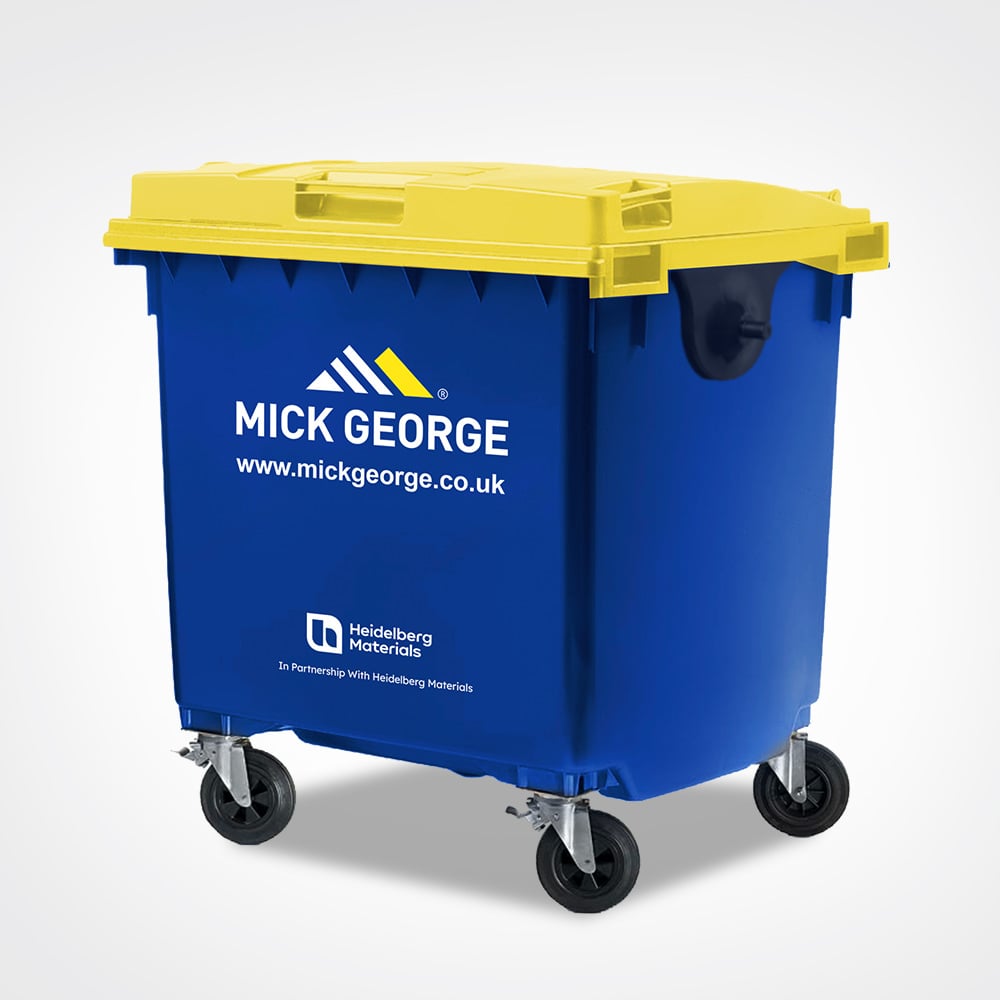
- 1100 Litres (1)
- 360 Litres (1)
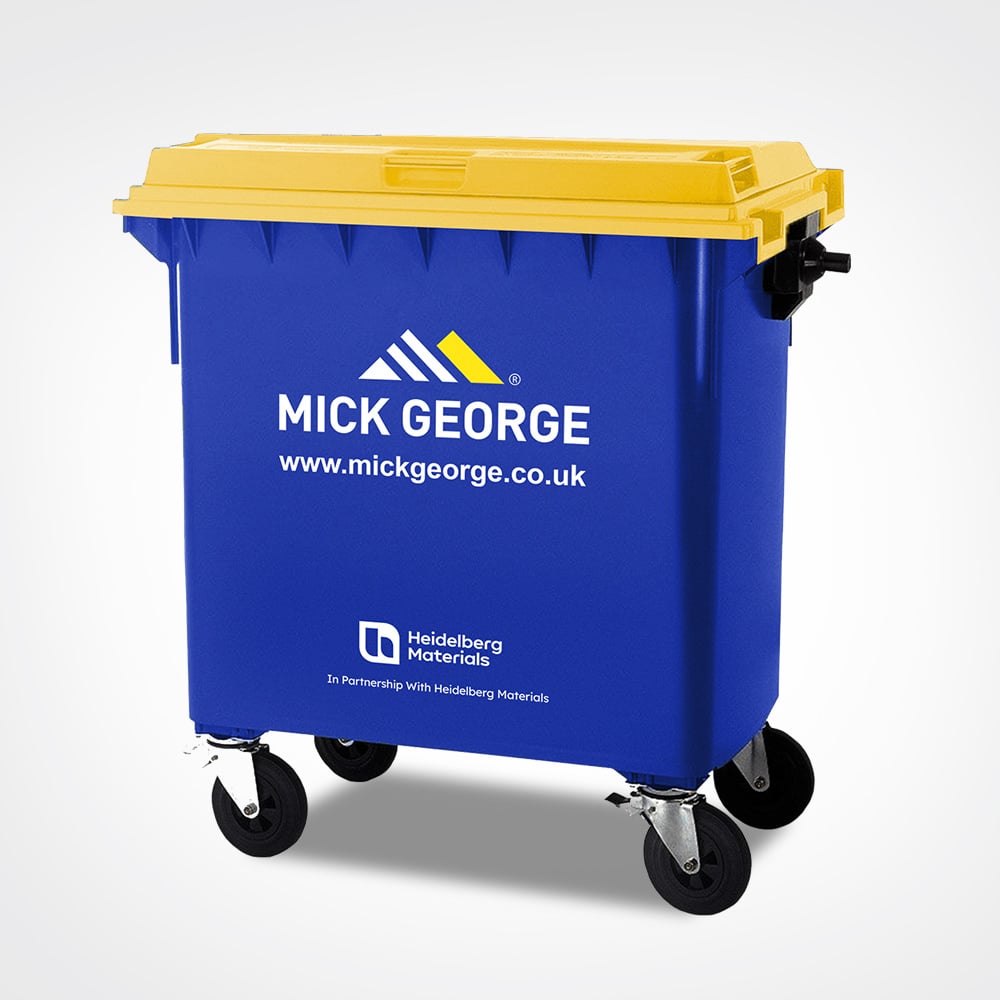
- 660 Litres (1)
Price
Frequently Asked Questions
Who Needs Commercial Cardboard Waste Collection?
Nearly every business generates cardboard waste in some form, from small office packaging and food boxes to large volumes from retail and hospitality operations.
Companies such as restaurants, retailers, caterers, distributors, and wholesalers often produce significant amounts of cardboard that require regular commercial recycling collections.
Whether you need occasional pickups or a scheduled service for bulk waste, professional cardboard recycling helps keep your business sustainable, compliant, and clutter-free.
Is it okay to leave tape on cardboard when recycling?
Yes. Small amounts of parcel tape, labels and staples can stay on; they are screened out when the cardboard is pulped and do not stop a box being recycled. Remove what comes off easily, particularly long strips of plastic tape and large plastic labels or windows, because less contamination gives a cleaner bale and a better rebate price. What matters far more than tape is keeping the cardboard clean and dry: a greasy or soaked box is rejected where a taped one is not. Polystyrene inserts, bubble wrap and plastic strapping must come out before the box goes in the bin.
Can I get paid for old cardboard?
Yes, if you produce enough of it. Clean, dry cardboard is a traded commodity, and we pay a waste rebate for baled cardboard sold back into the recycling market. The rebate applies to bulk volumes, typically from businesses that compact cardboard on-site with a baler, rather than to a wheelie bin of flattened boxes, where the collection charge still applies. Prices follow the recycled paper market and move up and down, so the rebate is quoted at the time. For most small businesses the saving comes from cheaper collection rather than a payment.
How do I get rid of large volumes of commercial cardboard?
Use an 8 yard front end loader (FEL) container, a baler or compactor, or several 1,100 litre bins. An FEL container holds around 6,000 litres, roughly 70 bags of flattened cardboard, is emptied on-site and costs £50.00 ex VAT per collection. Sites producing cardboard by the pallet load are better off with a baler or compactor, which reduces storage space and turns the material into bales that earn a rebate instead of costing money to remove. For a one-off clearance, a skip or roll-on roll-off container is quicker than repeat bin collections.
Does cardboard need its own bin, or can it go in dry mixed recycling?
Either works, but a dedicated cardboard and paper bin is cheaper and keeps the material cleaner. Cardboard is accepted in dry mixed recycling, and the workplace recycling rules allow paper and card to be collected with other dry recyclables where the collector accepts it. Separating it makes sense once you fill more than a bin or two a week: a 1,100 litre cardboard bin costs less per collection than the same bin for mixed recycling, the fibre is not contaminated by bottle residue, and clean, segregated card is what qualifies for a rebate. Mixed bins suit small offices; separate bins suit shops, warehouses and anyone receiving regular deliveries.
Can shredded or confidential paper go in a cardboard and paper bin?
Shredded paper yes, loose in the bin or in a paper sack rather than a plastic bag. The shreds are pulped with the rest of the paper, though they are low value because the fibres are short. Putting confidential paper in a recycling bin, shredded or not, is not a secure destruction service: a wheelie bin is not locked at the facility and there is no certificate of destruction. For anything covered by data protection rules, use a confidential shredding service that provides a destruction certificate, or shred on-site with a cross-cut shredder before the paper goes in the bin.
Can wet cardboard still be recycled?
Damp cardboard can usually be recycled; soaked cardboard often cannot. Water weakens the fibres and a sodden load weighs several times more, pushing a bin past its weight limit and sometimes causing the whole collection to be rejected or charged as general waste. Mick George accepts clean and dry cardboard, so the practical rule is to keep the bin lid closed, flatten boxes so they fit inside, and store spare boxes under cover until collection day. Cardboard that has been rained on for weeks or has started to go mouldy should go in the general waste bin.
Can waxed, laminated or coated cardboard be recycled?
Not in a cardboard and paper bin. Wax-coated produce boxes, plastic-laminated card and foil-lined packaging cannot be pulped with ordinary cardboard and are treated as contamination, so they belong in general waste. The test is the tear: plain cardboard tears cleanly and the edge looks fibrous, while coated card tears to show a plastic film or has a glossy, waterproof feel. Drinks cartons are the exception and are accepted, as they go to a specialist reprocessor. Standard printed, glossy-looking retail packaging is normally fine because the finish is a thin varnish rather than a plastic layer.
Why is cardboard the cheapest commercial waste stream to have collected?
Because it has resale value and costs almost nothing to dispose of. General waste is charged landfill tax or energy-from-waste gate fees per tonne, whereas clean cardboard is sold on to paper mills, so the collection price only has to cover the lift and transport. That is why a 1,100 litre cardboard and paper bin costs £9.00 ex VAT per collection, a 660 litre bin £8.00 and a 360 litre bin £7.00, less than the equivalent mixed recycling bin and well below general waste. The more cardboard you keep out of the general bin, the lower your total bill, and in volume it stops costing money altogether and starts earning a rebate.
Get the latest news & offers