Volatile Organic Compounds
Volatile organic compounds are compounds that have a high vapor pressure and low water solubility. Many VOCs are human-made chemicals that are used and produced in the manufacture of paints, pharmaceuticals, and refrigerants.


Volatile Organic Compounds
VOCs (volatile organic compounds) are a dangerous contaminant of groundwater, leading to groundwater pollution. They are generally introduced to the environment through careless industrial practices.
Naturally occurring volatile organic compounds are typically quite rare compared to other natural soil gases such as methane or carbon dioxide, so in most cases building designers will be dealing with pollutants arising from the historical uses of sites.
Where are VOCs found?
Volatile organic compounds (VOCs) are compounds that have a high vapor pressure and low water solubility, commonly emitted as gases from certain solids or liquids.
Many VOCs are human-made chemicals that are used and produced in the manufacture of paints, pharmaceuticals, and refrigerants.
VOCs are often industrial solvents, such as trichloroethylene; fuel oxygenates, such as methyl tert-butyl ether (MTBE); or by-products produced by chlorination in water treatment, such as chloroform.
VOCs can also be components of petroleum fuels, hydraulic fluids, paint thinners, and dry cleaning agents and are common ground-water contaminants.
The Mick George Group are experts in treating site contamination and can help ensure your site is suitable for construction.
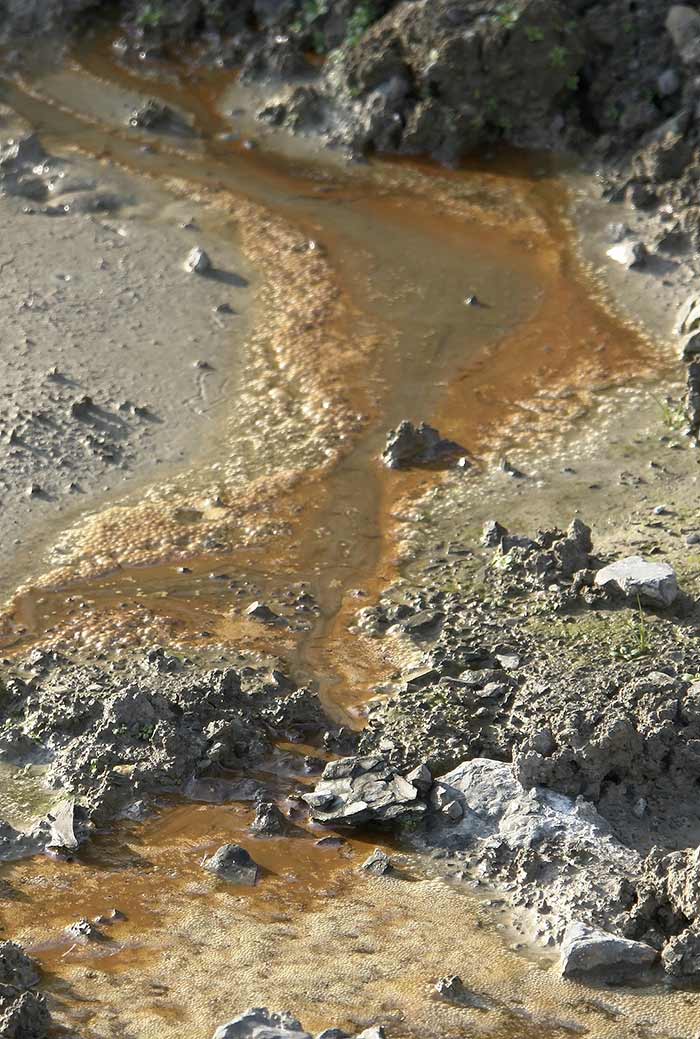
VOC Site Contamination
The UK’s industrial heritage leaves us with a legacy of brownfield sites, many of which operated at a time when there were no consequences of discarding waste such as VOCs on or under the ground.
Today, the risks from exposure to chemicals are well understood, and the storage, use and disposal of chemicals such as VOCs are all closely regulated.


Fusion Project Managment
Environmental Testimonial
On behalf of the College’s Head of Estates and I, we would like to state how extremely pleased we both are with how the Environmental works have been managed.

Peter Smith Associates
Environmental Testimonial
The efficient service and endeavour to go beyond the original scope of works has meant that the Environmental works have been conducted smoothly from start to finish. Thanks to all your team for their professionalism and friendliness.
Latest Environmental & Construction News
-

Mineral Products Leading Sustainable Growth
A recent industry wide report has found that on average, everyone in the UK relies on around 5.8 tonnes of mineral products each and every year.
-

Cement industry reports 25% CO2 reduction
A new global report finds that the cement industry has reduced the CO2 intensity of cementitious products by 25% since 1990.
-

Demand for circularity in construction on the rise
A recent report asked 500 UK decision makers from the UK construction industry to share their views regarding sustainable material solutions.

Get the latest news & offers