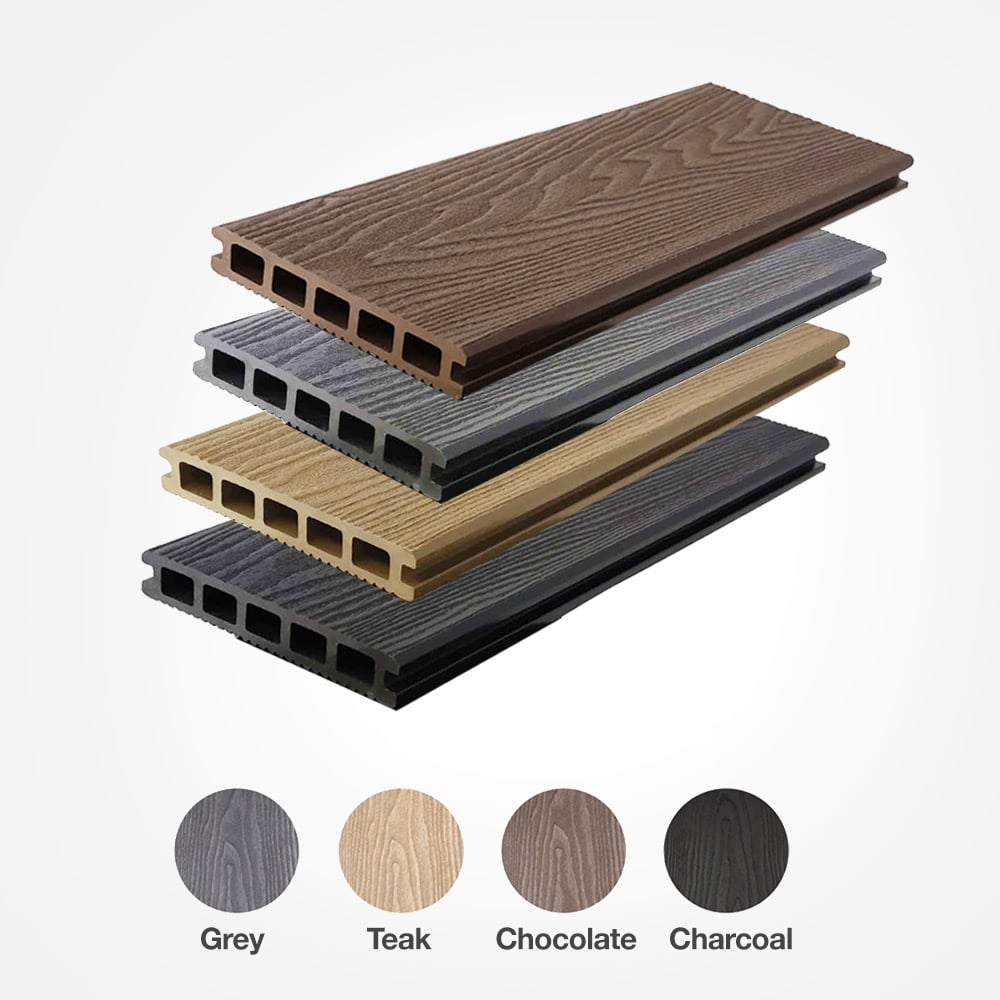
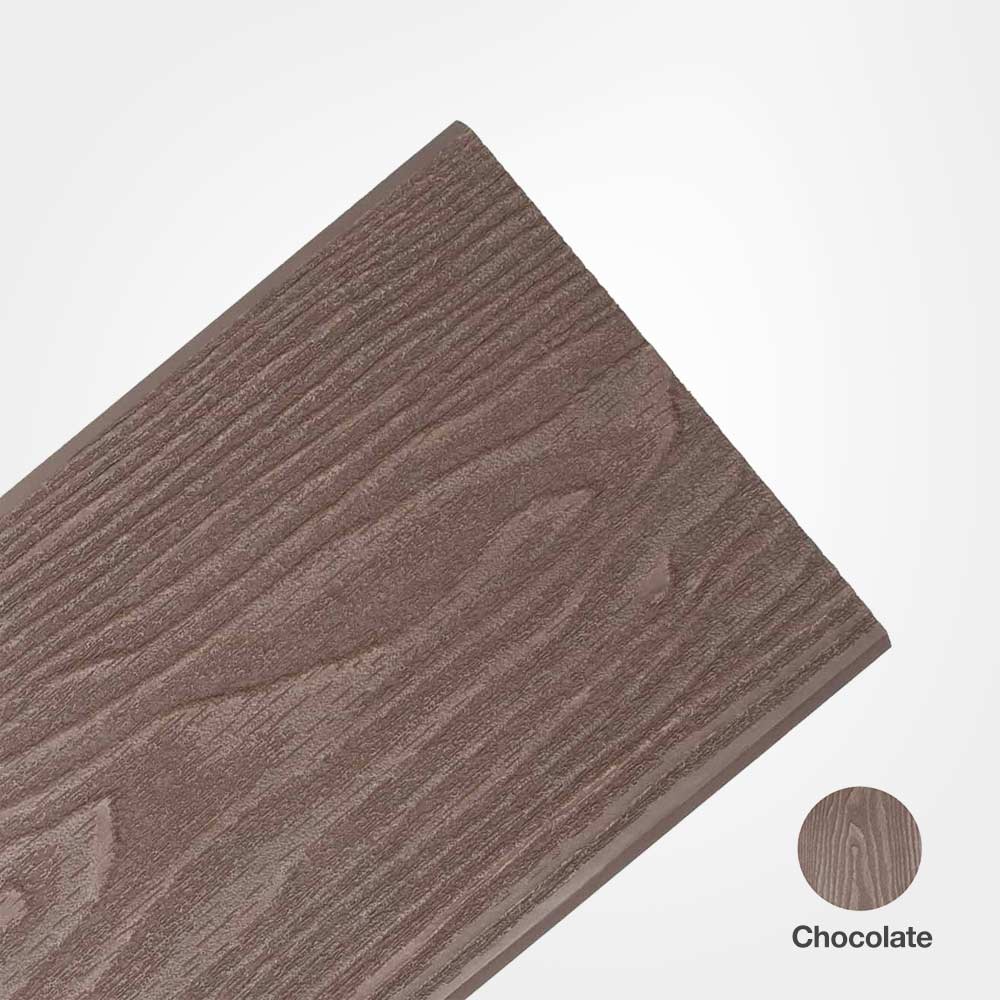
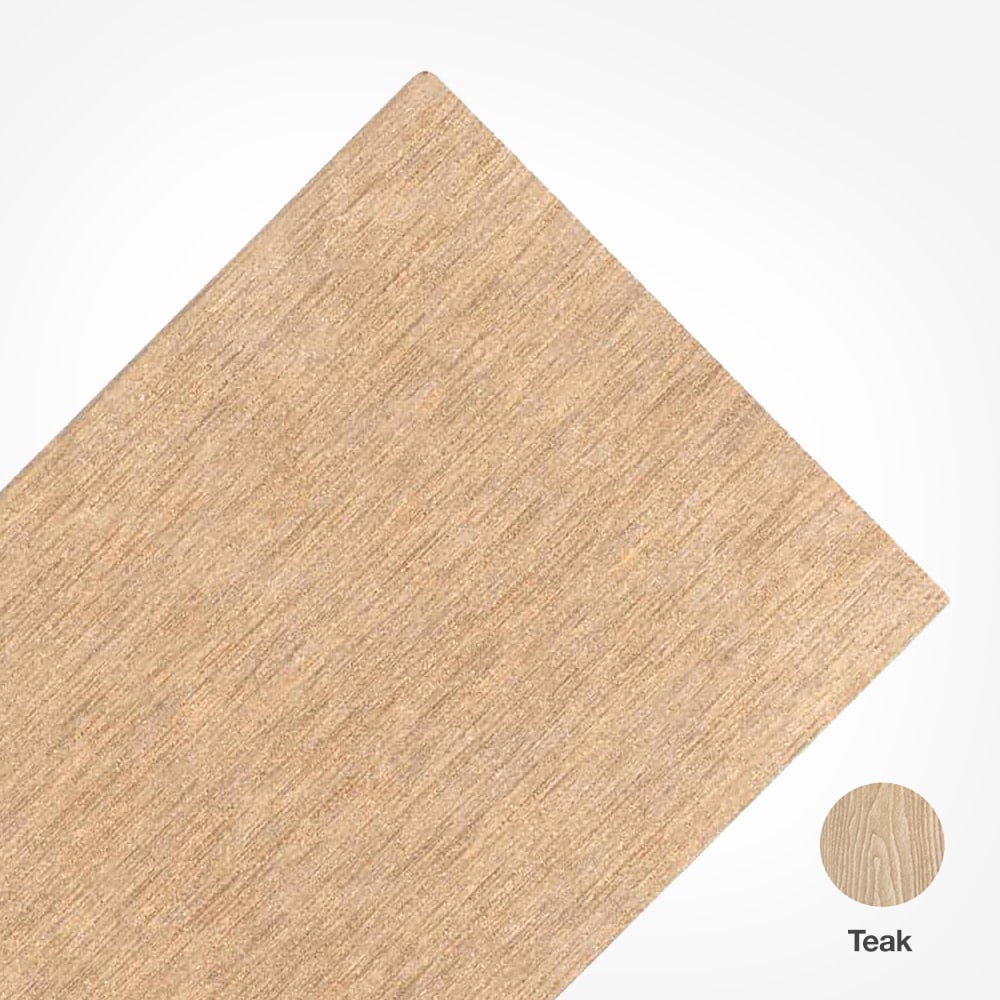
Composite Decking
Composite decking is an innovative outdoor flooring solution that is engineered to better withstand the damaging effects of weathering.Material
- Composite (5)
- Stainless steel (4)
Colour
Size
Length
- 3600mm (5)
Width
Thickness
Accessory
- Fixing (2)
Application
- Corner Trim (1)
- Skirting Trim (1)
Density
Price
-
Core Composite Decking Board
- Multiple Colours
- Eco Friendly
From £17.60 Was£18.36From £21.12 Was£22.03 -
Core Composite Decking Skirting Trim
- Multiple Colours
- Eco Friendly
From £16.10 Was£16.80From £19.32 Was£20.16 -
Core Composite Decking Corner Trim
- Multiple Colours
- Eco Friendly
From £16.10 Was£16.80From £19.32 Was£20.16 -
Core Composite Fascia Board
- Multiple Colours
- Eco Friendly
From £23.00 Was£24.00From £27.60 Was£28.80 -
Core Composite Edge Board
- Multiple Colours
- Eco Friendly
From £26.45 Was£27.60From £31.74 Was£33.12 -
Core Composite Decking Starter Clips – Pack of 100
- Stainless Steel
- Long Lasting
£32.20 Was£33.60£38.64 Was£40.32 -
Core Metal FastClip Set – Pack of 100
- Stainless Steel
- Long Lasting
£32.20 Was£33.60£38.64 Was£40.32 -
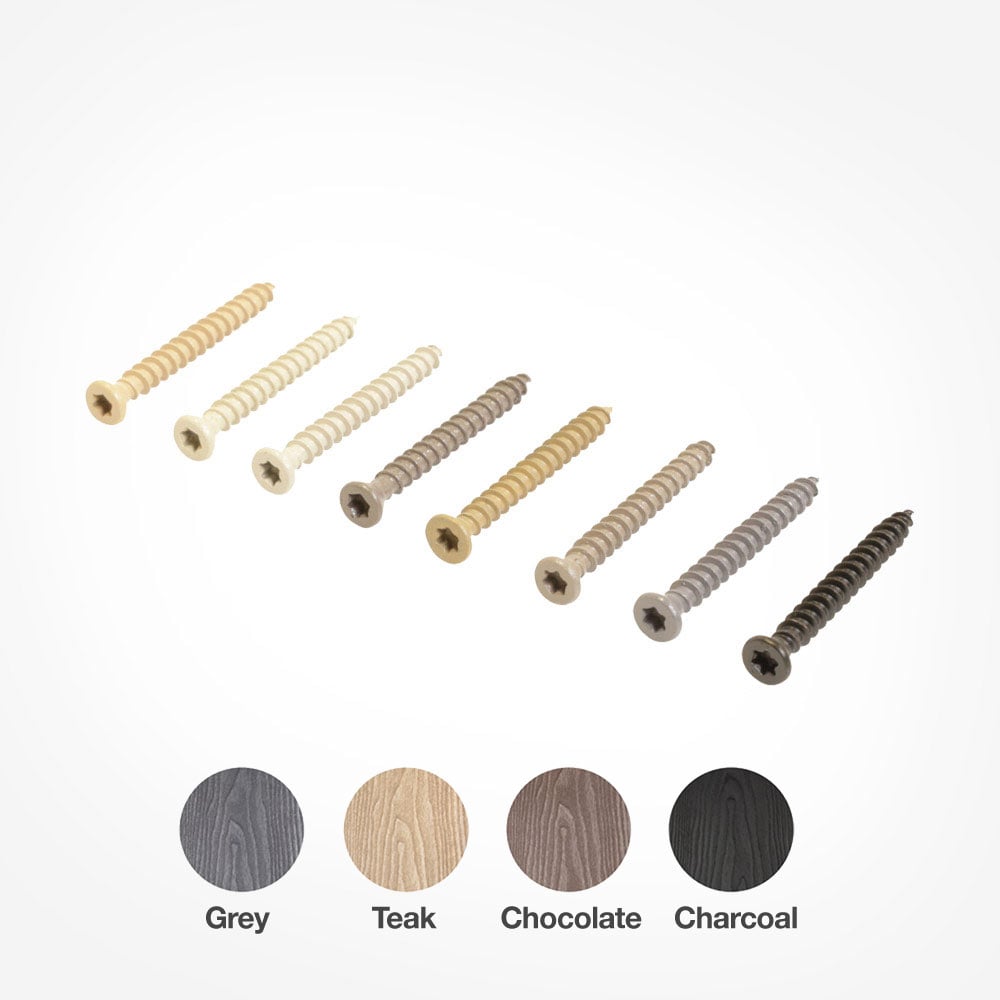
Coloured Decking Screws
- Multiple Colours
- Eco Friendly
From £20.70 Was£21.60From £24.84 Was£25.92 -
Coloured Trim Screws
- Multiple Colours
- Eco Friendly
From £18.40 Was£19.20From £22.08 Was£23.04
Frequently Asked Questions
What is Composite Decking?
Consisting of a unique blend of wood fibres and recycled plastic, composite decking provides excellent resistance to the effects of weathering that often plague more traditional timber decking products.
The plastic content of the material means that the boards become more durable and resistant to rot, damp and insects. The boards never have to be sealed, stained or painted and even in direct sunlight they won’t warp or crack.
Where is Composite Decking Used?
Composite decking is becoming an increasingly popular choice for decks and other outdoor structures. Composite decking has minimal water absorption which means they are highly slip resistant and can be used around pools and wet areas.
Due to the increased durability of the boards, composite decking has a much longer lifespan than its wooden ancestors. Our Composite decking ranges come with a 15-25 year guarantee, but we would expect them to last much longer.
What are the downsides of composite decking?
The main downsides are a higher upfront cost than treated timber, boards that get noticeably warm in the direct summer sun (darker colours most of all), and a surface that cannot be sanded or re-stained if it is scratched or you tire of the colour. Composite is also heavier than timber and needs joists set closer together, which adds to the frame cost. Cheaper hollow boards can sound drummy underfoot and trap water in with the voids if the ends are left uncapped. Mick George’s core composite decking boards are supplied with matching trims and end caps to deal with that last point.
Is composite decking really worth it?
For most people who plan to keep the deck for ten years or more, yes. Composite costs more on the day but removes the oiling, staining and board replacement that timber needs every couple of years, and it does not splinter, rot or go green with algae. It is less worth it for a short-term fix, a rental property you will leave, or a deck in full shade where timber would last well anyway. The decking page compares lifetime maintenance costs for timber and composite in more detail.
Should I leave a 3mm or 6mm gap between composite decking boards?
Leave the gap the clip sets, which for Mick George’s Core boards is fixed by the FastClip between each board, so the side-to-side spacing is not a choice you need to make. The 3mm or 6mm question really applies to the ends of boards, where composite expands lengthways with heat: use the wider gap if you are laying on a cold day, as the boards will grow in summer, and the smaller gap if laying in warm weather. Leave it at least 20mm between the deck and any wall or post so the boards can move.
Can you jet wash composite decking?
Yes, provided you keep the pressure low and the nozzle moving. Use a fan nozzle rather than a pinpoint jet, keep it at least 30cm from the surface and work along the length of the boards, not across them. A pressure washer that strips paint will also scour the embossed grain off a composite board, so a bucket of warm soapy water and a stiff brush is the safer routine clean, with the jet wash saved for stubborn algae or a once-a-seasons rinse.
What ruins composite decking?
Standing water and poor airflow under the deck ruin composite faster than anything else, because moisture trapped against the underside encourages mould and swells the wood fibre in the board. Other common causes are boards laid tight with no expansion gaps, rubber-backed mats and planters left in one spot, dropped fat from a barbecue, hot coals or chimineas, and harsh solvent cleaners. Keeping leaves and moss brushed off and the frame ventilated avoids most problems; the framing page explains how much airflow a deck needs underneath.
How much does composite decking cost per square metre?
Mick George’s Core composite decking boards start from around £17.60 per board ex VAT, which works out at roughly £35 per square metre for the boards alone once you allow a cutting margin of around 10%. On top of that, budget for starter clips and FastClips, skirting or fascia trims to hide the board ends, coloured screws, and the joists, which need closer centres than a timber deck. As a rule of thumb, allow a further 25 to 35% of the board costs for clips and trims on a straightforward rectangular deck. Review these figures when prices change.
Can composite decking be laid on an existing timber deck frame?
Yes, if the frame is sound, level and the joists are close enough together. Composite is heavier and more flexible than timber, so joists must usually be no more that 400mm apart, which often means adding extra joists or noggings to an old frame built at 600mm centres. Check every joist for rot, replace anything soft, and strip the old timber boards off completely rather than laying over them, as they will trap moisture under the new deck. The decking joists page covers the right spacing for composite.
How are composite decking boards fixed down?
Core composite boards are fixed with hidden clips rather than face screws. A starter clip screws to the joist along the first edge, then each board slots in the FasterClips, which sit in the grooved edge of the board and are screwed down to every joist before the next board slides in. The result is an even gap with no visible screw heads. Trims, fascias and skirting boards are fixed with the matching colour-coded screws so the fixings disappear. Each board needs a clip at every joist, so count joists before ordering the FastClip sets.
Get the latest news & offers