Wall Cladding
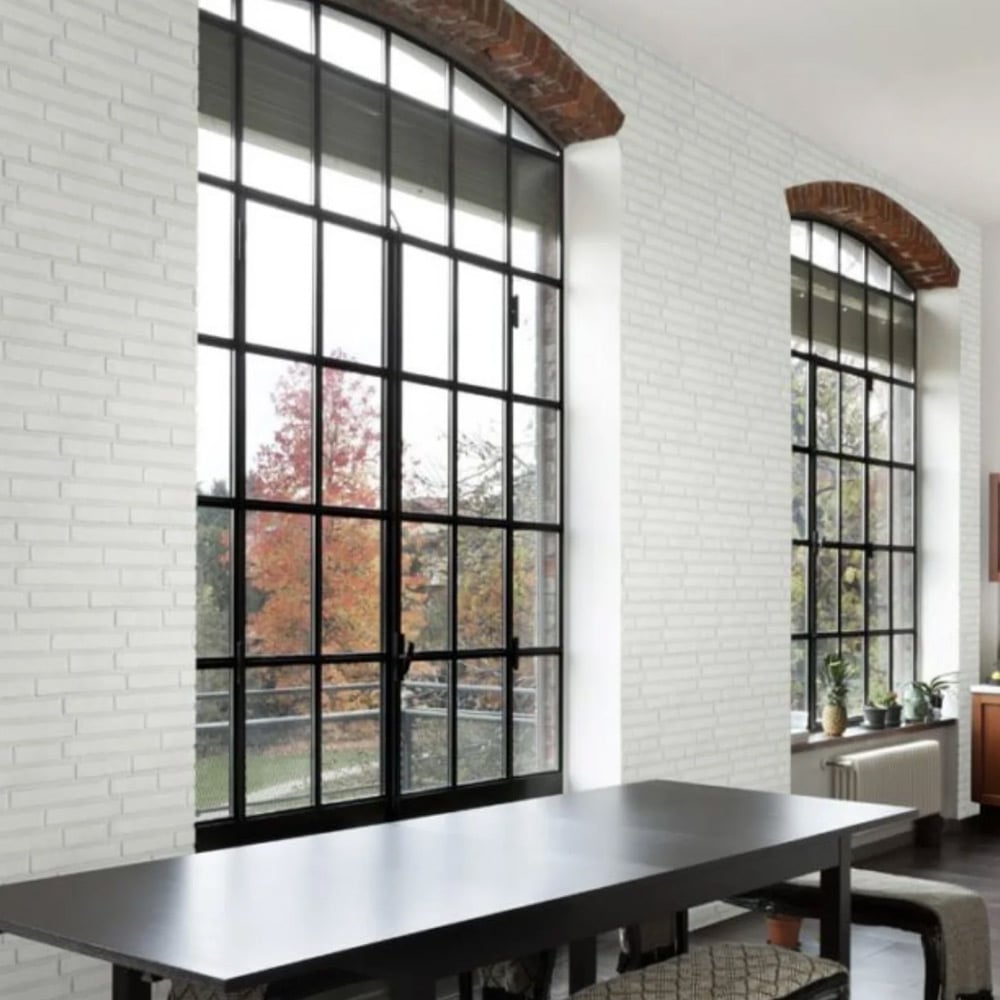
Wall cladding is a type of decorative covering intended to make a wall look like it is made of a different sort of material than it actually is. In most cases it’s designed to be permanent, and it may provide benefits like insulation and waterproofing. It can be made out of almost anything, but various stones are the most common.Home / Paving / Garden Walling / Wall Cladding / Page 2
-
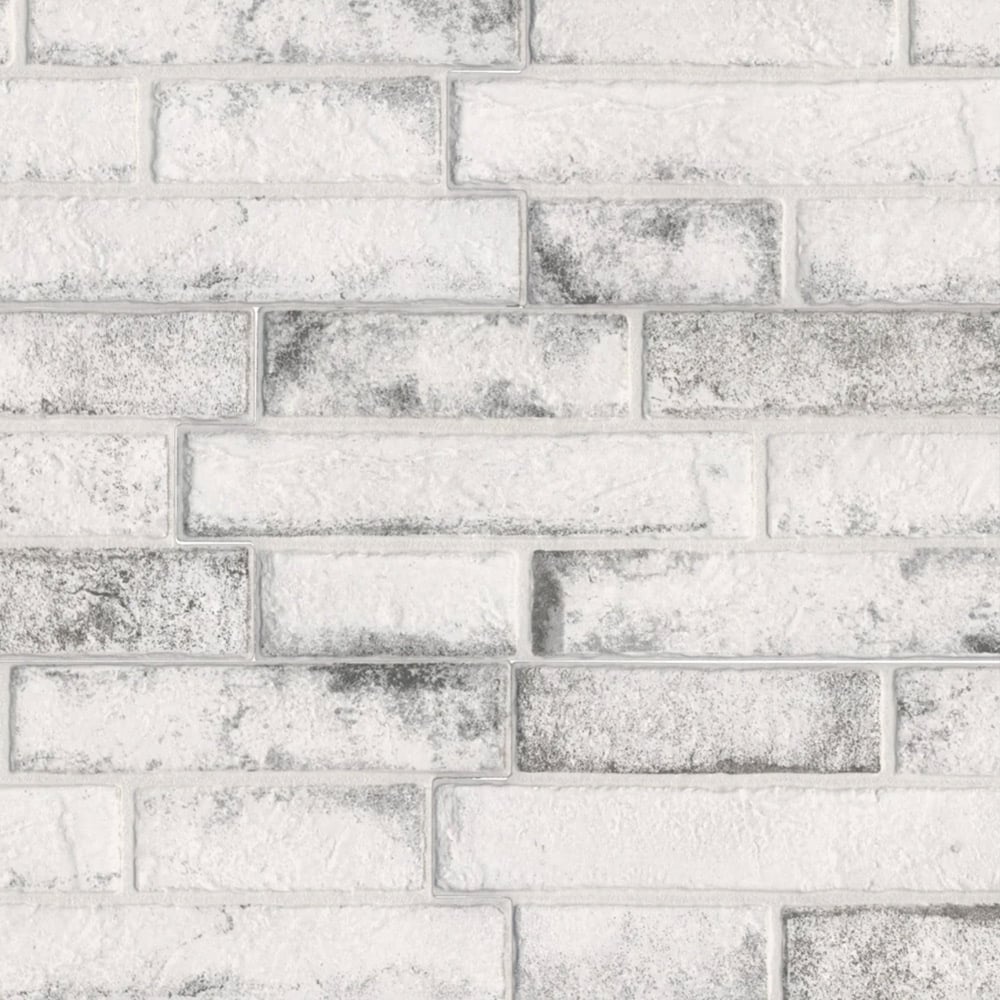
Argille Argento Porcelain Wall Cladding
- 0% Interest Available
- Great Quality & Quick Delivery
£40.53 per m² / £30.40 Was£31.92£48.64 per m² / £36.48 Was£38.30 -
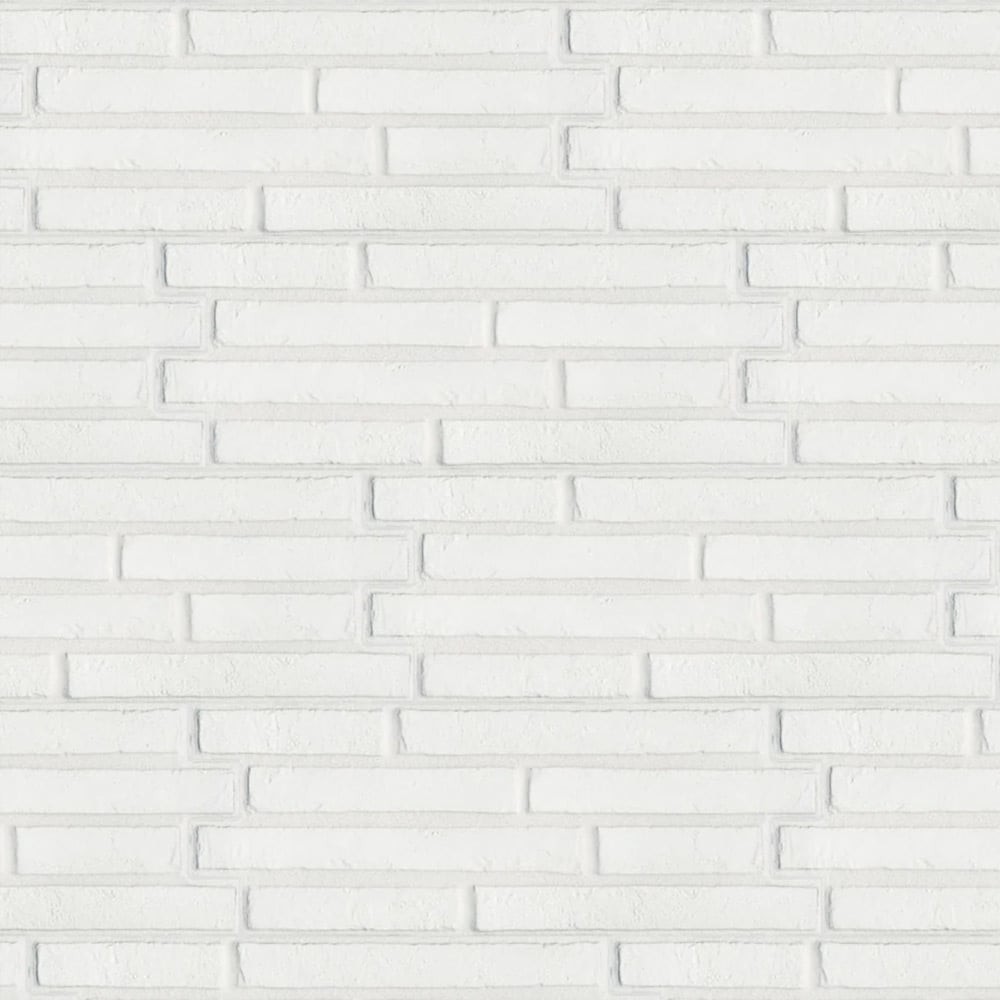
Natura Neve Porcelain Wall Cladding
- 0% Interest Available
- Great Quality & Quick Delivery
£40.53 per m² / £30.40 Was£31.92£48.64 per m² / £36.48 Was£38.30 -
Urban Atlanta Porcelain Wall Cladding
- 0% Interest Available
- Great Quality & Quick Delivery
£40.53 per m² / £30.40 Was£31.92£48.64 per m² / £36.48 Was£38.30
Frequently Asked Questions
What is Wall Cladding?
Wall cladding is the process of layering one material on top of another material which will create a skin layer over the walls.
Where is Wall Cladding Used?
Wall Cladding is often referred to as the ‘skin’ of the building; it is the external layer of a structure applied typically around chimneys, doors, windows and roofs and it has various uses.
What is the best type of cladding for outside walls?
For a garden wall, porcelain split-face cladding is the most practical choice. It is non-porous, so it does not absorb water, stain or need sealing, and it will not fade, rot or rust. Natural stone cladding looks great but costs more and needs sealing; timber weathers and needs treating; render cracks and needs repainting. Our porcelain cladding strips are Z-shaped so they interlock as you build up the wall, giving the split-face look of stacked stone without the weight or the upkeep.Â
Is porcelain cladding an expensive way to clad an exterior wall?
It sits mid-range. Our porcelain cladding is around £48.64 per m², or £36.48 for a pack of 12 strips covering just over 0.75m². A typical garden wall of 8m² therefore costs around £390 in cladding, plus adhesive. That is more than render or paint, and less than natural stone cladding or new facing brickwork. Because it never needs sealing, painting or replacing, the cost sits almost entirely at the start.
What types of cladding should be avoided on an outside wall?
Avoid anything that traps moisture against the wall or was made for indoor use. Internal tiles and thin stone veneers are not frost-rated and will crack or lift after a winter. Untreated softwood rots within a few years outdoors, and thin plastic cladding goes brittle and discolours in sunlight. Also avoid fixing any cladding below ground level or across a damp proof course, whatever the material, as it bridges the damp barrier and draws moisture into the wall behind.Â
How is porcelain wall cladding fixed to a wall?
The strips are bonded to the wall with an exterior-grade flexible tile adhesive, applied with a notched trowel and buttered onto the back of each piece as well. Because they are Z-shaped, each row interlocks with the one below, which holds the spacing and stops slipping while the adhesive cures. Start from a level batten at the bottom and work upwards, checking every few rows with a spirit level. The wall behind must be clean, sound and dry before you begin.Â
How are external corners finished with porcelain cladding?
We do not stock purpose-made corner pieces, so external corners are formed on site. The usual method is a mitre: cut the ends of the two meeting strips at 45 degrees with a diamond blade and a tile saw, then bond them together so the joint reads as a continuous stone edge. The alternative is to overlap, running one wall’s strips past the corner to hide the cut end of the other. Allow extra material for cutting, and practice on an offcut first.
Does a wall need strengthening to carry the weight of porcelain cladding?
For a sound brick or block wall, no. Porcelain cladding is light compared with real stone, and a standard garden wall or house wall in good condition will carry it without any strengthening. What matters is the surface it bonds to, not the wall’s load capacity. Loose render, flaking paint, crumbling mortar or a wall with movement must all be put right first, because the adhesive can only be as strong as what it sticks to. Free-standing single-skin walls should be checked for stability.Â
Can porcelain cladding be fitted over rendered or painted brickwork?
Only if the surface underneath is sound. Tap the render and look for hollow or drummy patches, cracks or blown areas, and hack those off back to solid brickwork before you start. Painted walls are the bigger risk: adhesive bonds to the paint, not the brick, so if the paint later lets go the cladding comes with it. Gloss or flaking paint should be removed entirely.
Does porcelain wall cladding match the porcelain paving ranges?
Not as a direct colour-for-colour match. The cladding is a split-face product designed to replicate stacked slate, so it has a textured, layered face rather than the flat finish of a paving slab. Several options sit comfortably with our paving: Grey and Black cladding alongside grey and anthracite ranges such as Cathedral or Mercury, and Vijaya Gold cladding alongside our gold slate paving.Â
Get the latest news & offers