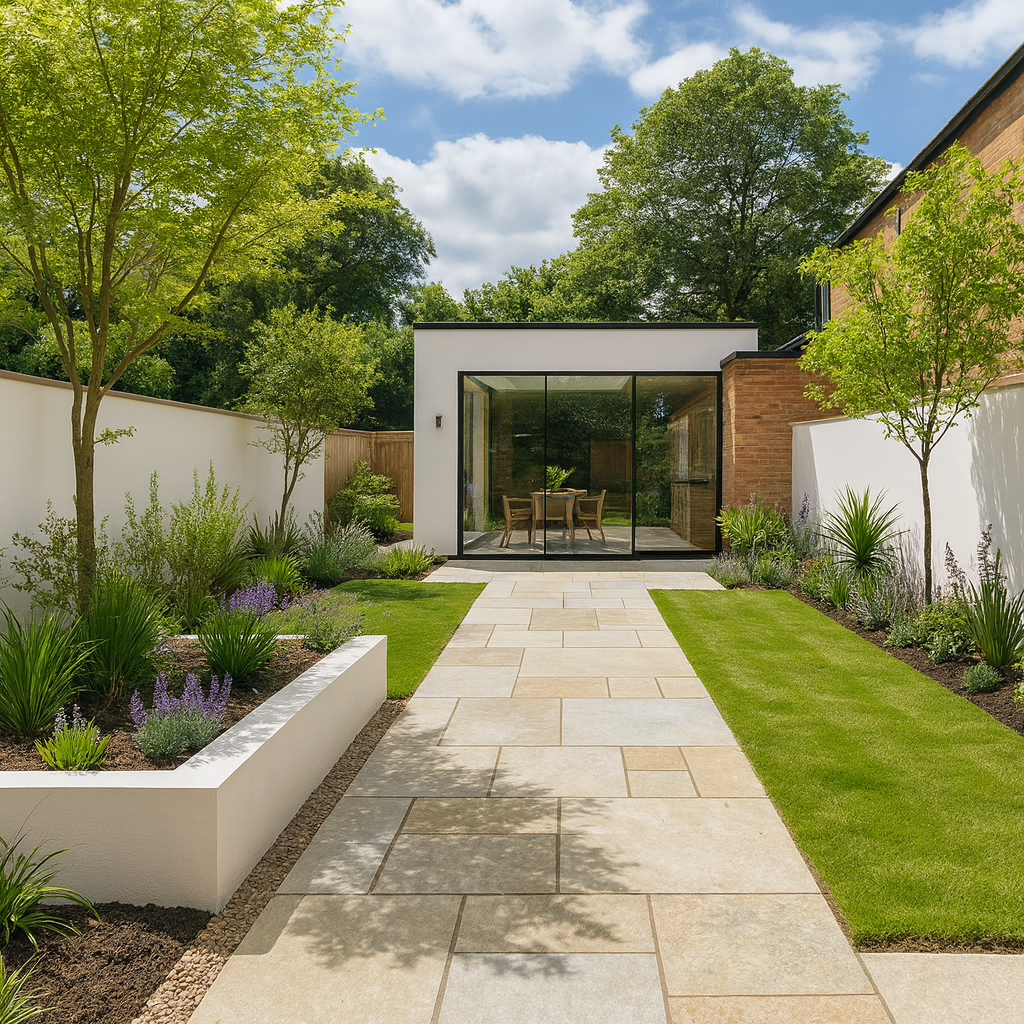
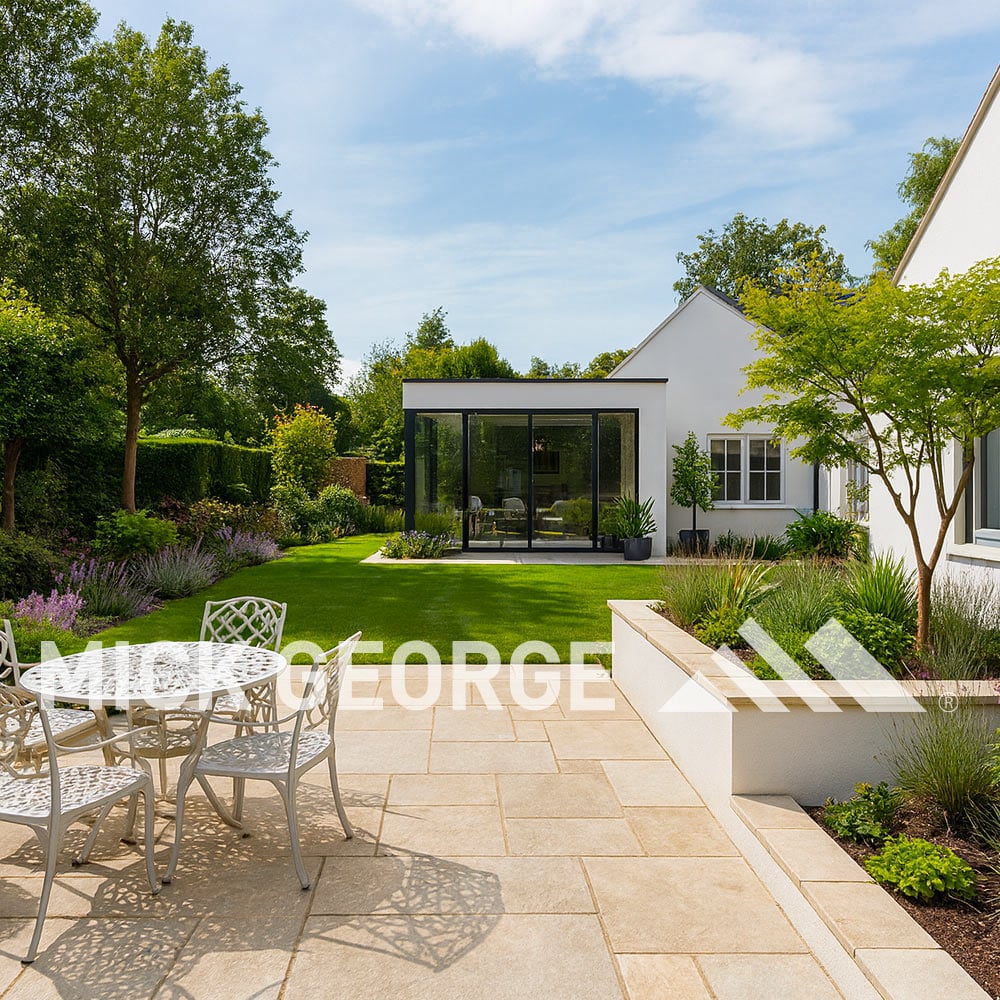
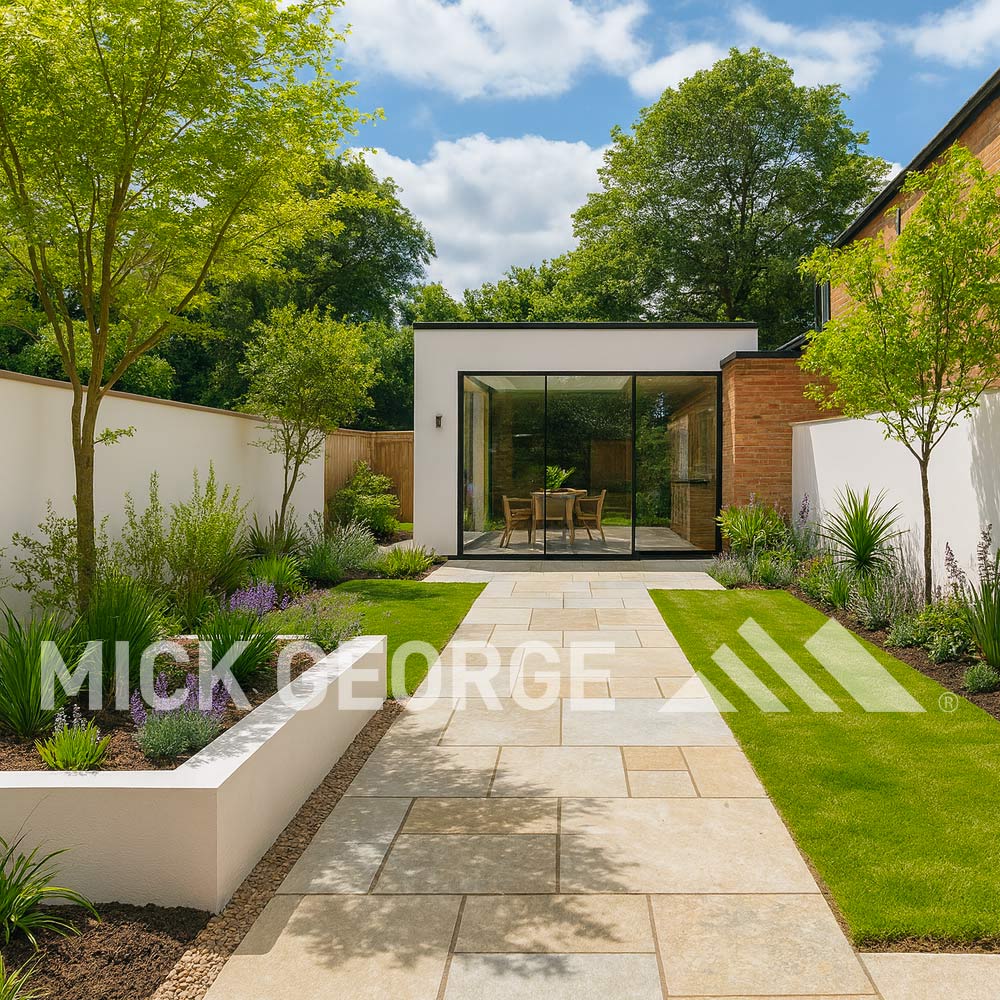
Yellow Limestone
Yellow Limestone is a stone that feels wonderfully traditional. When you think of a classic stone area, yellow limestone is what jumps to mind for a lot of people - the blends of yellow, creams, browns and greys are often when people imagine when they think of slabs and as a result, this is an incredibly popular choice.Home / Paving / Driveway Paving / Limestone / Yellow Limestone
Size
Volume
- Multi Slab Pack (2)
Edges
- Tumbled (2)
Shape
- Rectangular (2)
- Square (1)
Price
-
Yellow Limestone Paving 90cm x 60cm Packs
- 0% Interest Available
- Great Quality & Quick Delivery
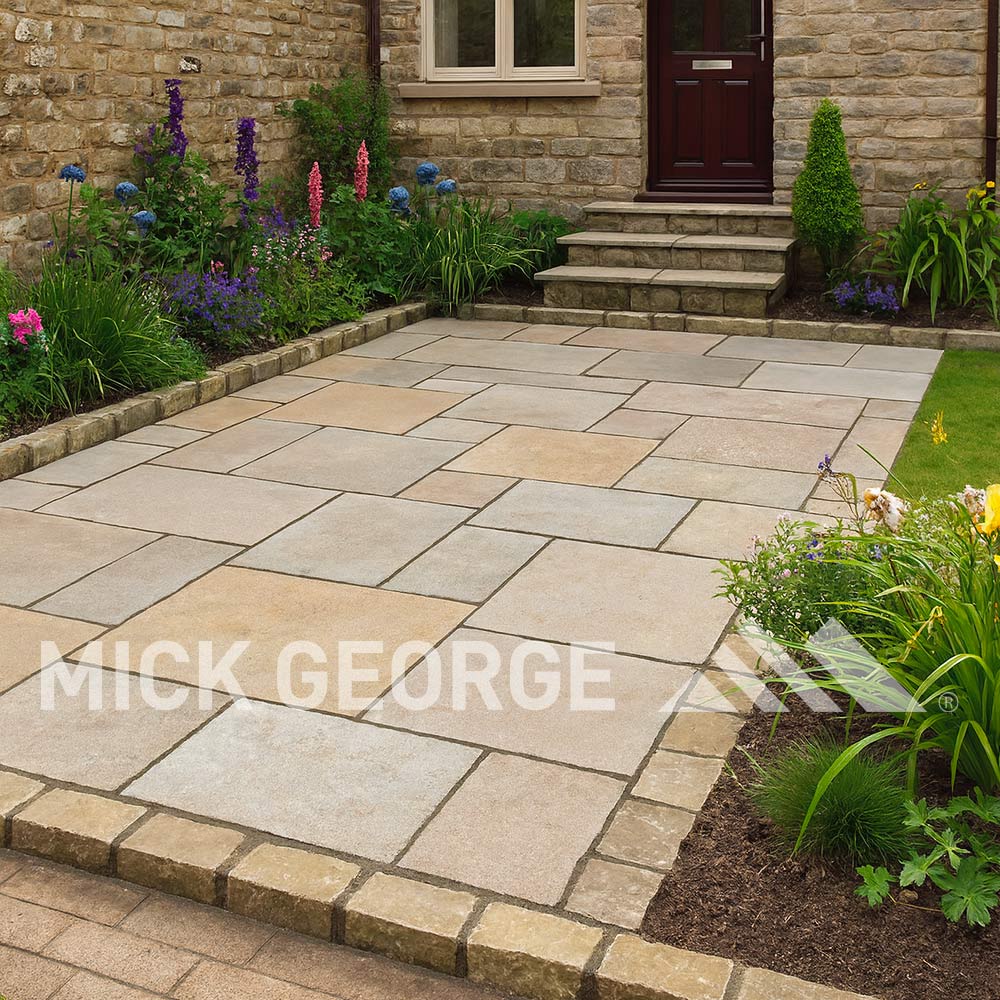
-
Yellow Limestone Paving Mixed Size Pack
- 0% Interest Available
- Great Quality & Quick Delivery
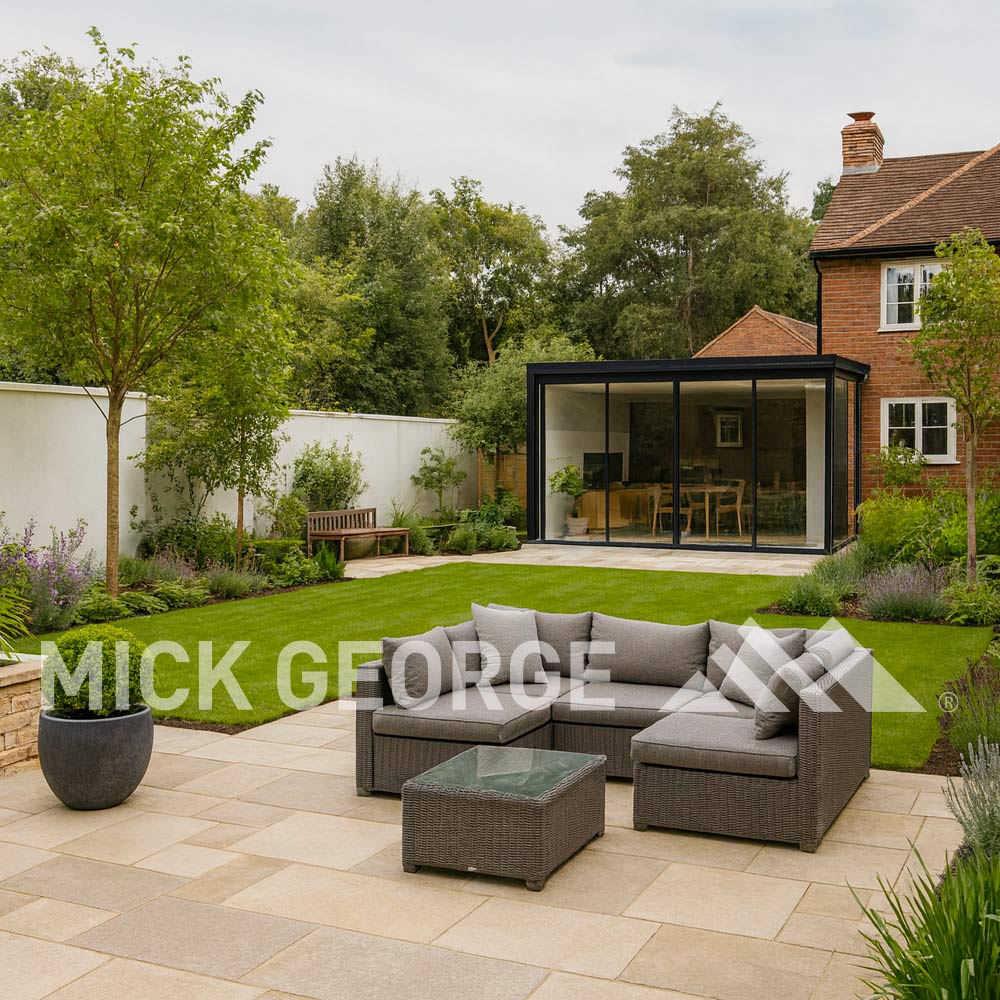
Yellow Limestone
A premium quality limestone with tones of yellow, honey and creams. Yellow limestone has a unique aged colour and is less textured than conventional Indian Sandstone with sawn sides and a naturally flat surface with a slight texture to prevent any slips.
Frequently Asked Questions
Will a yellow limestone driveway look washed-out in bright sun?
No. Yellow Limestone is a blend of yellows, creams, browns and greys rather than a flat pale stone, so there is enough depth in it to hold up in strong light. Bright sun lifts the honey tones and the greys stop it looking bleached. Where pale stone does struggle is glare on a large open south-facing drive, and the tumbled surface helps here, scattering light rather than reflecting it back flat.Â
Do tyre marks show more on yellow limestone than on darker stone?
Rubber scuffing shows more against a light stone than a dark one, but the mottled blend of yellows, creams and greys breaks it up better than a plain pale slab would. The bigger issue on any limestone is oil, which soaks in and marks permanently. Scuffing lifts with a stiff brush and a pH-neutral cleaner, never an acid-based one. Expect to clean the wheel tracks once or twice a year to keep the drive even.Â
Is the 90x60 slab too large to lay on a driveway without cracking?
Not at this thickness. Our Yellow Limestone 90 x 60cm slabs are calibrated to 30mm, noticeably thicker than the 22mm we stock in other limestones, which makes them the better choice of our limestone range for a drive. Large slabs still need the bed absolutely right, as the bigger the slab, the more area there is to leave unsupported. Lay on a full, unbroken mortar bed over 150mm of compacted Type 1, with no voids anywhere.Â
Should yellow limestone be sealed against oil before it’s used as a drive?
Yes, we would seal it. Limestone is porous, and on a light stone an oil or fuel drip leaves a dark mark that is very difficult to shift once it has soaked in. A breathable impregnating sealer keeps spills sitting on the surface long enough to clean them up. Seal after laying, once the slabs and jointing are fully dry. On a drive, expect to reseal every two to three years as traffic wears the coating.Â
Can yellow limestone slabs be combined with gravel on the same driveway?
Yes, and it is a sensible way to control cost. A common layout is slabs for the parking bays and the approach to the door, with gravel for the rest of the drive. The two need separating with a proper restraint, or the gravel migrates onto the slabs and gets ground underfoot. Set a row of cobbles bedded and haunched in concrete along the boundary between them, and keep the gravel finished slightly below the slab level.Â
Is yellow limestone edging or channel available to finish a drive?
Yes, we stock Yellow Limestone cobbles in 20 x 10cm from £1.50 each, which are the matching edging for this stone. We do not stock a limestone channel or drainage unit. For a drainage channel you would need a separate linear drain from a builders merchant, which can be set flush between the cobbles. The cobbles themselves must be bedded and haunched in concrete to work as an edge restraint.Â
Is yellow limestone better suited to a parking bay than a full driveway?
Either works, as the 30mm thickness handles both when it is laid on a full mortar bed. The practical case for using it as a bay rather than the whole drive is cost and cleaning: you get the stone where it is seen and walked on, with gravel or a cheaper surface over the rest, and there is less area to keep clean and resealed.Â
Get the latest news & offers