Coping Stones
A coping stone is a flat stone that forms part of a coping - used to cap free-standing walls. Coping stones perform an important role in preventing rainfall from penetrating the wall.Home / Paving / Garden Walling / Coping Stones / Page 2
Material
Colour
Size
- 15 x 30cm Coping (1)
- 165mm x 610mm (6.5"x 24") (2)
- 27.5 x 30cm Coping (1)
- 30 x 30cm Coping (1)
- 305mm x 610mm (12"x 24") (2)
- 30cm x 30cm x 30mm Pier Cap (1)
- 35 x 30cm Coping (1)
- 355mm x 610mm (14"x 24") (2)
- 405mm x 915mm (16"x 36") (2)
- 40cm x 40cm x 30mm Pier Cap (1)
- 460mm x 915mm (18"x 36") (2)
- 52.5cm x 52.5cm x 30mm Pier Cap (1)
- 60 x 15cm Wall Coping (3)
- 60 x 27.5cm Wall Coping (4)
- 60 x 30cm Wall Coping (2)
- 60 x 35cm Wall Coping (4)
- 40cm x 20cm x 50mm (3)
- 60 x 15cm x 30mm Wall Coping (3)
- 60 x 30cm x 30mm Wall Coping (4)
- 60 x 30cm x 50mm Wall Coping (3)
- 60cm x 40cm x 50mm (3)
- 90 x 30cm x 50mm Wall Coping (3)
Weight
- 14.4kg (1)
Position
- Corner (1)
- End (1)
- Intermediate (12)
- Pier (1)
Edges
- 2 Sided (3)
- 3 Sided (1)
- Bullnosed (6)
- Hand Dressed (4)
- Square (5)
Price
-
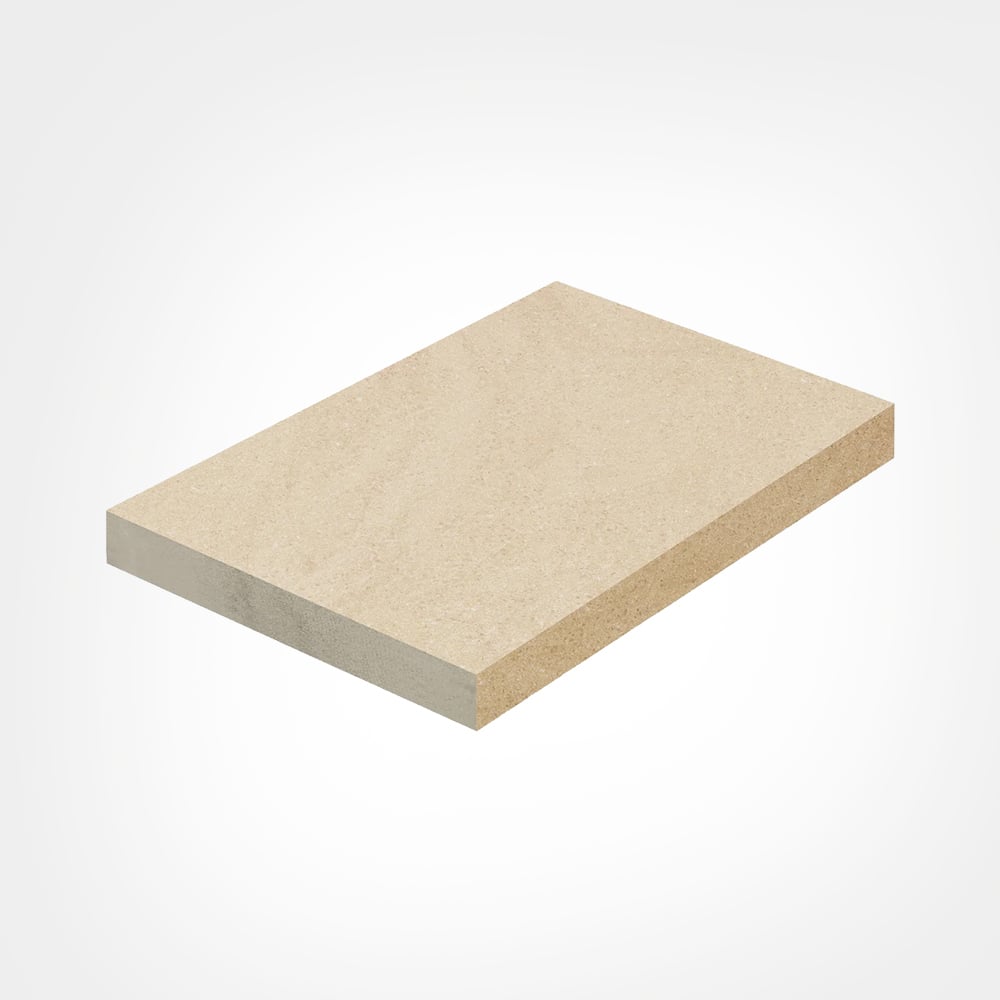
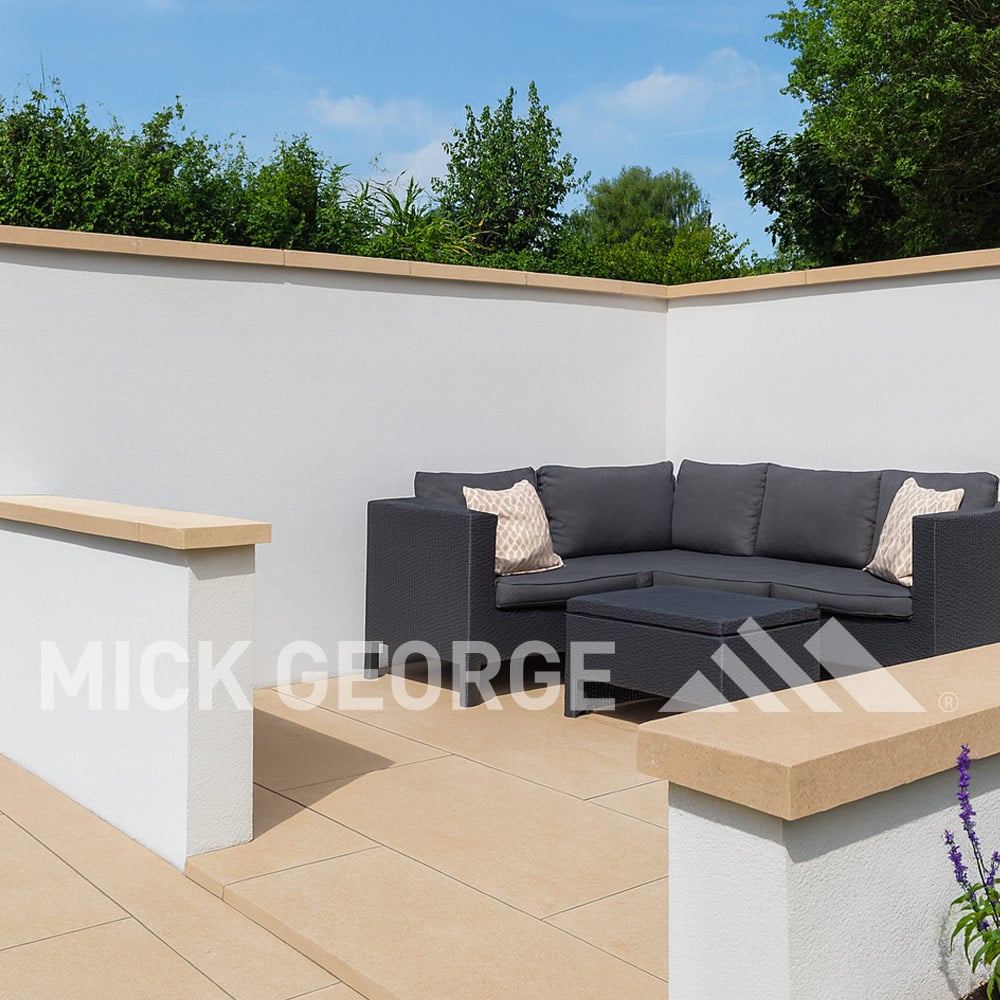
Beige Porcelain Wall Copings
- 0% Interest Available
- Great Quality & Quick Delivery
£156.21 per m² /£13.12Original price was: £13.12.£12.50Current price is: £12.50.£187.46 per m² / £15.00 Was£15.74 -
Once Weathered Concrete Coping
- High Strength
- Multiple Applications
From £9.28 Was£9.68From £11.14 Was£11.62 -
Twice Weathered Concrete Coping
- High Strength
- Multiple Applications
From £7.33 Was£7.64From £8.80 Was£9.17
Frequently Asked Questions
What are Coping Stones?
Coping stones are a flat stone used to finish a walling job. They can be completely flat or curved, and you’ll almost always find them on top of a wall construction.
Where are Coping Stones Used?
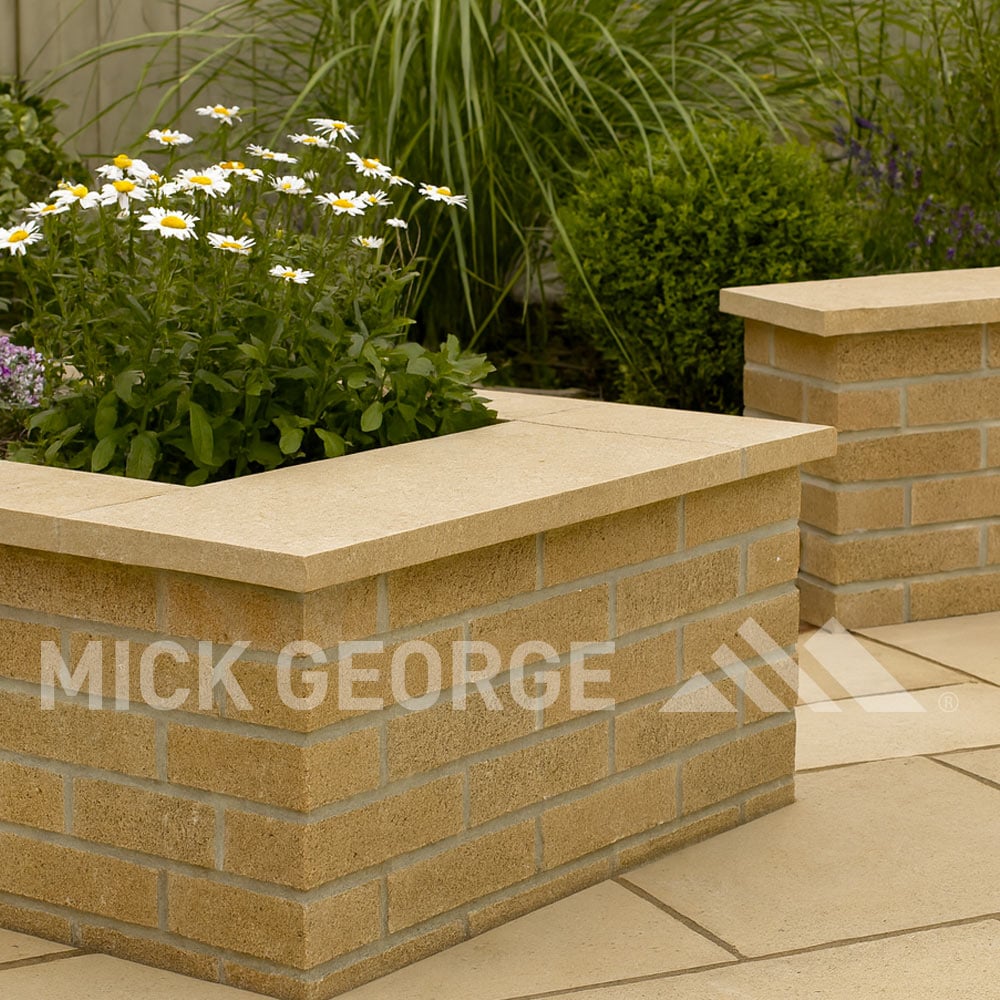
Coping stones are used to cap free standing walls. They protect the wall from weather damage as well as giving an aesthetically pleasing finish. They will often match the style and butt up to other pier caps.
What is the difference between a coping stone and a capping stone?
A coping stone is wider than the wall it sits on, so it overhangs each side and throws rainwater clear of the brickwork. A capping stone is cut flush with the wall, finishing the top without an overhang, so water runs down the face. In practice the two names are often used for the same product. Every coping in this range is made to overhang, but with widths from 15cm to 40cm you can choose one that sits almost flush if that is the look you want, and matching pier caps finish any pillars in the same stone.
Can I use paving slabs as coping stones?
You can, but it is rarely the better choice. Our sandstone and limestone paving is calibrated to 18mm or 22mm thick, while the matching wall copings are 30mm or 50mm, so slab looks thin on top of a wall and is more likely to crack at the overhang. Slabs also have no finished edge: cutting a Kandla Grey paving slab to width leaves a sawn face that will not match the hand-dressed or bullnose edge of a coping. A slab will do for a low raised bed; on a boundary wall, use a proper coping.
Can water leak through coping stones?
Not through the stone itself. Sandstone, limestone and porcelain copings are dense enough that rain runs off rather than soaking through. Water gets into a wall at the joints between copings and through the bed they sit on, so point every joint fully, keep the overhang equal on both sides and avoid any dip where water can pool. Our hand-dressed coping have no drip groove because the overhang does that job. On a very exposed wall, the 50mm thick Anthracite Poreclain Wall Copings are the least absorbent option in the range.
What is a cheaper alternative to coping stones?
Hand-dressed natural stone is the cheapest coping we sell. Black Limestone Wall Coping with hand-dressed edges starts from under £5 per coping in the 60 x 15cm size, and Kandla Grey and Raj Green hand-dressed copings from under £7, roughly half the price of the same stone with bullnose edges. Outside the range, people use brick on edge, a mortar fillet or paving offcuts. These cost less to buy but let more water into the wall, so the saving is often spent on repointing later.
Do you sell concrete coping stones?
No. our coping stones are natural stone and porcelain only: Black Limestone, Yellow Limestone, Kandla Grey and Raj Green sandstone, plus Anthracite, Grey and Beige Italian porcelain. There is no cast concrete coping in the range. If you want the plain, uniform look that concrete gives, the Grey Porcelain Wall Copings come closest, with a square edge, a consistent colour and a 50mm thickness, and porcelain resists the staining and fading that concrete copings pick up over time.
How far should a coping stone overhang the wall on each side?
Around 30mm on each side. This is the standard we work to: enough for rainwater to drip clear of the wall face without the coping looking top-heavy. Less than 25mm and water can track back under the stone; much more than 40mm and the unsupported edge is easier to knock or crack. Keep the overhang equal on both sides by setting a coping at each end of the wall first and running a string line between them to position the rest.
Should coping stones be fixed with mortar or an adhesive?
Either works. Mortar is the usual choice for stone copings and adhesive for porcelain. A full bed of sand and cement mortar, around 10mm to 15mm thick, takes up any uneveness in the top course and bonds well to sandstone and limestone. Porcelain is almost non-porous, so mortar alone can struggle to grip it; use a flexible external title adhesive, or prime the back of the coping with a slurry before bedding it. Whichever you use, the wall top must be clean, dry and level, and the joints between copings should be pointed with the same material.
How do I choose the right coping width for my wall?
Measure the thickness of the wall at the top, including any render, add 50mm to 60mm for the overhang, and pick the nearest stock width. Our natural stone copings come in 15cm, 27.5cm, 30cm and 35cm widths depending on the edge finish, and the porcelain copings in 20cm and 40cm, all 60cm long with hand-dressed copings also available in 90cm lengths. As a guide, a single-skin 100mm wall takes a 15cm coping, a 215mm brick wall a 27.5cm coping and a 300mm wall a 35cm coping. If your wall falls between sizes, go up rather than down.
Get the latest news & offers