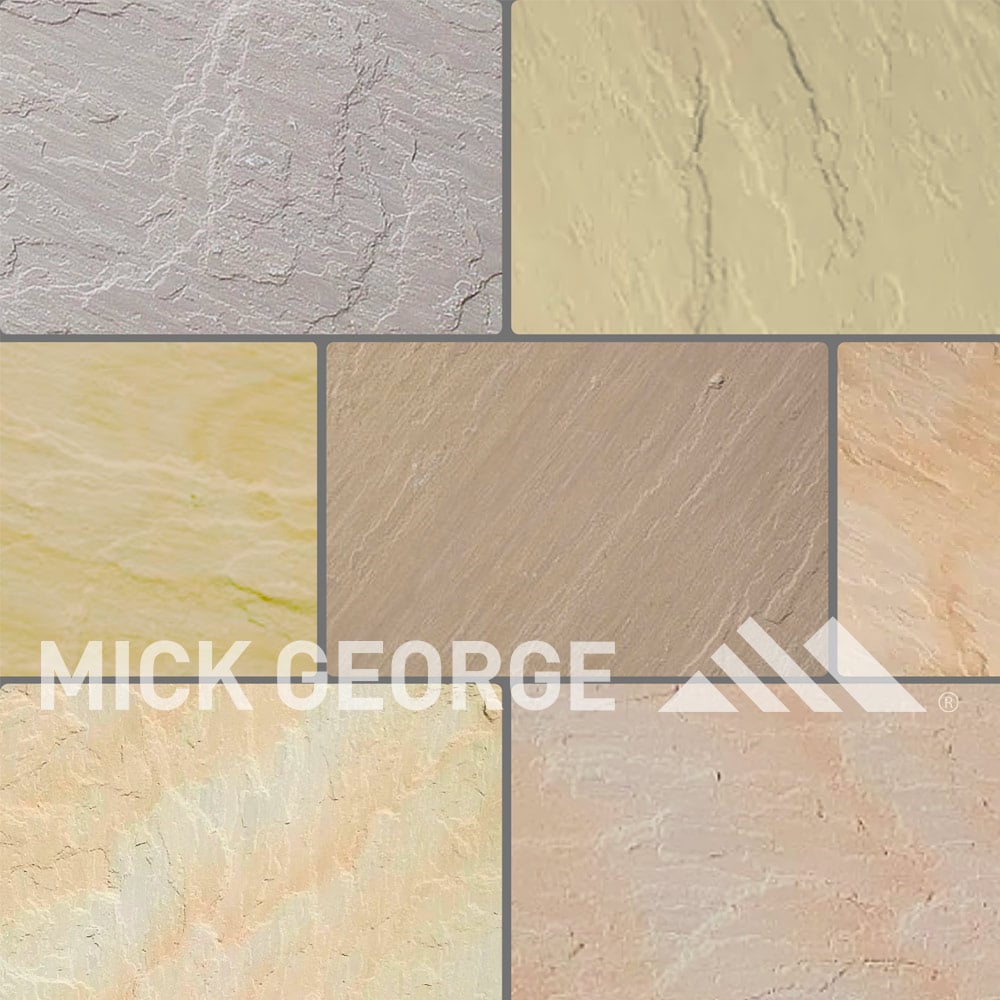
Sandstone Paving
Sandstone generally has a uniform texture and it is somewhat soft for a stone product, which means it is versatile and can have a number of applications. It makes a great garden paving material because it is highly weather resistant and its ability to maintain its age and appearance over time is tremendous.Home / Paving / Driveway Paving / Sandstone / Page 3
Product categories
Material
- Sandstone (3)
Colour
- Rippon Buff (3)
Size
- 60cm x 60cm (3)
- 90cm x 60cm (7)
- 60cm x 30cm (3)
- 60cm x 45cm (3)
- Mixed (10)
Weight
- 400kg (2)
Volume
- Multi Slab Pack (26)
- Singular Slabs (15)
Edges
- Hand Dressed (9)
Shape
- Circle (3)
- Rectangular (19)
- Square (11)
Price
-
Rippon Buff Sandstone Paving 90cm x 60cm
- 0% Interest Available
- Great Quality & Quick Delivery
-
Rippon Buff Sandstone Circle Paving
- 0% Interest Available
- Great Quality & Quick Delivery
£50.76 per m² / £324.87 Was£341.11£60.91 per m² / £389.84 Was£409.33
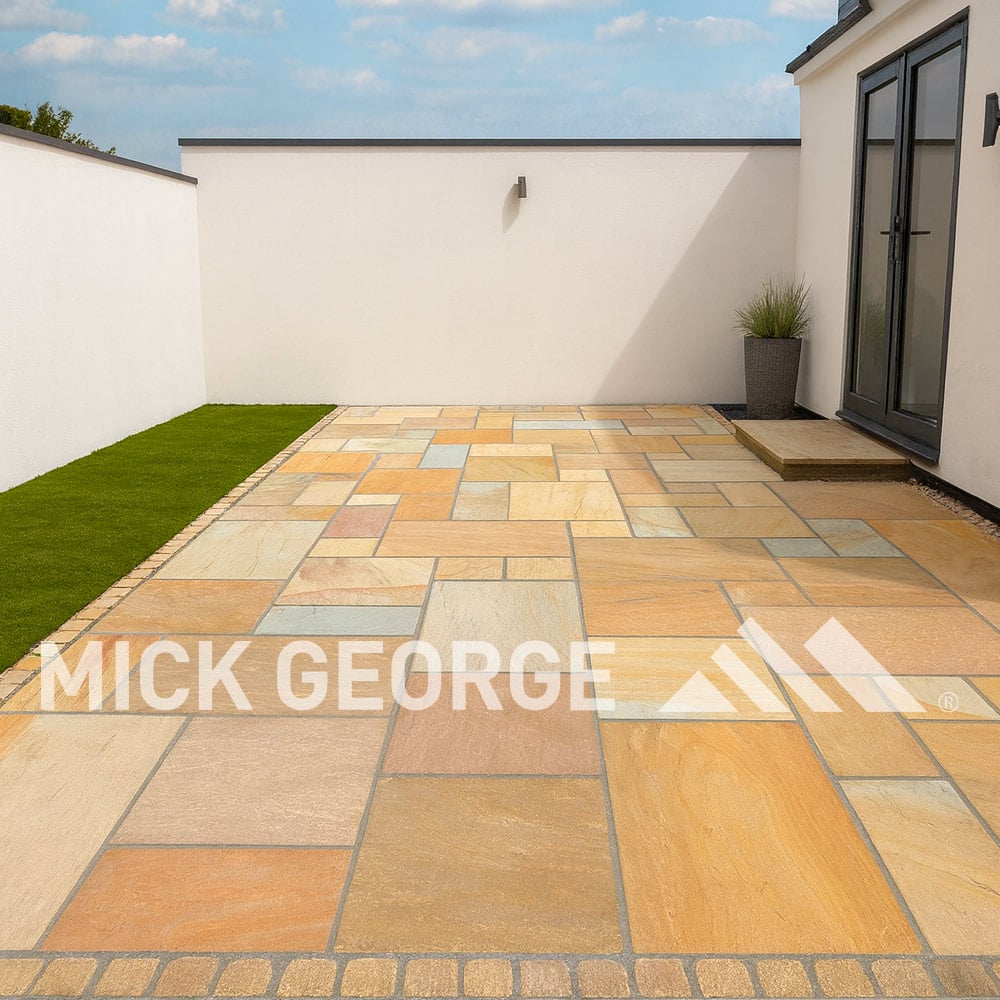
Sandstone Paving
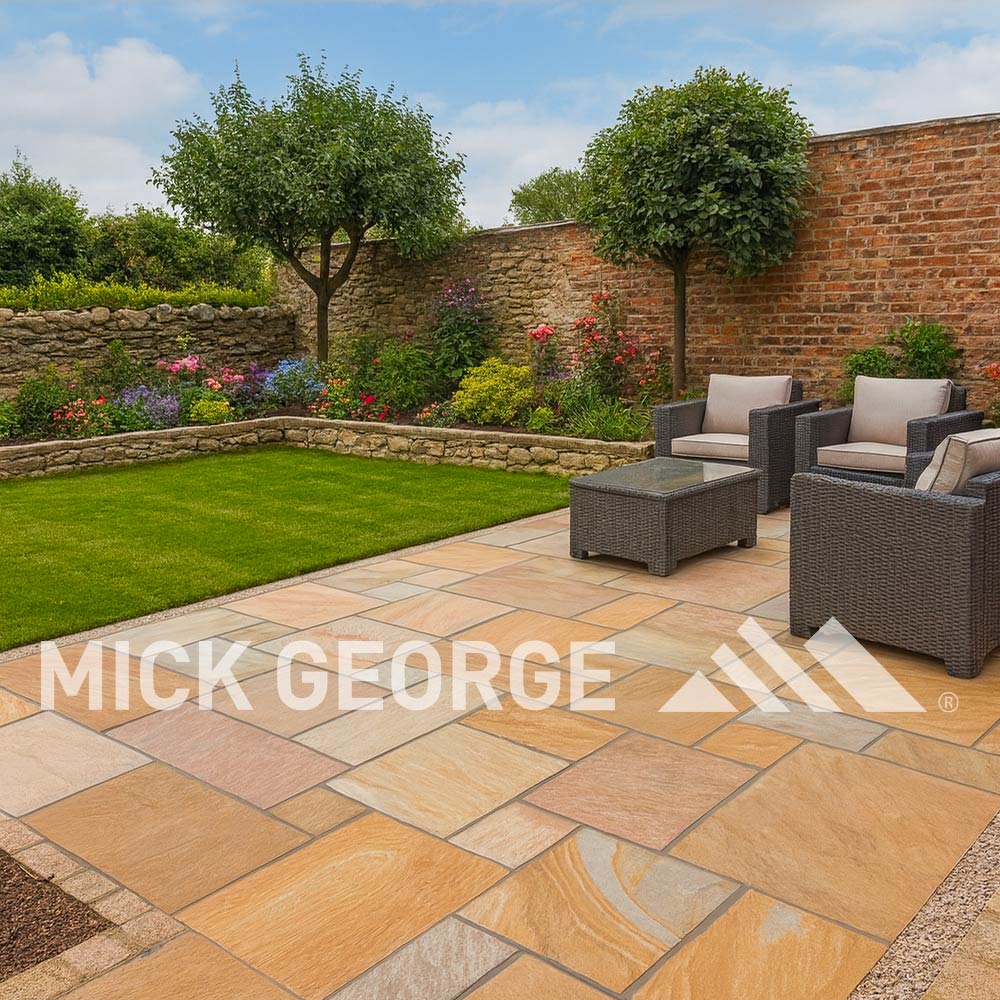
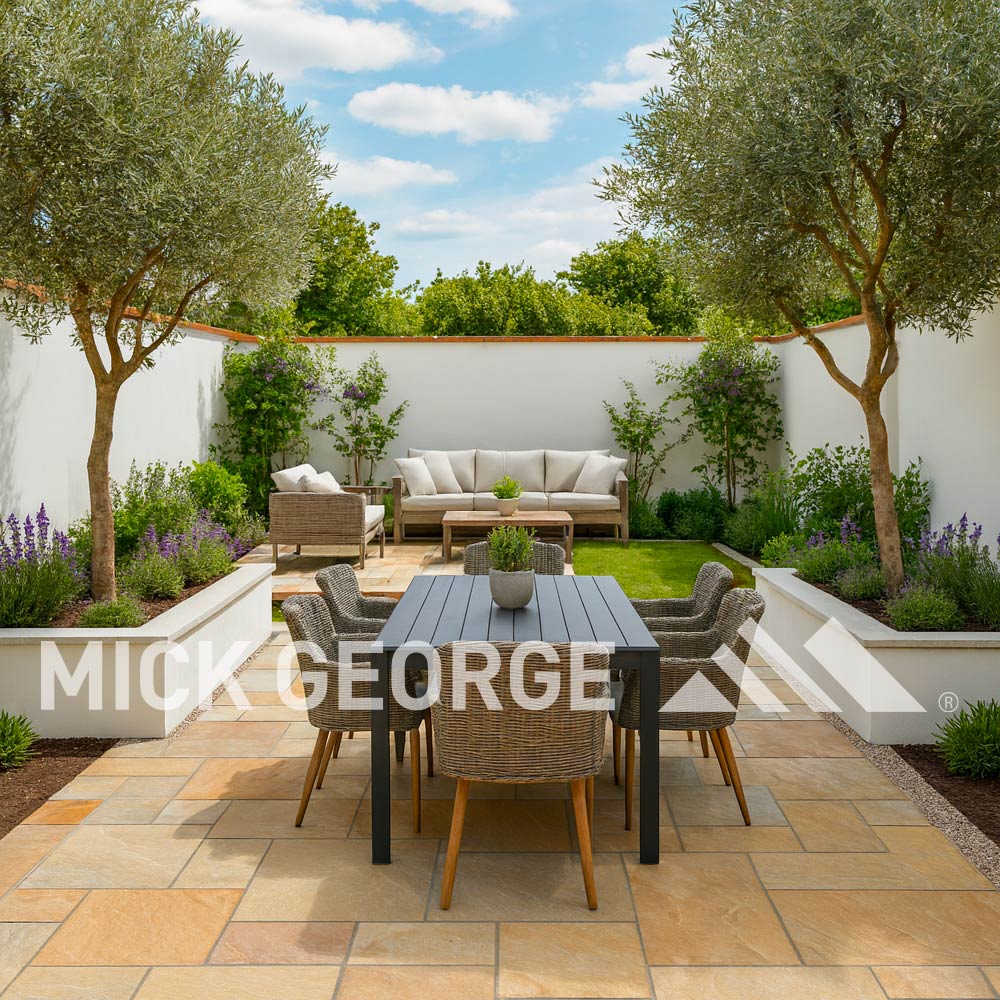
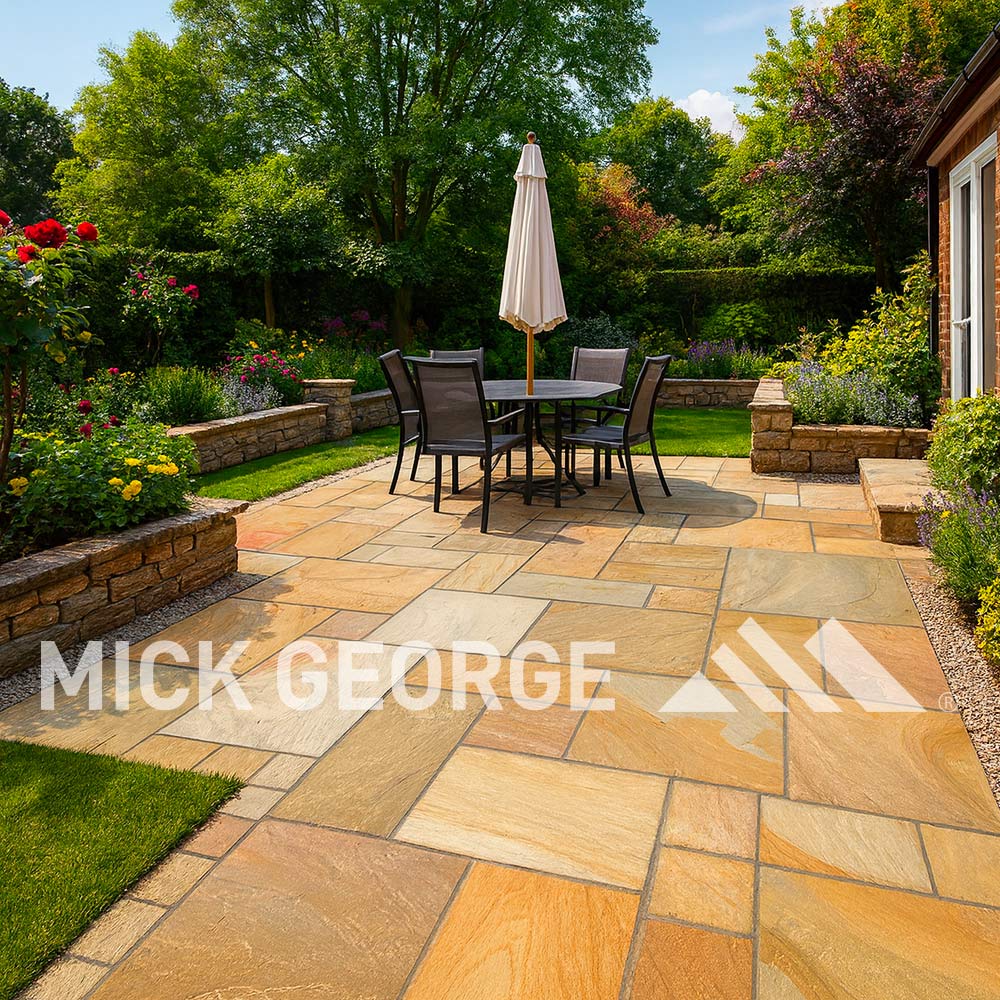
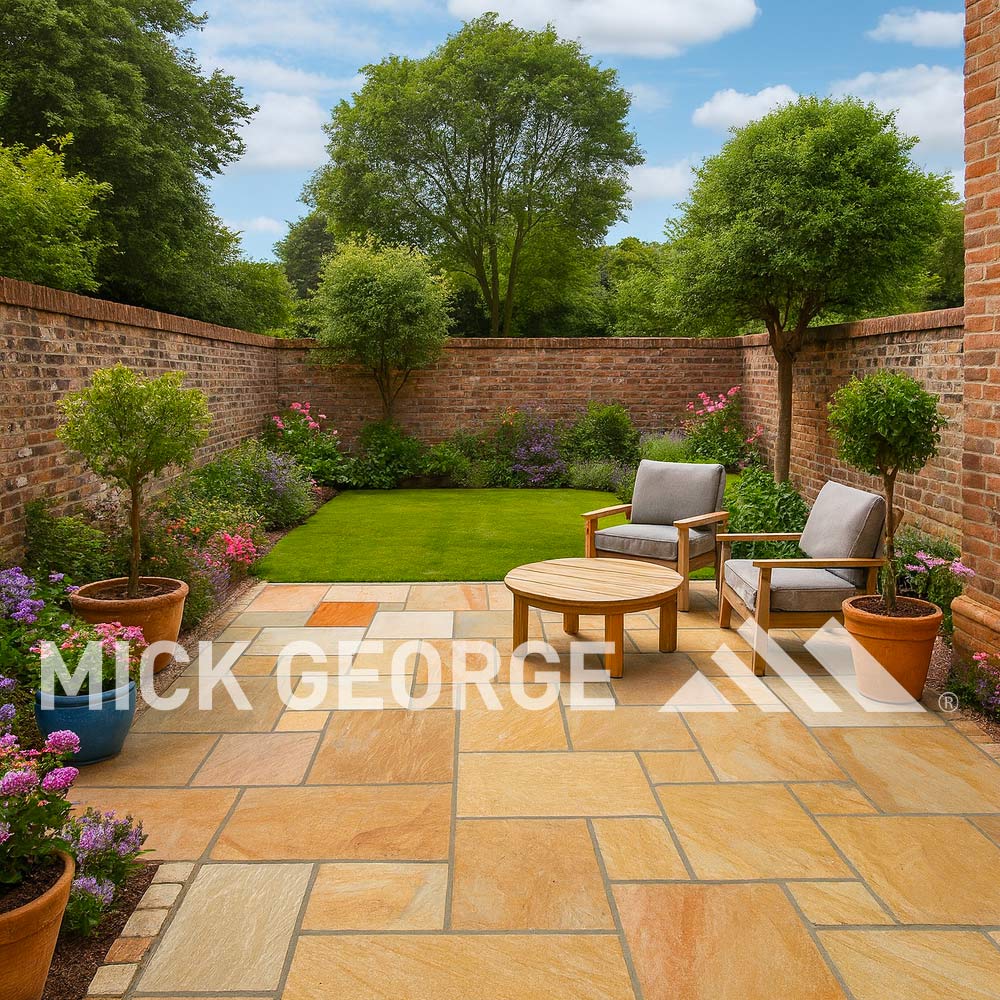
Sandstone offers a unique blend of colours, alongside a rich and natural appeal. Many love this cosmetic appearance of sandstone but also value its durable and hard-wearing characteristics that make it a great outdoor surface. Your sandstone patio slabs will last you for years to come.
Frequently Asked Questions
Is 20mm sandstone paving thick enough to drive a car on?
Our sandstone slabs are 22mm, and yes, they take a family car provided they are laid on a full, unbroken mortar bed over a properly compacted sub-base. The strength comes from full support underneath, not from the slab itself. We do not stock a thicker driveway-grade sandstone, so for vans, frequent heavy vehicles or tight turning, block paving is the better choice.Â
What are the downsides of sandstone paving on a driveway?
Sandstone is porous, so oil drips, fuel and brake fluid soak in and leave permanent marks unless the drive is sealed and spills are cleaned up quickly. It is also softer than granite, so tyre scuffing where you turn the wheel shows over time. At 22mm, point loads are the main risk: trailer jockey wheels, car jacks, skips and delivery lorries can all crack a slab. Laid well and sealed, though, sandstone gives a far warmer look than concrete.Â
Is sandstone cheaper than concrete for a driveway?
Poured concrete and concrete block paving generally cost less per m² than natural stone, and blocks are made for vehicle loads so they need less care in laying. Our sandstone starts at around £23.46 per m² for Kandla Grey Value mixed packs, which is competitive for real stone but above most concrete. What you get for the difference is natural colour and texture that will not fade flat.Â
What is the best stone for a driveway in the UK?
Granite is the hardest-wearing, which is why it is used for kerbs and setts: it resists tyre scuffing, road salt and frost, and holds its colour. Sandstone is the most popular for appearance and value, and copes well with cars when laid properly. Limestone sits between the two but marks more easily with acid. In our range, granite comes as cobbles rather than slabs, so a common approach is sandstone slabs for the main surface with granite cobbles as the edging.Â
How deep should the sub-base be under a sandstone driveway?
Allow 150mm of compacted Type 1 under a sandstone driveway, against around 100mm for a patio. Excavate to roughly 250mm below finished level, lay the Type 1 limestone in two layers and compact each with a plate compactor before bedding the slabs on 40 to 50mm of mortar. Our Type 1 comes in approximately 800kg bulk bags with free delivery, and a 30m² drive at this depth needs around 11 to 12 bags.Â
What should you use to joint sandstone slabs on a driveway?
A brush-in compound such as our Joint-It Simple suits driveways as well as patios, and a 20kg tub covers around 12 to 15m². Fill every joint to its full depth, because a partly filled joint lets a tyre work the slab edge and chip it. Keep joints at least 5mm wide rather than the tight 3mm some patios use. Turning wheels load joints sideways far more than footfall does, so check them yearly and top up any that have worn.Â
Does sealing a sandstone driveway stop oil and tyre marks?
Sealing helps a great deal but is not a guarantee. A breathable impregnating sealer soaks into the stone and stops oil and fuel penetrating immediately, which buys you time to clean up a spill before it marks. Left to sit for days, oil will still get through. Sealer also does nothing for the black rubber scuffing left by turning tyres, which needs scrubbing off. Expect to reseal every two to three years on a drive, as traffic wears the coating faster than on a patio.Â
Would sandstone setts or cobbles be a better choice than slabs for a drive?
For the hardest-worked parts of a drive, yes. Small units spread vehicle load across many pieces, so there is far less risk of cracking than with a 22mm slab, and they follow curves and slopes easily. We do not stock sandstone cobbles, but our Kota Black limestone and Silver Granite cobbles are 30 to 50mm thick and well suited to this. Many drives combine the two: cobbles for the edging and turning area, sandstone slabs for the main surface.Â
Get the latest news & offers