Waste Service Enquiry Form
 Order Online
  Explore
  Credit Accounts
 Restaurant Waste Collection
At Mick George, we understand that the hospitality industry faces unique challenges when it comes to waste management.


Restaurant Waste Management Services
Across the UK, restaurants generate a significant amount of waste every day from food scraps and packaging to glass bottles and used cooking oil. The foodservice industry alone is responsible for more than 400,000 tonnes of avoidable waste annually, leading to environmental and financial challenges for businesses.
At Mick George Group, we provide comprehensive restaurant waste management services designed to help you reduce waste, recycle more, and lower your disposal costs. Whether you operate a small café, busy pub, or large restaurant chain, we’ll ensure your waste is handled responsibly, safely, and in compliance with all UK regulations.
Why Restaurant Waste Management Matters
Food waste costs the global restaurant industry an estimated £2 trillion per year, with a large percentage of ingredients never reaching the customer’s plate. Beyond the economic impact, decomposing organic waste releases methane, a potent greenhouse gas that contributes to climate change.
Reducing waste doesn’t just protect the planet, it improves operational efficiency, saves money, and enhances your business’s reputation as a sustainable operator. Mick George’s restaurant waste solutions support businesses in meeting Environmental, Social, and Governance (ESG) goals, while also maintaining compliance with UK Waste Regulations.
Book Your Restaurant Waste Collection Online
Comprehensive Restaurant Disposal Solutions
We provide end-to-end restaurant waste services tailored to your business, including:
- Waste collection and disposal: regular or one-off collections, scheduled daily, weekly, or fortnightly.
- Recycling services: for plastics, packaging, glass, food waste, and more.
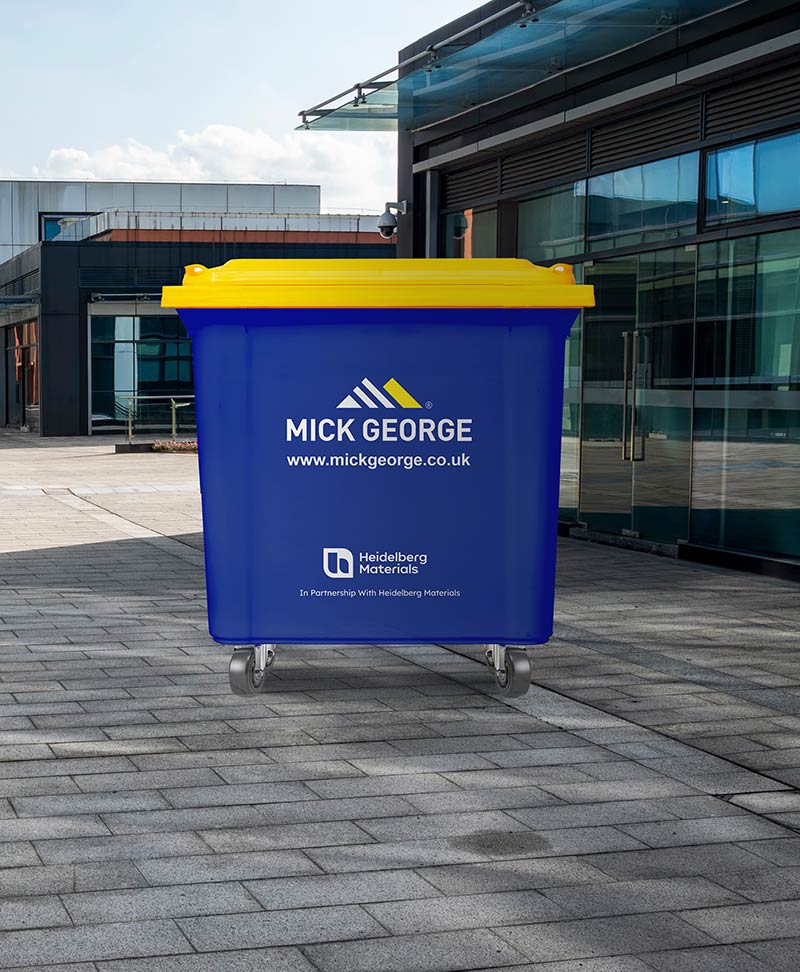
- Bin and container supply: free delivery of the appropriate bins for your waste streams, with costs only for collections.
No matter the size of your restaurant or the complexity of your waste needs, our licensed carriers and experienced team will ensure everything is handled efficiently and responsibly.


What Happens to Restaurant Waste?
Collected restaurant waste is processed through specialist recycling and treatment facilities.
- Food waste is sent to anaerobic digestion plants, where it’s broken down without oxygen to produce biogas and fertiliser – a renewable energy source that powers homes and vehicles.
- Glass, cardboard, and metal are separated and recycled into new products, reducing the need for virgin materials.
- Residual waste is treated at energy recovery facilities (ERFs), converting non-recyclable waste into usable energy rather than sending it to landfill.
This closed-loop approach ensures that as much restaurant waste as possible is reused, repurposed, or converted into renewable resources, helping your business achieve zero-waste targets.
Restaurant Waste Types We Manage
Restaurants generate a diverse range of waste, such as:
- Food waste: including preparation scraps, plate waste, and expired stock. Collected and sent for anaerobic digestion or composting, turning waste into renewable energy and natural fertiliser.
- Glass waste: bottles and jars of all colours, recycled into new glass products.
- Cardboard and paper: packaging and boxes compacted for recycling.
- Metal and cans: aluminium and tin materials recovered for reuse.
- Used cooking oil: safely collected and converted into biofuel.
- Textile waste: uniforms, cloth napkins, or tablecloths disposed of or recycled where possible.
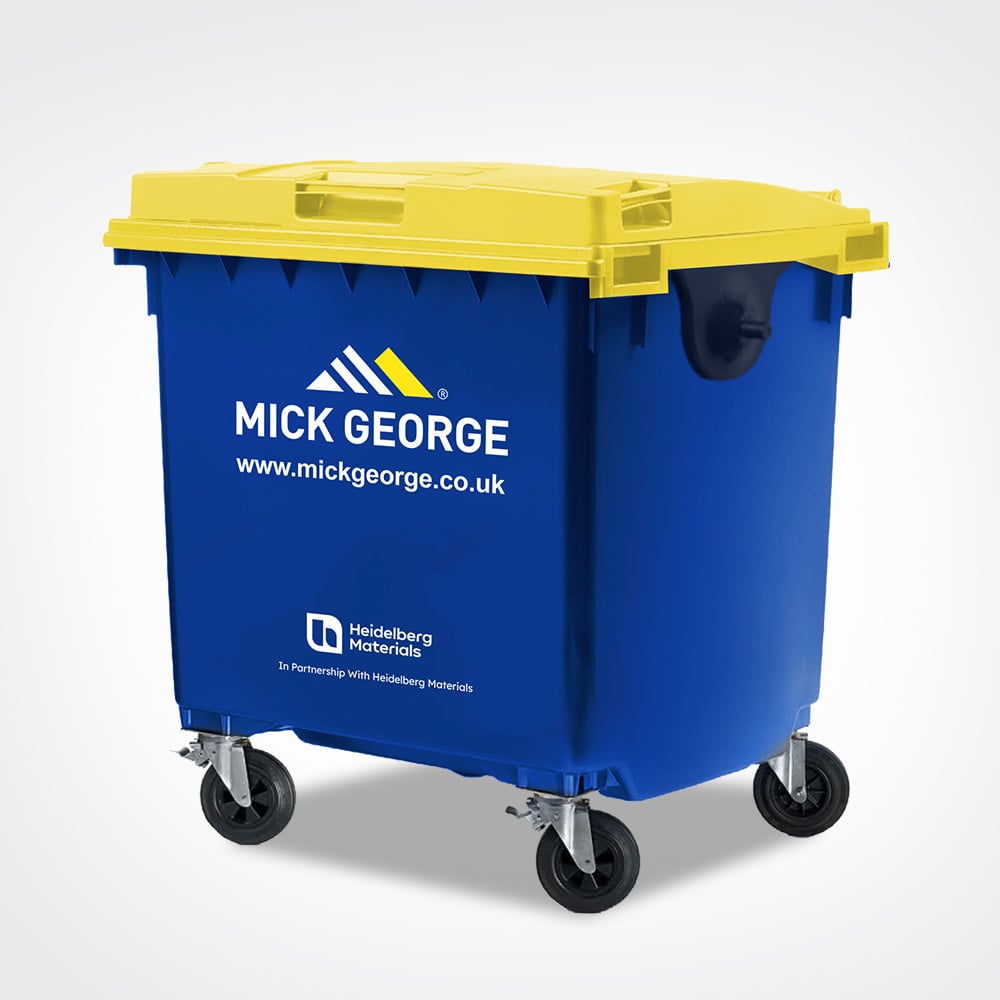
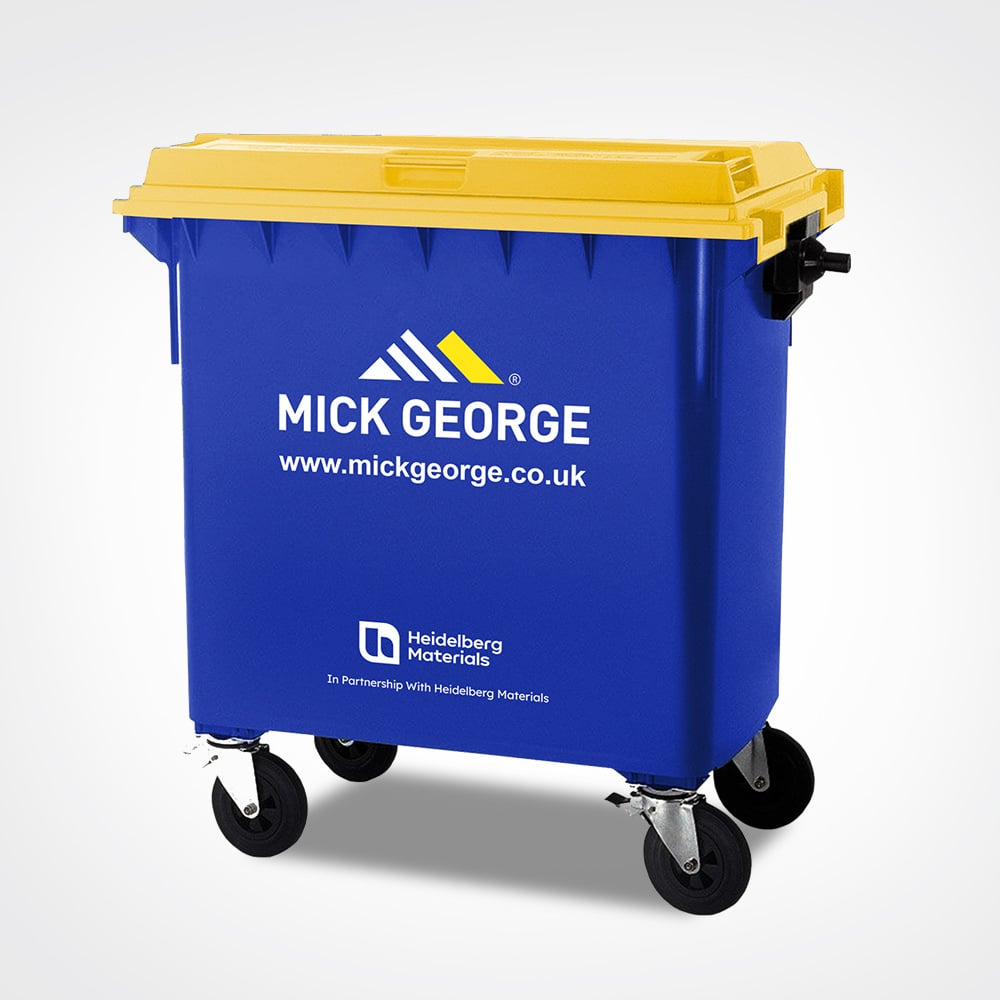
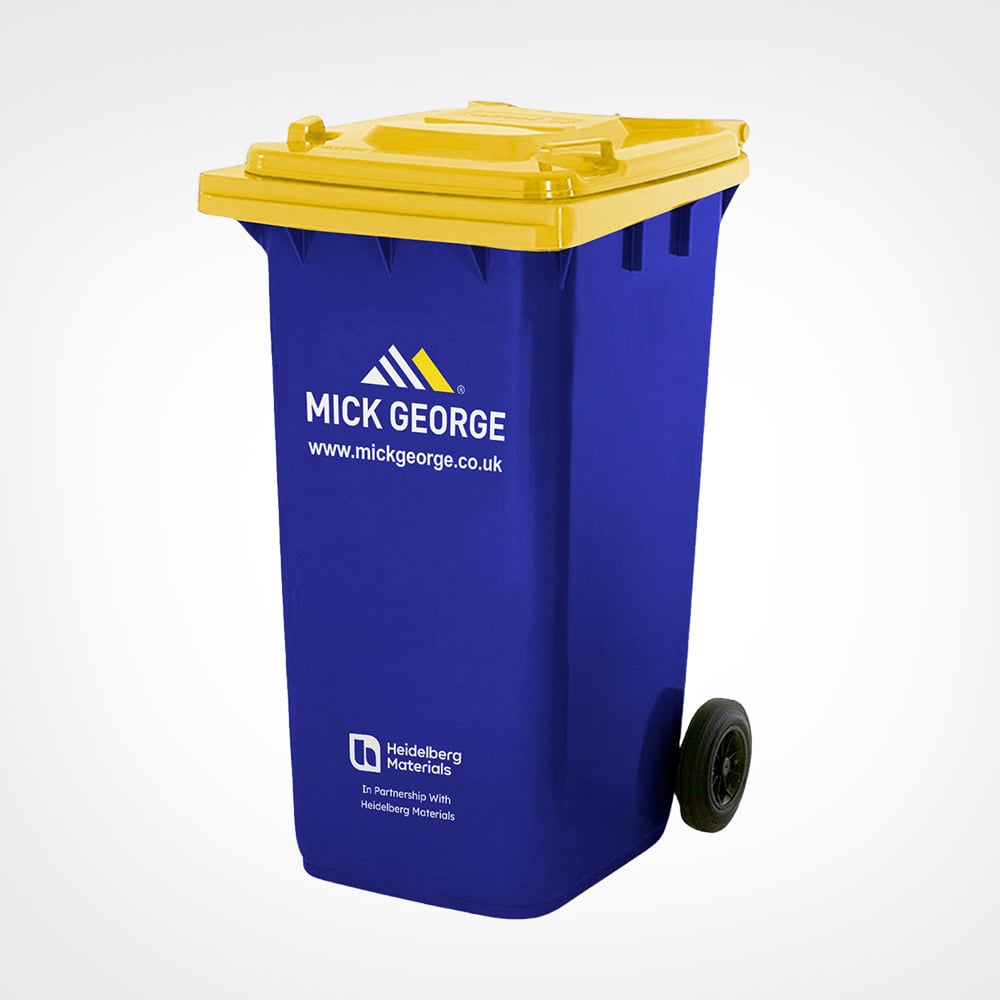
We provide a range of wheelie bins and containers (from 120L to 1100L) for every type of waste stream, ensuring proper segregation and efficient collection schedules.
See Our Commercial Waste Service


Why Choose Mick George?
- Local Waste Management expertise.
- Licensed waste carriers with years of agricultural experience.
- Free bin and container supply with flexible collection schedules.
- Competitive pricing tailored to your waste volumes.
- A commitment to sustainability and regulatory compliance.
Commercial waste services available throughout Cambridgeshire, Peterborough, Northamptonshire, Leicestershire and Milton Keynes areas.





How We Help Reduce Restaurant Waste
Effective waste management begins with waste reduction. Mick George works with restaurant owners to implement strategies that minimise waste at the source while promoting recycling and reuse.
- Transition away from single-use plastics
- Adopt digital menus and paperless receipts
- Encourage portion control and food donation initiatives
- Implement oil recycling schemes
- Switch to reusable or compostable alternatives for packaging and tableware
- Provide staff training on recycling and segregation best practices
Through proactive waste audits and tailored collection plans, we help restaurants identify waste hotspots, cut disposal costs, and enhance sustainability performance.
Restaurant Waste FAQ’s
The most common types include food waste (preparation and plate leftovers), packaging materials, glass, cardboard, metals, oils, and general waste.
Book Waste Collection OnlineRestaurants can reduce waste by managing stock efficiently, controlling portion sizes, donating surplus food, and training staff on proper storage and handling.
Book Waste Collection OnlineYes. Food waste can be processed through anaerobic digestion, producing renewable energy and fertiliser. Mick George ensures your organic waste is handled sustainably.
Book Waste Collection OnlineThis depends on your volume and type of waste. We supply bins from 120L to 1100L, with separate containers for food, glass, cardboard, and general waste.
Book Waste Collection OnlineCollections can be scheduled daily, weekly, or fortnightly depending on business needs. Regular collection prevents odours, pests, and non-compliance.
Book Waste Collection OnlineUsed cooking oil is collected, filtered, and recycled into biofuel, helping reduce carbon emissions and waste sent to landfill.
Book Waste Collection OnlineSegregating waste improves recycling efficiency, reduces contamination, and lowers disposal costs. It’s also a legal requirement for many materials.
Book Waste Collection OnlineNeil Johnson - Technical and Waste Director

Neil Johnson - Technical and Waste Director
Neil Johnson, a qualified Chemist, heads up the companies waste handling business. With over 25 years’ experience within the Waste Industry, Neil is an expert in contaminated land and hazardous waste streams. Neil has played a pivotal role in securing several major waste, RDF and biomass contracts and has permitted over 40 Mick George Group waste facilities for use in the company’s ever expanding waste business.
Tel: 01480 499 165 Email: mgsales@mickgeorge.co.uk

Go Green
Waste Management
We have always received a reliable and professional Waste Management service. They help to provide modern, forward-thinking and sustainable Waste Management processes which are vital in our constantly evolving industry. We would highly recommend the Mick George Group to anyone requiring a fully compliant Waste Management service.
Fletchers Waste Management
Waste Management
We have worked with the Mick George Group on a number or projects and always been offered excellent service and competitive pricing. Their customer service team are always on hand to help with any issues and are extremely friendly and easy to deal with. Finally, their state-of-the-art facilities situated throughout the UK mean that all your waste is dealt with in a compliant and ‘eco-friendly’ manner.

Morgan Sindall
Waste Management
We find the Mick George Group very easy to deal with, their customer service is always great and their quick turnaround times on exchanges, keeps our sites running smoothly. We wouldn’t hesitate to recommend them.
Latest Waste Industry News
-

New Commercial Waste Bin Collection Service
The Mick George Commercial Waste Bin Collection service is now open for customer onboarding, with collections scheduled to commence from January 2026.
-

15.3% Decrease in Residual Landfill Waste
Residual waste sent to landfill decreased by 15.3% between 2019 and 2023, according to recent reports.
-

Landfill Tax Reform
The British Aggregates Association (BAA) is alerting members and stakeholders to a consultation recently launched by the Government regarding reforms to Landfill Tax.



Get the latest news & offers