Waste Service Enquiry Form
 Order Online
  Explore
  Credit Accounts
 Brewery and Distillery Waste Collection
Efficient, compliant brewery and distillery waste management from Mick George. We collect, recycle, and recover brewing, distilling, and packaging waste sustainably.


Brewery and Distillery Waste Management Services
The UK’s brewing and distilling industries are thriving, from small craft producers to large commercial operations. With over 2,500 breweries, 800 gin distilleries, and 200 whisky distilleries, the sector contributes billions to the UK economy each year. However, alongside production growth comes the challenge of responsible waste management.
At Mick George Group, we provide tailored brewery and distillery waste services to help producers of all sizes manage, recycle, and recover waste in full compliance with UK environmental regulations. Our goal is to keep your operations clean, sustainable, and cost-efficient throughout Cambridgeshire, Peterborough, Northamptonshire, Leicestershire and Milton Keynes areas.
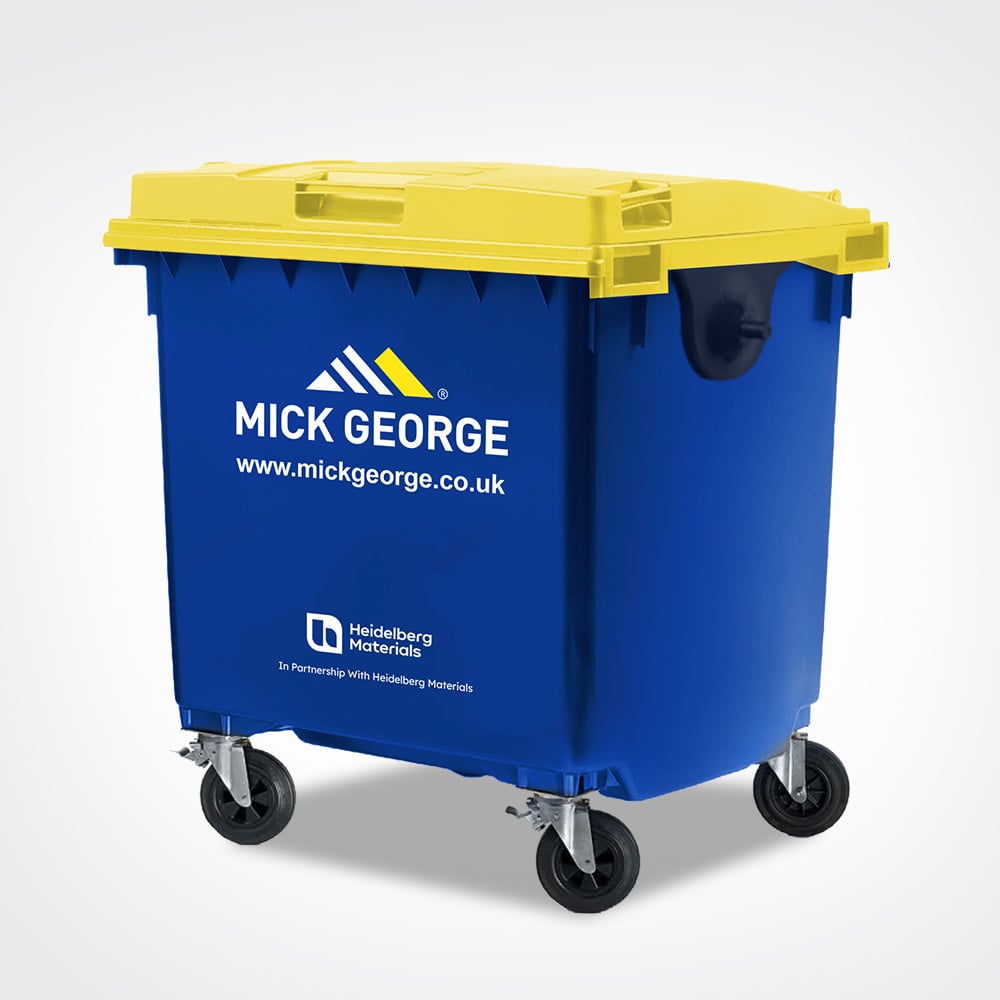
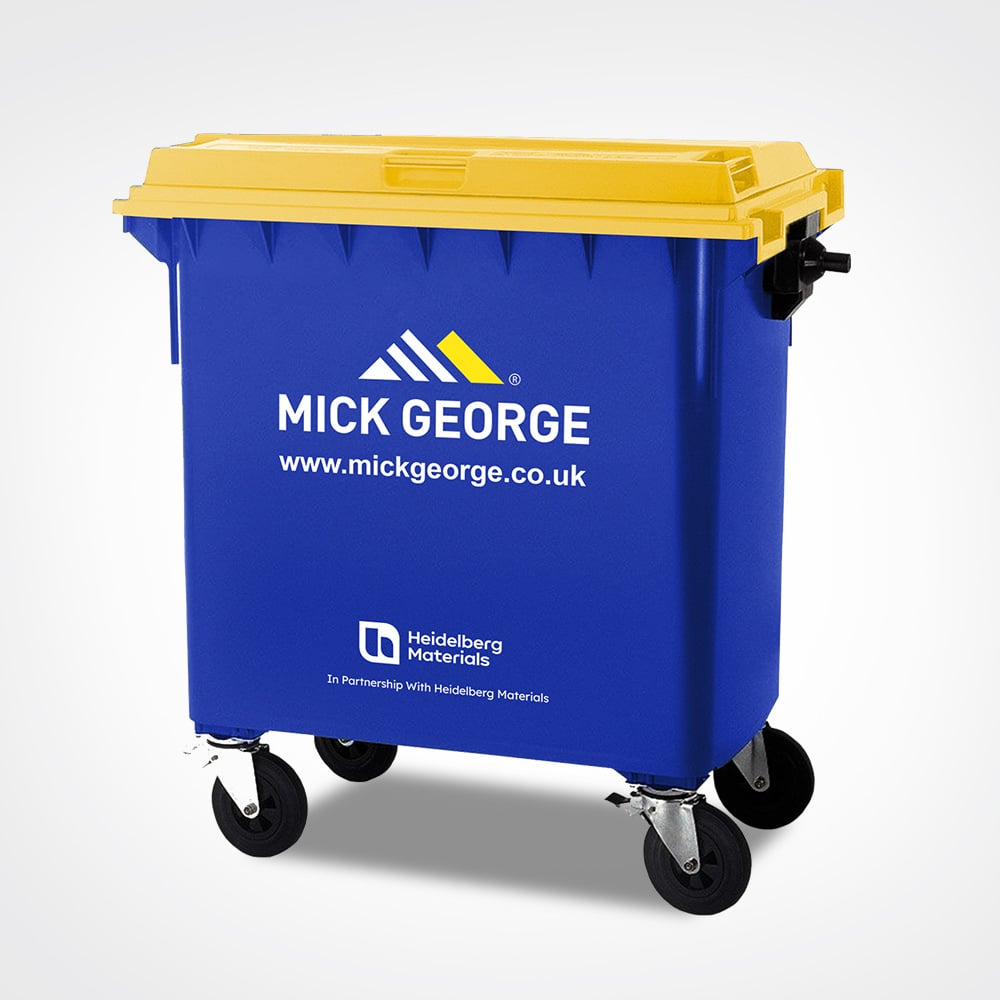
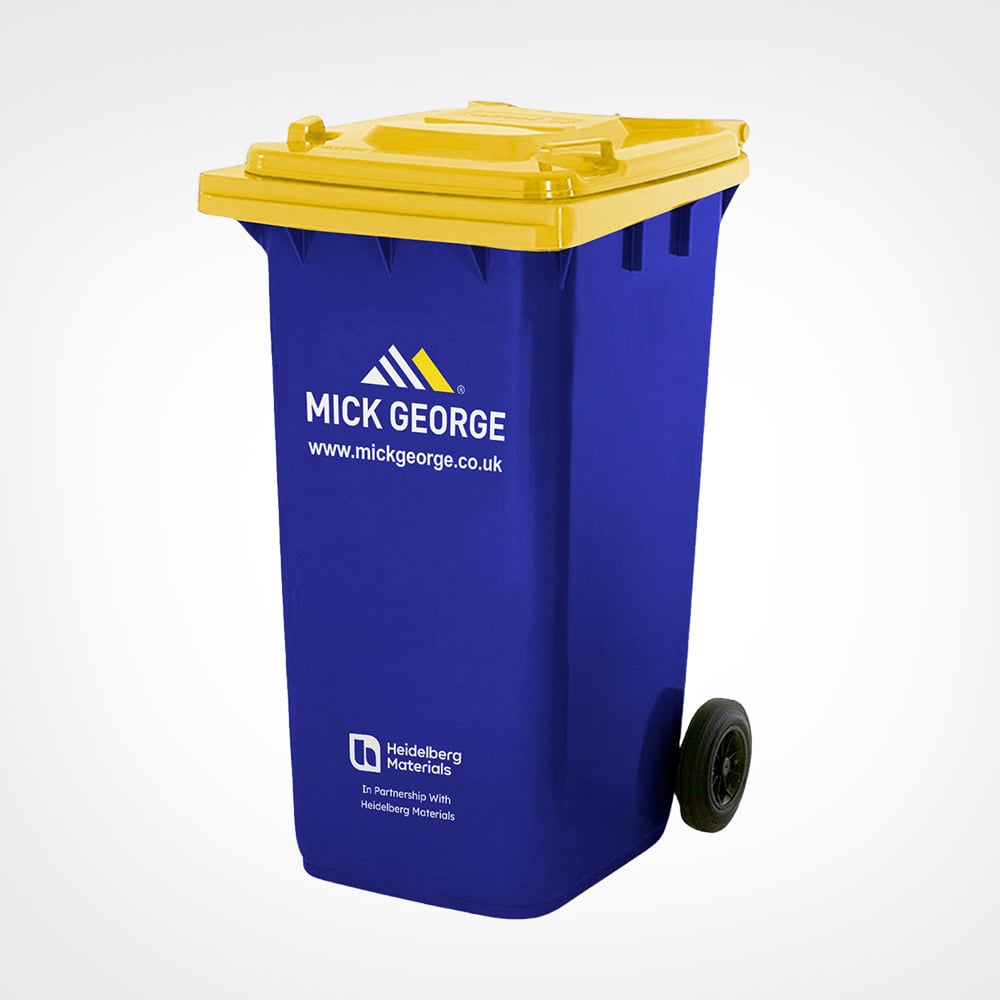
Why Brewery and Distillery Waste Management Matters
Brewing and distilling naturally produce large volumes of by-products, including spent grain, yeast, pot ale, and wastewater, all of which require specialist handling. Every operator has a legal duty of care to manage waste safely and responsibly, ensuring it is collected, transported, and treated by licensed waste carriers.
Failure to do so can result in environmental harm, hygiene issues, and regulatory fines. With increasing focus on sustainability from both customers and investors, managing your waste efficiently also demonstrates your commitment to reducing environmental impact and achieving zero-waste-to-landfill targets.
Book Your Waste Collection Online


Brewery and Distillery Recycling & Recovery Options
Many waste products generated by breweries and distilleries can be reused or repurposed, reducing both environmental impact and disposal costs.
Common Recovery Methods:
- Animal Feed: Spent grain and food residues are often repurposed as livestock feed – a sustainable, circular solution.
- Composting: Organic waste like hops, yeast, and kieselguhr can be sent for industrial composting.
- Anaerobic Digestion: Converts organic waste into renewable biogas and fertiliser.
- Energy from Waste: Non-recyclables can be processed to generate electricity or heat.
- Fertiliser Production: Nutrient-rich residues like draff and pot ale can be transformed into soil enhancers.
By partnering with Mick George, breweries and distilleries can make significant strides toward reducing their carbon footprint.
Brewery & Distillery Waste We Manage
Our commercial waste services cover every aspect of production waste from brewing, fermentation, and distilling, through packaging and logistics.
Organic & Liquid Waste:
- Spent grain, malt, draff, trub, and yeast
- Waste fruit, potatoes, apples, and botanicals
- Pot ale and spent lees (distillation residues)
- Wastewater and cleaning effluent
Packaging & Material Waste:
- Glass waste: damaged bottles and jars
- Cardboard & paper: packaging and boxes from raw materials
- Plastic & metal: caps, seals, and mixed recyclables
- Wood waste: pallets and crates
General & Sanitary Waste:
- Office and bar waste from on-site facilities
- Sanitary bins for all staff and visitor washrooms
- Non-recyclable packaging and residual waste
Each waste stream is assessed for recycling or recovery potential, ensuring maximum resource efficiency.
See Our Commercial Waste Service


Why Choose Mick George?
- Local Waste Management expertise.
- Licensed waste carriers with years of agricultural experience.
- Free bin and container supply with flexible collection schedules.
- Competitive pricing tailored to your waste volumes.
- A commitment to sustainability and regulatory compliance.
We offer flexible commercial waste collection and recycling designed for breweries, distilleries, and cideries of all sizes, including nano-breweries, micro-distilleries, brewpubs, and large-scale manufacturers.





Safe Alcohol Waste Disposal
Any alcohol waste above 24% ABV may be classed as hazardous due to its flammability. This includes surplus spirits, spoiled product, or by-products from cleaning and distillation. Such waste must be stored securely (e.g., in IBC containers or drums) and removed by licensed hazardous waste carriers.
We manage this entire process from collection to certified disposal, ensuring full compliance with the Environmental Protection Act 1990 and Hazardous Waste Regulations.
Brewery & Distillery Waste FAQ’s
Absolutely. Glass, cardboard, and plastics from packaging can all be recycled through our dedicated commercial recycling services
Book Waste Collection OnlineRecycling reduces landfill waste, conserves natural resources, and helps lower greenhouse gas emissions. Organic materials can even be used to generate renewable energy.
Book Waste Collection OnlineBy conducting regular waste audits, segregating recyclables, optimising production processes, and partnering with a professional waste management provider.
Book Waste Collection OnlineDistilleries often produce higher volumes of liquid residues (like pot ale and spent lees) and alcohol-rich by-products, which may be classified as hazardous waste. Breweries produce more solid organic waste like draff and trub.
Book Waste Collection OnlineNeil Johnson - Technical and Waste Director

Neil Johnson - Technical and Waste Director
Neil Johnson, a qualified Chemist, heads up the companies waste handling business. With over 25 years’ experience within the Waste Industry, Neil is an expert in contaminated land and hazardous waste streams. Neil has played a pivotal role in securing several major waste, RDF and biomass contracts and has permitted over 40 Mick George Group waste facilities for use in the company’s ever expanding waste business.
Tel: 01480 499 165 Email: mgsales@mickgeorge.co.uk

Go Green
Waste Management
We have always received a reliable and professional Waste Management service. They help to provide modern, forward-thinking and sustainable Waste Management processes which are vital in our constantly evolving industry. We would highly recommend the Mick George Group to anyone requiring a fully compliant Waste Management service.
Fletchers Waste Management
Waste Management
We have worked with the Mick George Group on a number or projects and always been offered excellent service and competitive pricing. Their customer service team are always on hand to help with any issues and are extremely friendly and easy to deal with. Finally, their state-of-the-art facilities situated throughout the UK mean that all your waste is dealt with in a compliant and ‘eco-friendly’ manner.

Morgan Sindall
Waste Management
We find the Mick George Group very easy to deal with, their customer service is always great and their quick turnaround times on exchanges, keeps our sites running smoothly. We wouldn’t hesitate to recommend them.
Latest Waste Industry News
-

New Commercial Waste Bin Collection Service
The Mick George Commercial Waste Bin Collection service is now open for customer onboarding, with collections scheduled to commence from January 2026.
-

15.3% Decrease in Residual Landfill Waste
Residual waste sent to landfill decreased by 15.3% between 2019 and 2023, according to recent reports.
-

Landfill Tax Reform
The British Aggregates Association (BAA) is alerting members and stakeholders to a consultation recently launched by the Government regarding reforms to Landfill Tax.



Get the latest news & offers