The Ultimate Asphalt Guide
Widely recognised as the main material component for road construction, asphalt can be used for a variety of applications due to its durability, sustainability and flexibility. Our guide reveals all you need to know about this popular product.


What is Asphalt?
Asphalt is a versatile composite material that is used worldwide within construction.
Predominantly black in colour, although other colour variations do exist, asphalt is manufactured in a plant before transforming into a hard surface when it cools to an ambient temperature.
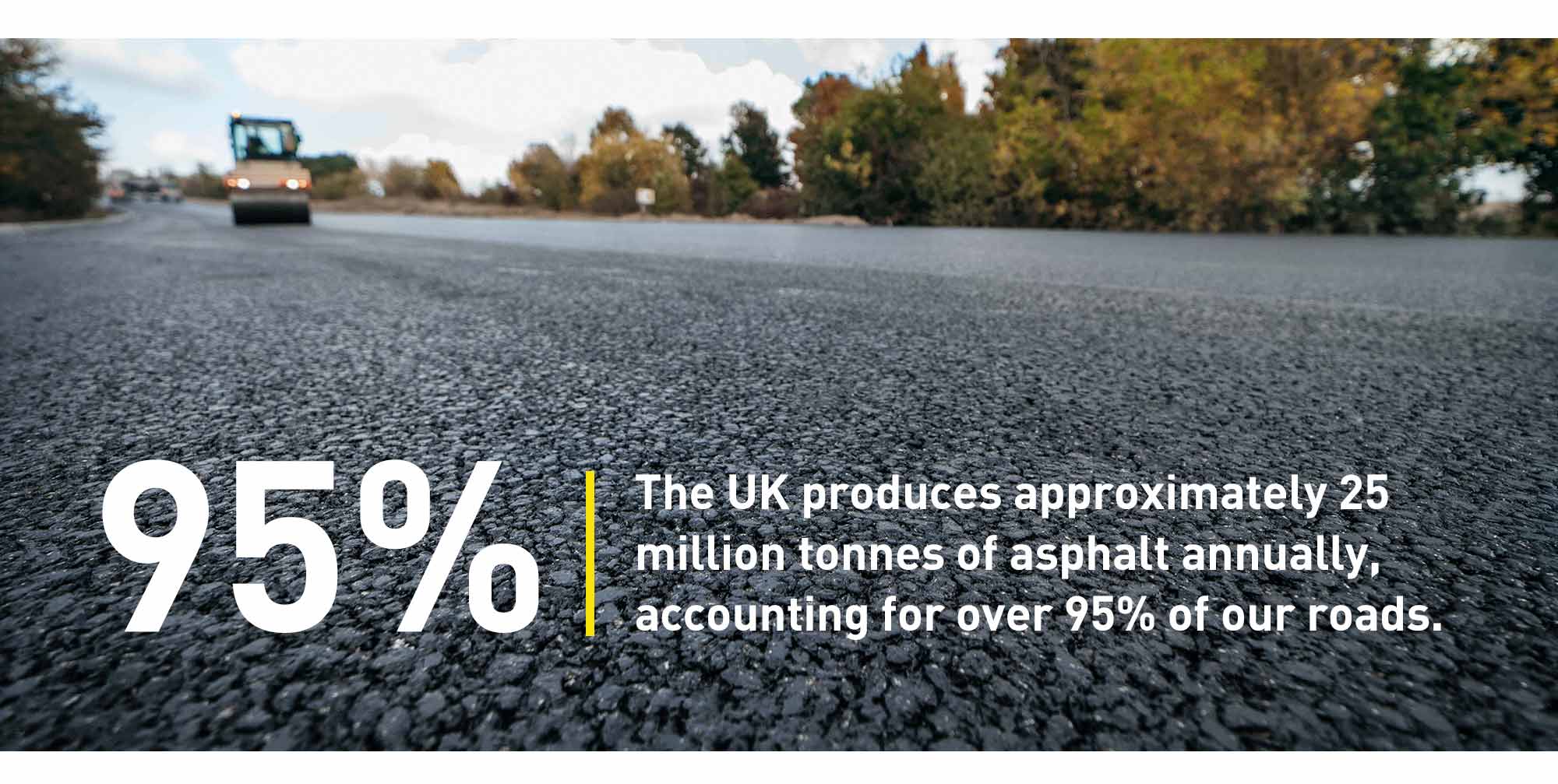
The UK produces approximately 25 million tonnes of asphalt annually, accounting for over 95% of our roads.
What is Asphalt used for?
The primary use for asphalt is the construction of roads and highways, including bus and cycle lanes, airport runways and taxiways, footpaths and pavements.
The versatility of asphalt means it is also used for car parks, playgrounds, driveways, construction and agricultural flooring, sports surfaces such as running tracks or tennis courts, and motor racing circuits.
Types of Asphalt
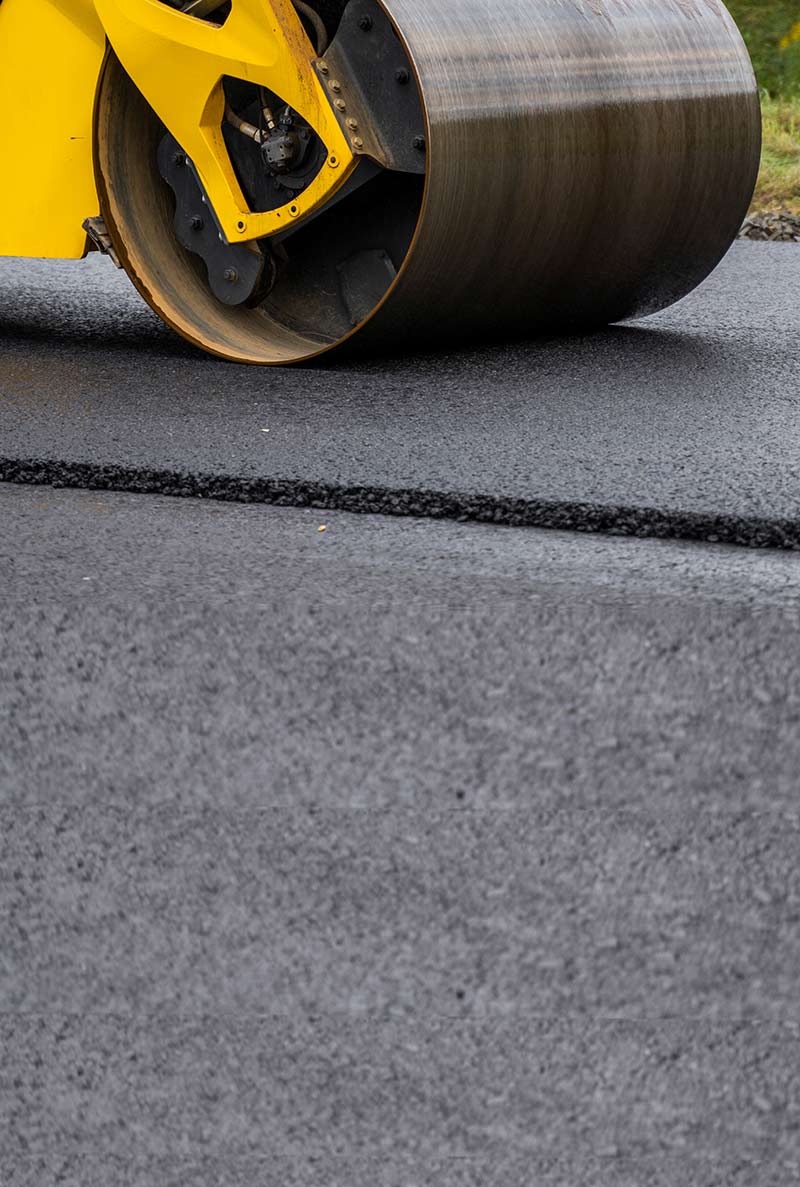
Asphalt Concretes (ACs) – Aggregate particles are continuously graded to form an interlocking structure bound together with bitumen.
Hot Rolled Asphalts (HRAs) – A dense, gap-graded bituminous mixture in which the mortar of fine aggregate, filler and high viscosity binder are major contributors to the final performance of the laid material.
Stone Mastic Asphalts (SMAs) – Gap-graded asphalt mixture, composed of a blend of single size coarse crushed aggregate forming a stone skeleton bound with high contents of bitumen.

Asphalt FAQs
Asphalt is a composite material which is predominantly made up of aggregates and bitumen.
The aggregates comprise crushed stone, sand and gravel that is bound together with bitumen at high temperatures to form asphalt.
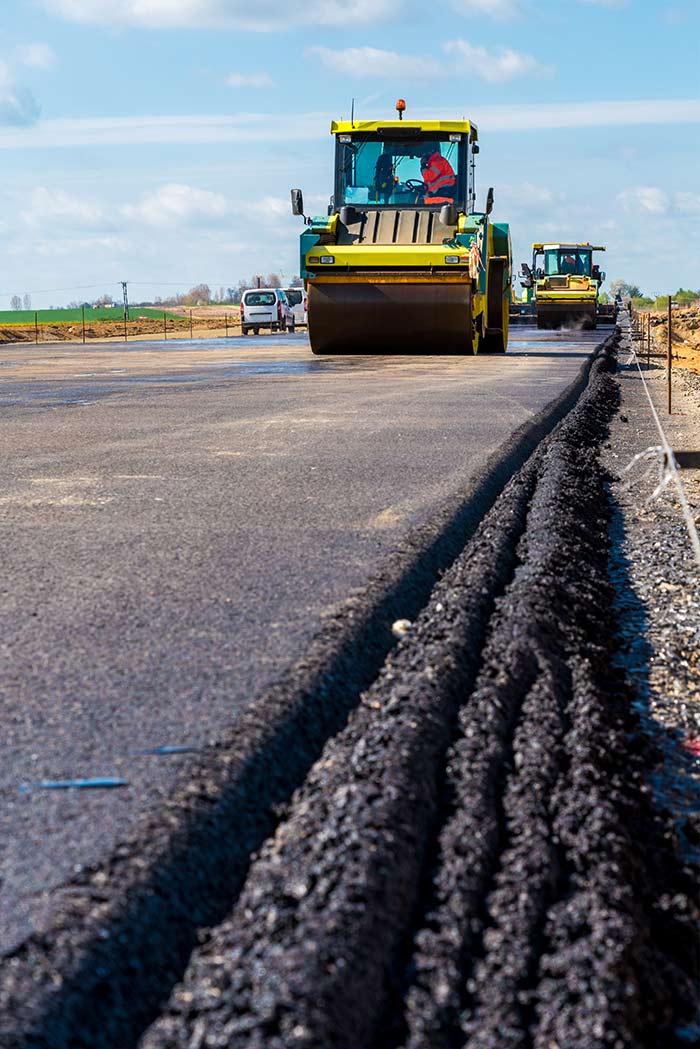
There are up to three layers of asphalt in the typical construction of a pavement. The lower layer is the base which sits on top of a sub-base and provides the main load-bearing for the road.
The layer above is binder course, approximately 50-90mm thick, which is a load bearing layer designed to distribute the load from the surfacing into the base course thus avoiding deformation. It is also used as a levelling course.
The uppermost layer is the surface course, which is approximately 25-50mm thick and provides an even, skid-resistant and waterproof surface.
Typically, the aggregate size decreases as you move up through the construction from the base to the surface course, whilst the bitumen content increases.
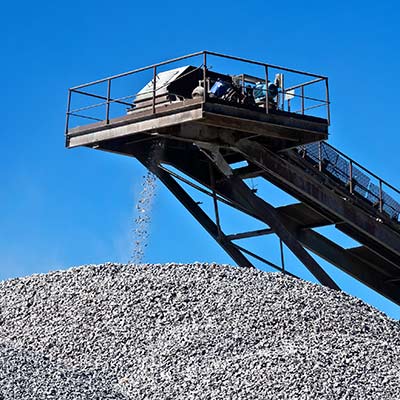
As we collectively move towards Net Zero, the production of asphalt has evolved to adopt greener techniques for production.
Asphalt is one of the most sustainable construction materials, as we can use construction waste and recycled asphalt planing (known as RAP – whereby the recycled road surface is put back into the production process) as replacement aggregates.
This is effectively put into practice throughout the road construction industry. We also optimise the use of RAP in new cold asphalt innovations.
We can also adapt the manufacturing method to reduce the carbon footprint of the product, and therefore the entire project. There are three key production methods:
Hot Mix Asphalt (HMA)
HMA is traditionally made at a high temperature ranging between 140-190⁰C.
Warm Mix Asphalt (WMA)
Mixed at temperatures 20° to 40°C lower than HMA, Warm Mix Asphalt is the greener choice as it requires significantly less energy during manufacturing and therefore releases less emissions.
WMA is also considered safer for construction crews as the temperature of the material is lower and it thereby emits minimal odour and steam.
All of our WMA are tested to meet industry specifications and are suitable for the same applications as HMAs, without compromising performance.
Cold Mix Asphalt (CMA)
Most useful for repairs and maintenance of small cracks, potholes or patching of existing pavements, Cold Mix Asphalt is produced without any heat and, instead, water is used for emulsification.
To go one step further, we’ve also developed other ways to reduce embodied carbon during the manufacturing process and have launched our SuperLow-Carbon range, which includes a biogenic substitution within the bitumen that effectively locks carbon within the asphalt.
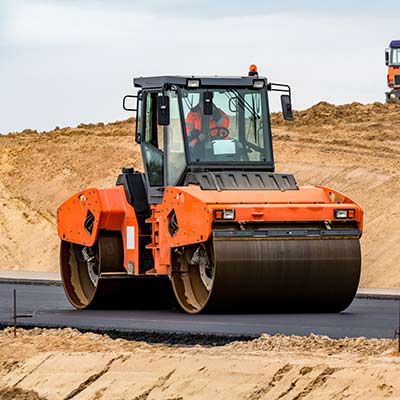
Essentially asphalt and tarmac are the same product.
Back in time when tar was produced as a bi-product of coke production, tar was the primary binding agent for asphalt mixtures.
Since the association of tar as a potential carcinogenic substance, bitumen derived from oil distillation has become the default binder type and they have very similar appearance and properties.
Since the late 1980s and early 1990s, tar has ceased to be used in the production of asphalt, as it is considered hazardous.
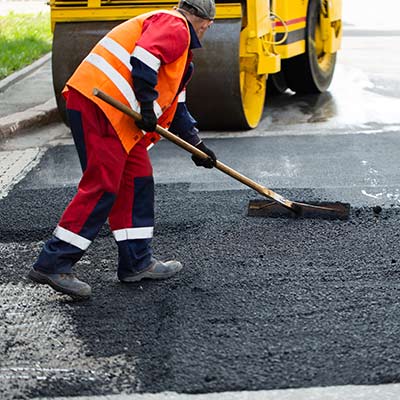
Asphalt is cost-effective, low maintenance and extremely durable, making it an ideal road surfacing material. It is a popular choice because:
- It is fast to construct
- It can withstand significant weight and temperature fluctuations
- It is easy to maintain and repair
- It produces a smooth surface for maximum tire grip
- It reduces noise pollution
- It rapidly disperses surface water, reducing spray, the risk of aquaplaning and improving visibility for drivers
- It increases the visibility of road markings

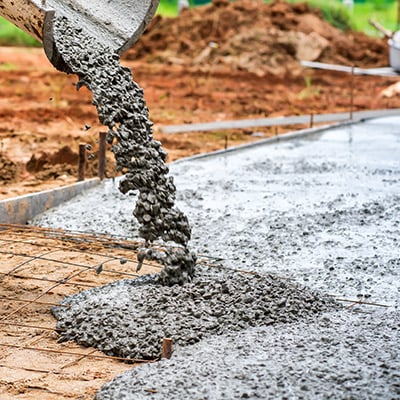
Concrete is a stiffer mix with less flexibility, but it is more prone to cracking than asphalt.
Asphalt is also more flexible, skid resistant, quiet, cost-effective and quicker to install, but all depends on the intended application.
Yes, coloured asphalt is used frequently, from creating playground surfaces for children, demarcation for cycleways, bus lanes and residential roads, to places requiring additional safety, i.e. nearby to schools.


Hawkes Group
Concrete Testimonial
Hawkes and Mick George have built a great working relationship, with the company always doing their best to fulfil our order requirements. Their huge fleet of vehicles can handle any sized project. We're hoping to work together for many more years to come!

JJ Mac Ltd
Concrete Testimonial
Always a pleasure dealing with the Mick George Group. Always go the extra mile to make sure we get the service we order on time and at the best rates. All our managers and site support staff really appreciate the prompt and efficient service we get from Mick George Concrete.

L Petriello Contractors
Concrete Testimonial
The Mick George Group have supplied our Aggregates, Concrete and Skip hire for many years. There service is fantastic and has always been without problem. We Would definitely recommend their services to others.
Latest Concrete Industry News
-

Cement industry reports 25% CO2 reduction
A new global report finds that the cement industry has reduced the CO2 intensity of cementitious products by 25% since 1990.
-

Demand for circularity in construction on the rise
A recent report asked 500 UK decision makers from the UK construction industry to share their views regarding sustainable material solutions.
-

Street Works UK: Material Classification Protocol Changes
A material classification protocol is a framework for identifying and sorting materials, such as excavated waste, to determine if they are hazardous or non-hazardous.

Get the latest news & offers