
Asbestos sheets are construction materials that were typically used in the formation of roofs, sidings, partitioning, buildings and interiors
Asbestos Sheets
Asbestos sheets are construction materials that were typically used in the formation of roofs, sidings, partitioning, buildings and interiors, before the materials dangers were fully recognised.


Asbestos Sheets
Asbestos sheets are construction materials that were typically used in the formation of roofs, sidings, partitioning, buildings and interiors, before the materials dangers were fully recognised. Fibrous cement created an easy and affordable alternative to corrugated metal panels, which offer little insulation and inevitably rust over time.
Predominantly produced by mixing chrysotile Asbestos fibres with cement to improve weather resistance and corrosion, the application would then be moulded into a flat Asbestos sheet or corrugated Asbestos sheet design.
This was just one of a number of Asbestos cement products used in the construction industry historically and may still be present in some homes and commercial units today.
Are Asbestos Sheets dangerous?
Asbestos corrugated sheets are classified to be a Category II, nonfriable material, which means it is dangerous and the material should be abated prior to demolition or renovation. Although designated nonfriable, the sheets can become friable with age and damage.
If the material is not damaged, it may be removed by driving the nails through the sheet or cutting off the nail or screw heads. Damaged Asbestos sheets, however, are subject to much stricter regulations.
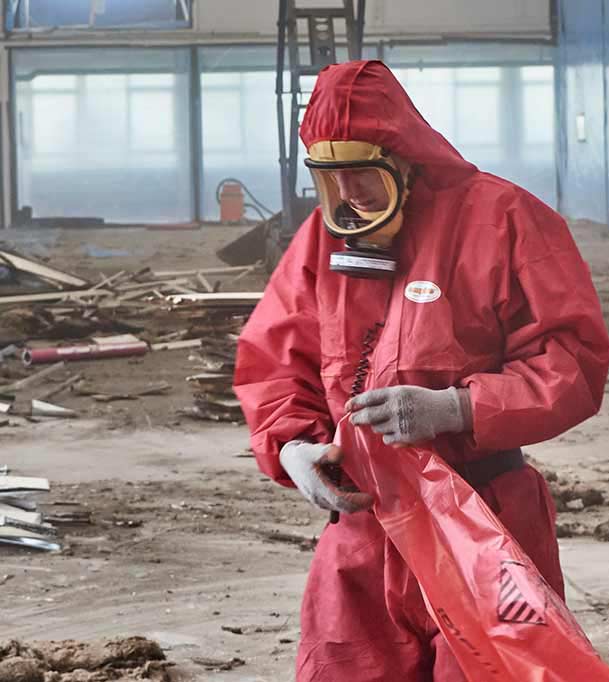
Each piece of corrugated sheet or sheathing should be removed whole and kept wet to prevent asbestos dust from getting into the air, and all materials should be disposed of by a licensed disposal service.
Find out more about Asbestos Removal
Types of Asbestos Cement Sheets
Fibrous cement created an easy and cheap alternative to corrugated metal panels, which offer little for insulation and will rust over time. Corrugated Asbestos sheets were used in the roofing and siding of all types of buildings.
Also referred to as Asbestos cement sheathing, “Asbestos lumber” was not made out of wood at all. It was marketed as a superior alternative to wood. It was fireproof and electrically nonconductive, yet still soft enough to be worked like natural lumber. Asbestos lumber was used as a base for roofing and siding materials such as shingles and false brick facing.
Also referred to as cement wallboard and Asbestos millboard, Asbestos cement boards were produced in sheets. They were used as a fireproofing material around boilers, heaters and wood stoves. Asbestos board was also used for automobile hood liners and as gaskets and washers in various electrical applications.
Fibrous cement is much more water-resistant than drywall, so flat sheets of Asbestos cement found their way into the interiors of homes and businesses as walls and underlay for flooring.
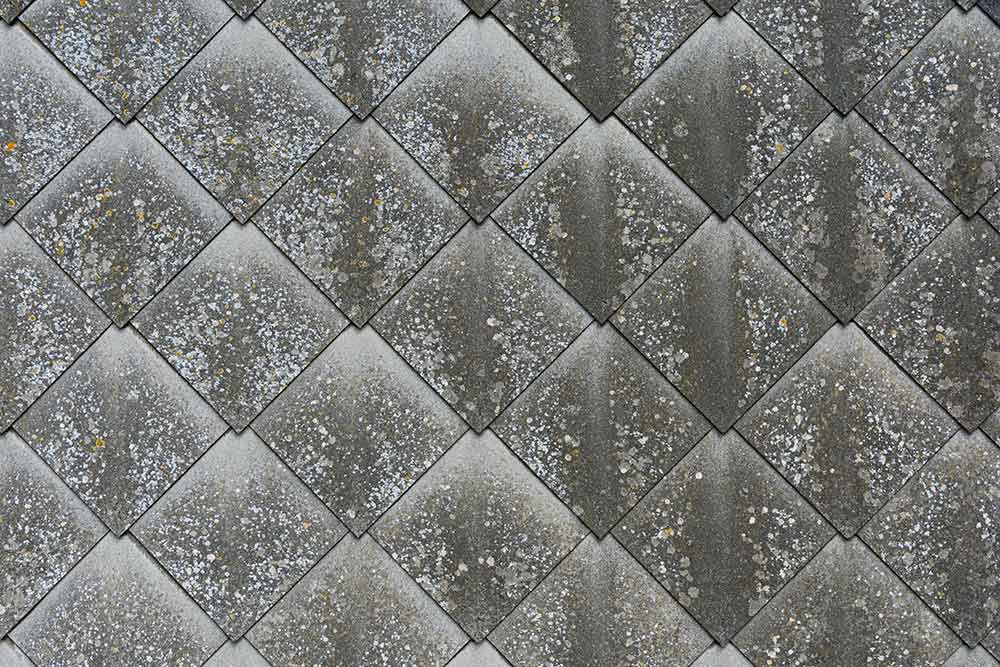

Asbestos sheets are construction materials that were typically used in the formation of roofs, sidings, partitioning, buildings and interiors
Contact the Experts
From site inspection and surveys to removal and disposal, Mick George Environmental is fully licenced by the Health and Safety Executive (HSE) to test, manage and complete works for non-licensed, notifiable non-licensed and licensed asbestos and asbestos contaminated materials. We are also accredited members of ARCA – the Asbestos Removal Contractors Association.
With all services in-house, our highly skilled and experienced team can provide a ‘start to finish’ service, saving you time and money.
Got any questions? Head on over to our Asbestos FAQs and find your answer. If not then contact our expert team using the contact form.


Fusion Project Managment
Waste Management
On behalf of the College’s Head of Estates and I, we would like to state how extremely pleased we both are with how the Environmental works have been managed.

Peter Smith Associates
Waste Management
The efficient service and endeavour to go beyond the original scope of works has meant that the Environmental works have been conducted smoothly from start to finish. Thanks to all your team for their professionalism and friendliness.
Latest Environmental & Construction News
-

Mineral Products Leading Sustainable Growth
A recent industry wide report has found that on average, everyone in the UK relies on around 5.8 tonnes of mineral products each and every year.
-

Cement industry reports 25% CO2 reduction
A new global report finds that the cement industry has reduced the CO2 intensity of cementitious products by 25% since 1990.
-

Demand for circularity in construction on the rise
A recent report asked 500 UK decision makers from the UK construction industry to share their views regarding sustainable material solutions.

Get the latest news & offers