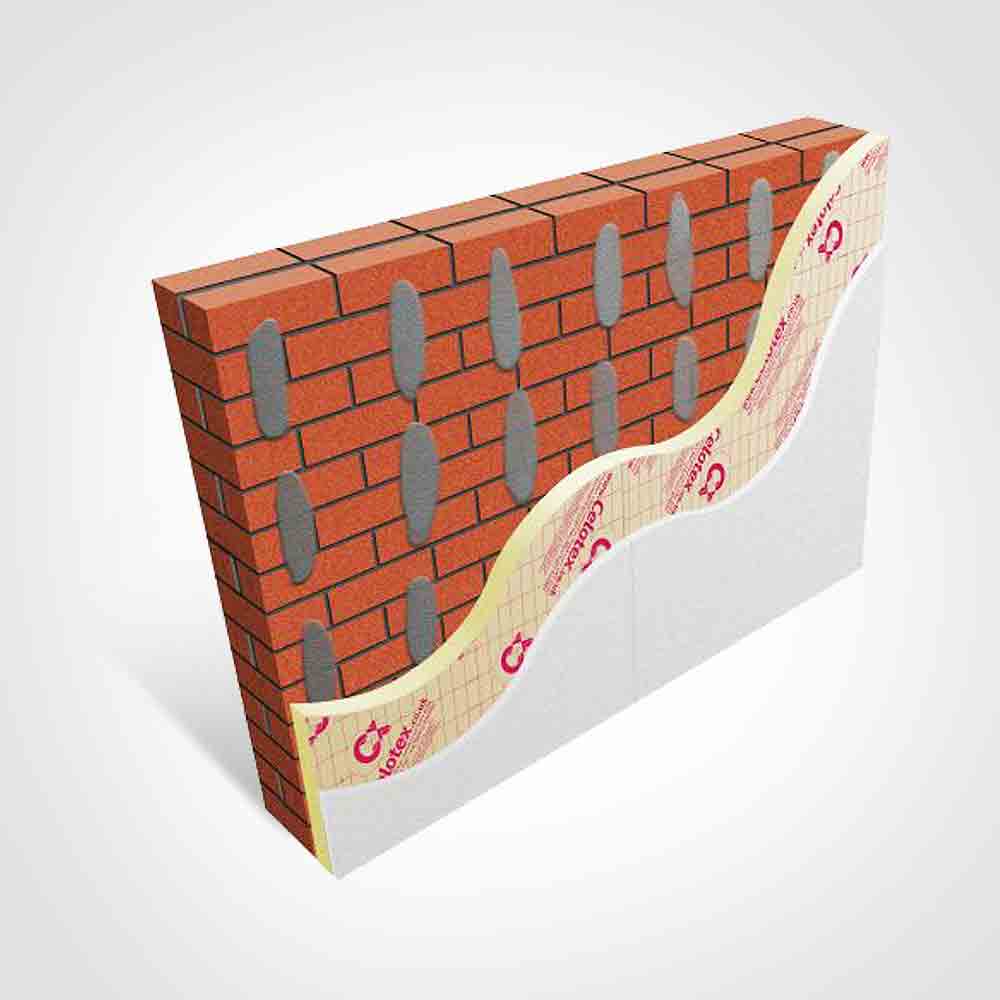
External wall insulations are a great way of reducing problems which are caused by natural occurrences such as wind and low temperatures.
Your complete guide to External Wall Insulation
External wall insulations are a great way of reducing problems which are caused by natural occurrences such as wind and low temperatures.
What is External Wall Insulation?
External Wall Insulation is fixed to the exterior or interior of the walls of your home/building to prevent heat from escaping through your walls whilst keeping the cold out. Wall insulation is extremely popular for locations such as:
- Outbuildings and sheds – Whether you have a home office, home gym or home bar outside, your building will be much more attractive with external wall insulation keeping it warm!.
- Flat and apartment buildings – Because apartments tend to be a lot smaller than houses, they tend to be less energy-efficient, so having external wall insulation is a very popular solution.
- Farm Buildings – You’ll find most farm buildings already have external wall insulation to protect animals and machinery.
What are the advantages of External Wall Insulation?
If you are thinking about having external wall insulation, then you will not regret it. There are a host of benefits which include:
- Saving money on your bills
- Aesthetically pleasing
- Increased floor Space
- Reducing carbon footprint
- Minimising condensation

Types of External Wall Insulation Systems
There are many different types of External Insulations which will supply you with countless advantages to your existing building.
Wood fibre: Wood fibre is the way to go if your criteria for the best type of external wall insulation is sustainability, as well as thermal comfort. The only disadvantage for wood fibre is that it can be heavy to install, so make sure you have some muscle to help if you are going to use this.
Expanded polystyrene: By putting together expanded polystyrene tightly into boards, it becomes a very lightweight and effective way of having insulation.
Acrylic render: The more cost-effective alternative, acrylic provides the same flexibility and colour options, but doesn’t have the hydrophobic properties. It’s the most popular choice for most people but keep in mind it requires a little more upkeep than silicone-based renders.
Although having External Wall Insulation is great for most projects, the insulation can sometimes stick out on buildings such as terraced houses, so it may not be the ideal option in such cases.
The Mick George Group have an excellent range of building materials to go along with your wall insulation products so check them out today!