
Until the mid-1980s, Asbestos was commonly added to plaster. It was an inexpensive way to increase the plaster’s ability to insulate buildings and resist fire.
Asbestos In Plaster
Asbestos was previously used in plaster to help insulate buildings and increase fire resistance.


Asbestos in Plaster
Various forms of plaster have been around for thousands of years, used in building construction, artistry, and even medical applications. Plaster starts as a pasty substance that’s made from minerals and water and dries into a sturdy, solid form.
The three most common types of plaster today include:
- Cement
- Gypsum/Plaster of Paris
- Lime
Until the mid-1980s, Asbestos was commonly added to plaster. It was an inexpensive way to increase the plaster’s ability to insulate buildings and resist fire. Even after it was known to be a dangerous material, some Asbestos continued to contaminate various types of plaster. Asbestos in plaster is most often found in walls and ceilings built during the period when Asbestos was a popular material.
How do I know if I have Asbestos in plaster?
It can be hard to tell whether or not plaster contains Asbestos just by looking at it. If you suspect that your property may contain Asbestos in plaster walls or ceilings, it is strongly recommended that a professional opinion is sought, especially if the plaster is in poor condition.
Is Asbestos in Plaster dangerous?
Plaster that contains Asbestos that is safely intact is considered to be relatively safe as the Asbestos is bonded into the plaster and harmful fibres cannot escape. However, if the plaster has begun to deteriorate or is broken and crumbling, then it is potentially dangerous as small Asbestos fibres could be released. If renovation or building work is planned then you must also seek professional advice as construction work could disturb the Asbestos in plaster and render it harmful.
Find out more about Asbestos Removal
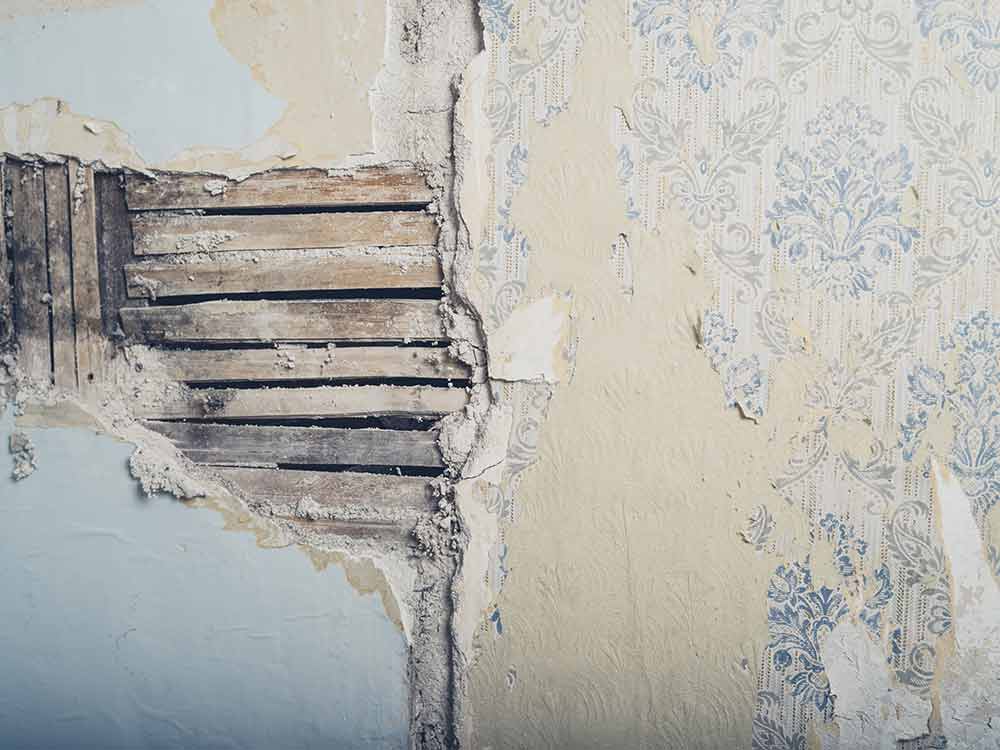
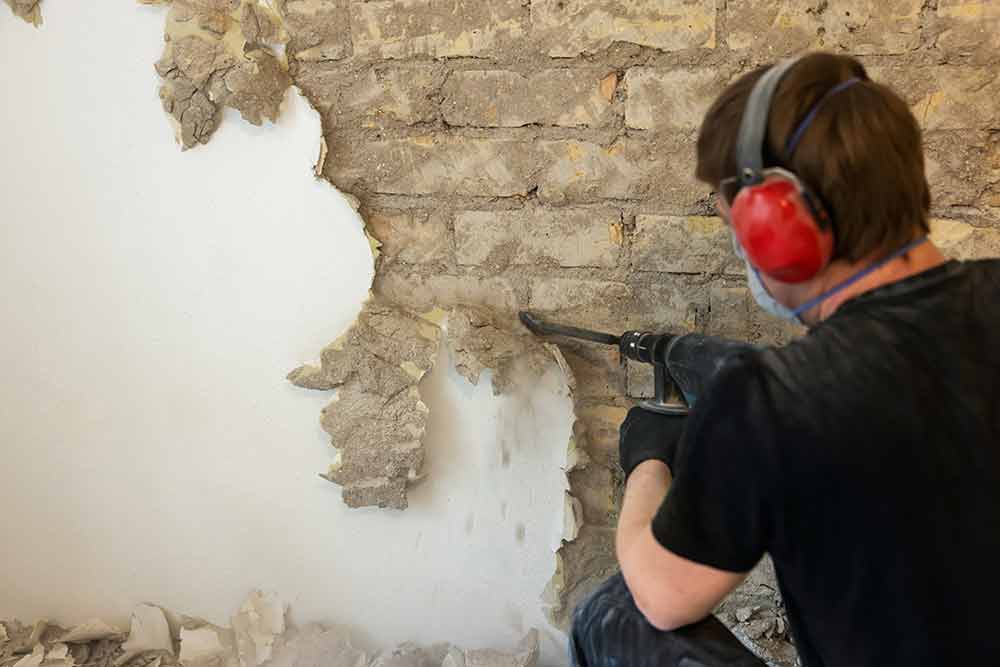
Until the mid-1980s, Asbestos was commonly added to plaster. It was an inexpensive way to increase the plaster’s ability to insulate buildings and resist fire.
Contact the Experts
It can be a worry to discover the presence of Asbestos in plaster in your property, but The Mick George Group can provide expert advice and professional services to safely locate, remove and dispose of any Asbestos to ensure that your property is safe for years to come.
From site inspection and surveys to removal and disposal, Mick George Environmental is fully licenced by the Health and Safety Executive (HSE) to test, manage and complete works for non-licensed, notifiable non-licensed and licensed Asbestos and Asbestos contaminated materials. We are also accredited members of ARCA – the Asbestos Removal Contractors Association.
Got any questions? Head on over to our Asbestos FAQs and find your answer. If not then contact our expert team using the contact form.


Fusion Project Managment
Waste Management
On behalf of the College’s Head of Estates and I, we would like to state how extremely pleased we both are with how the Environmental works have been managed.

Peter Smith Associates
Waste Management
The efficient service and endeavour to go beyond the original scope of works has meant that the Environmental works have been conducted smoothly from start to finish. Thanks to all your team for their professionalism and friendliness.
Latest Environmental & Construction News
-

Mineral Products Leading Sustainable Growth
A recent industry wide report has found that on average, everyone in the UK relies on around 5.8 tonnes of mineral products each and every year.
-

Cement industry reports 25% CO2 reduction
A new global report finds that the cement industry has reduced the CO2 intensity of cementitious products by 25% since 1990.
-

Demand for circularity in construction on the rise
A recent report asked 500 UK decision makers from the UK construction industry to share their views regarding sustainable material solutions.

Get the latest news & offers